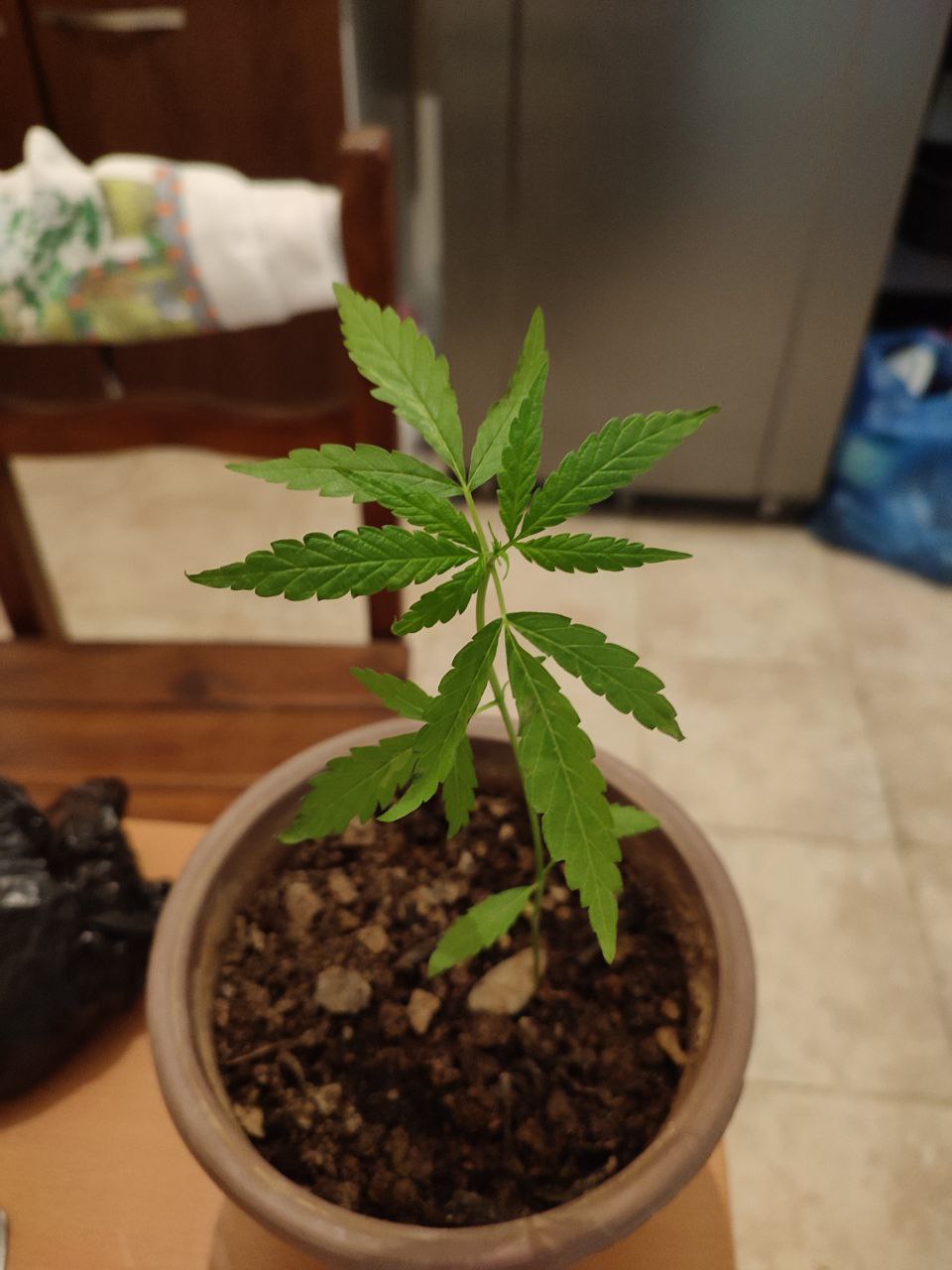
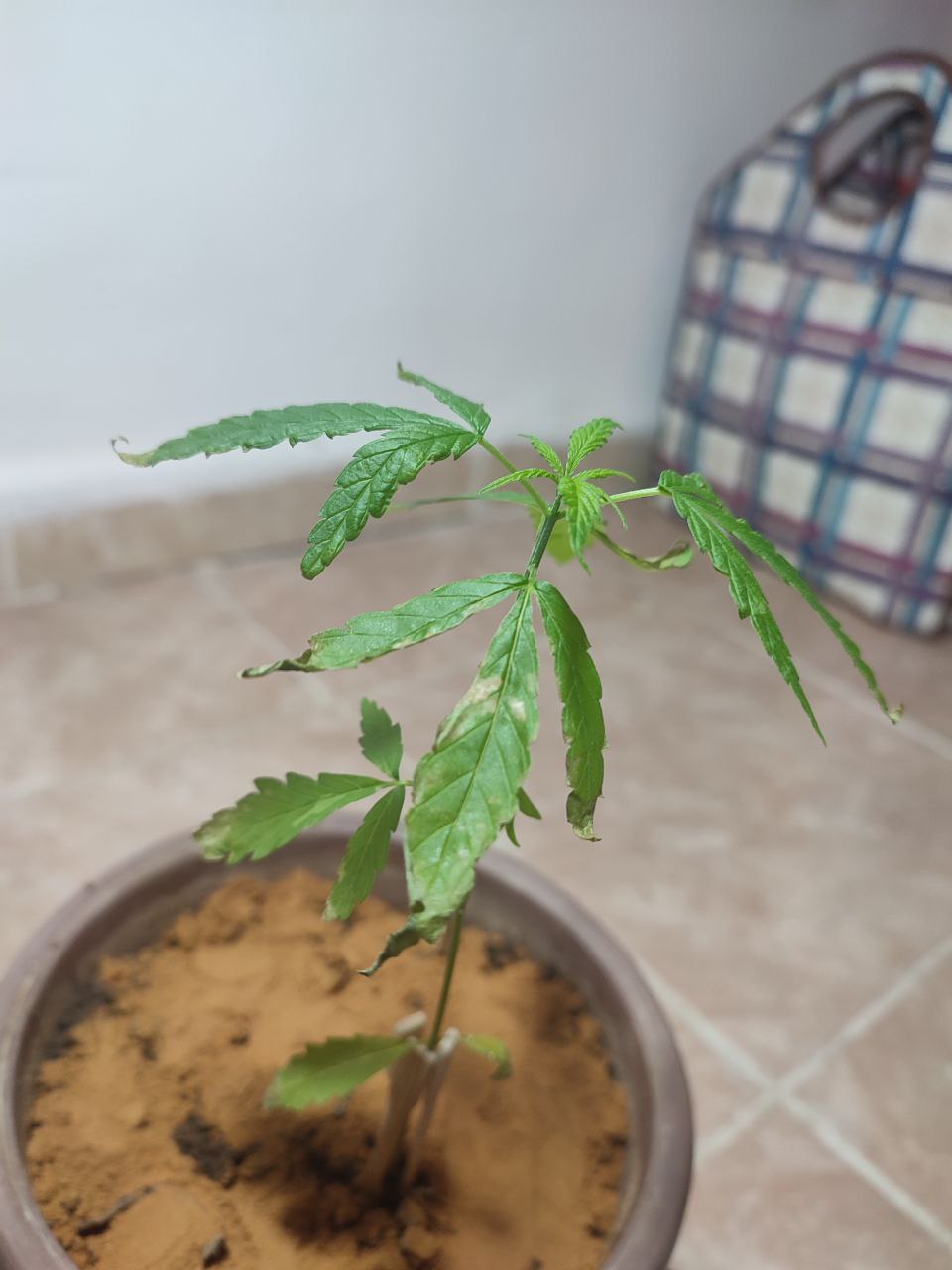
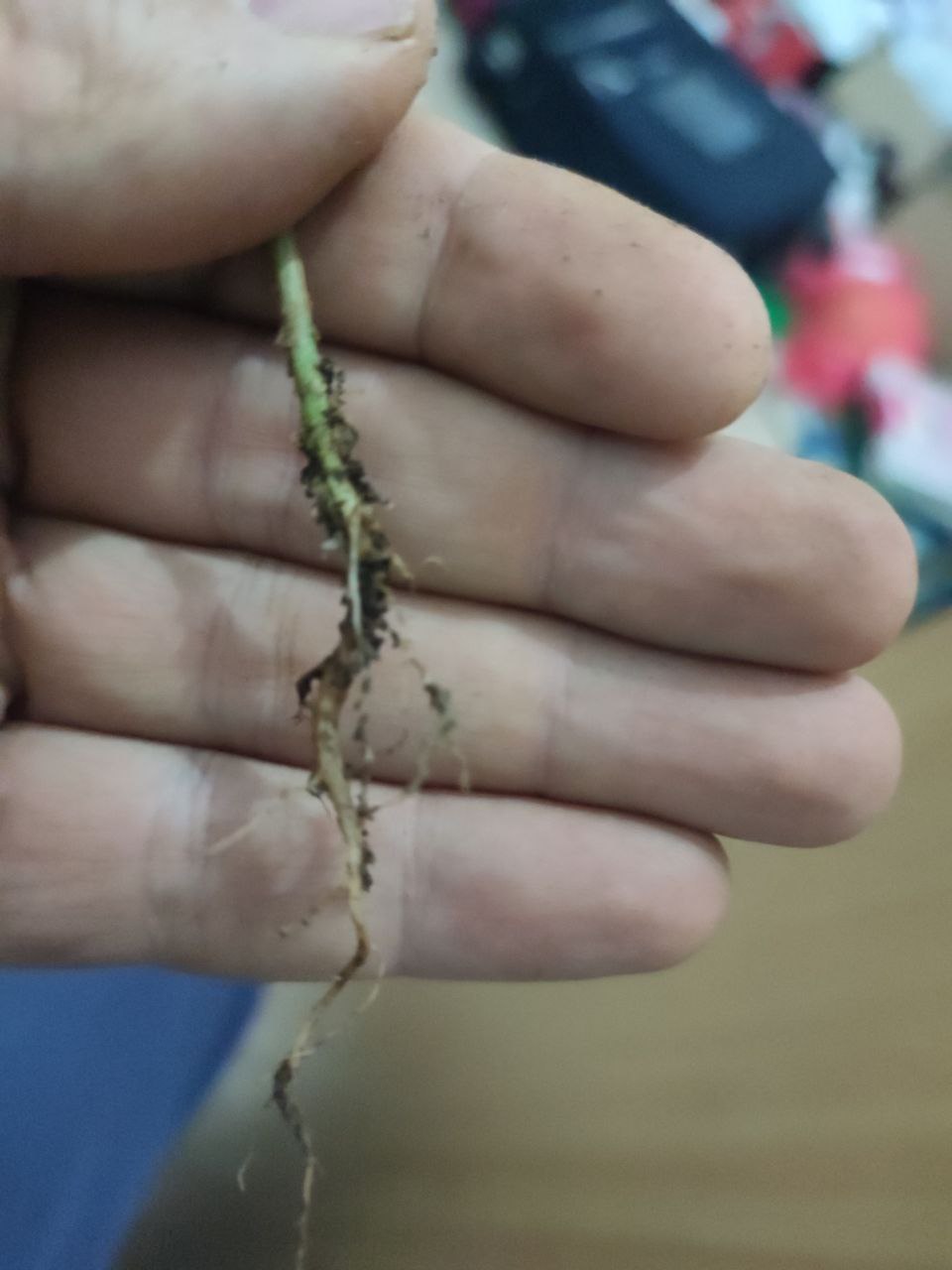
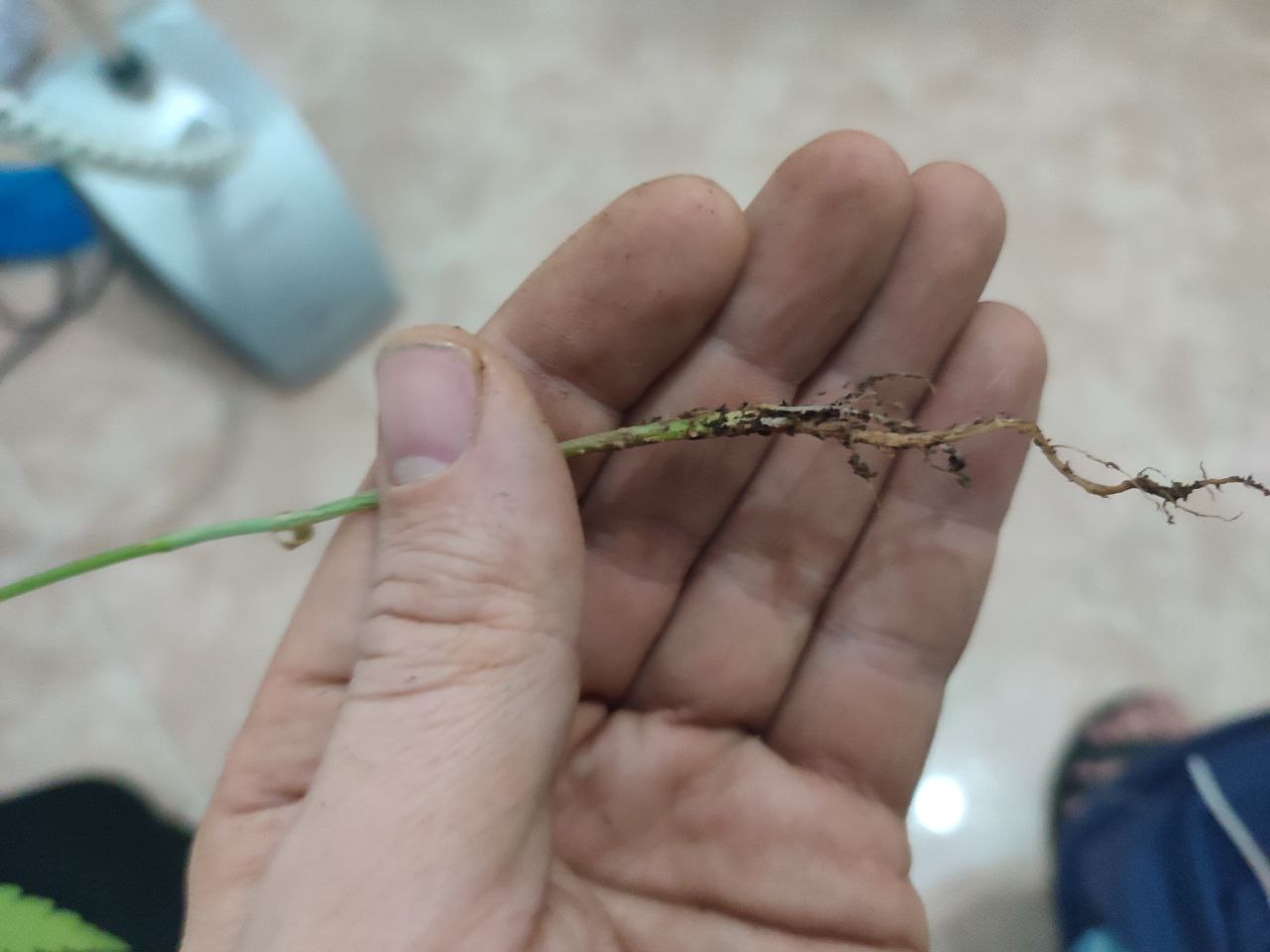
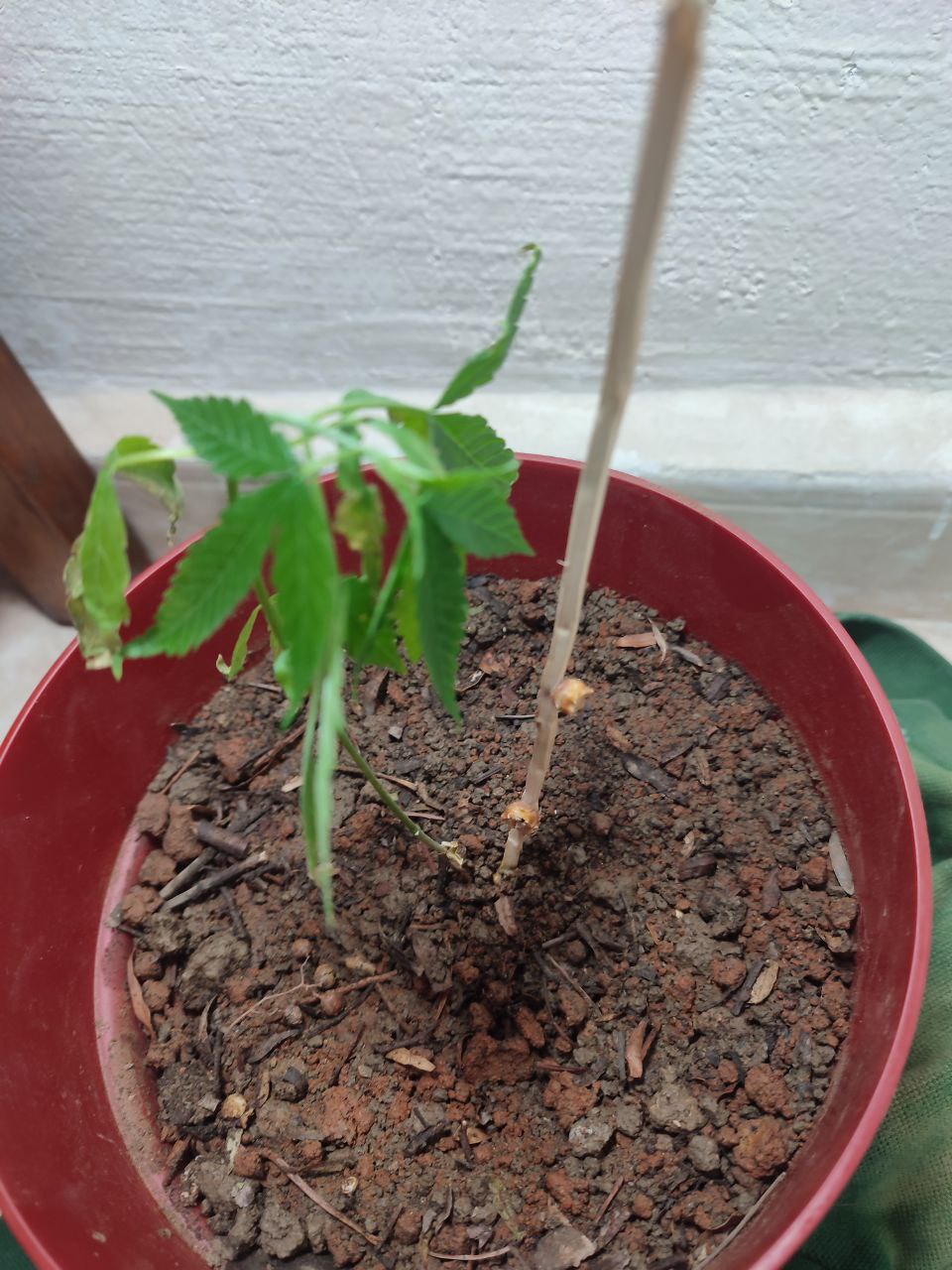
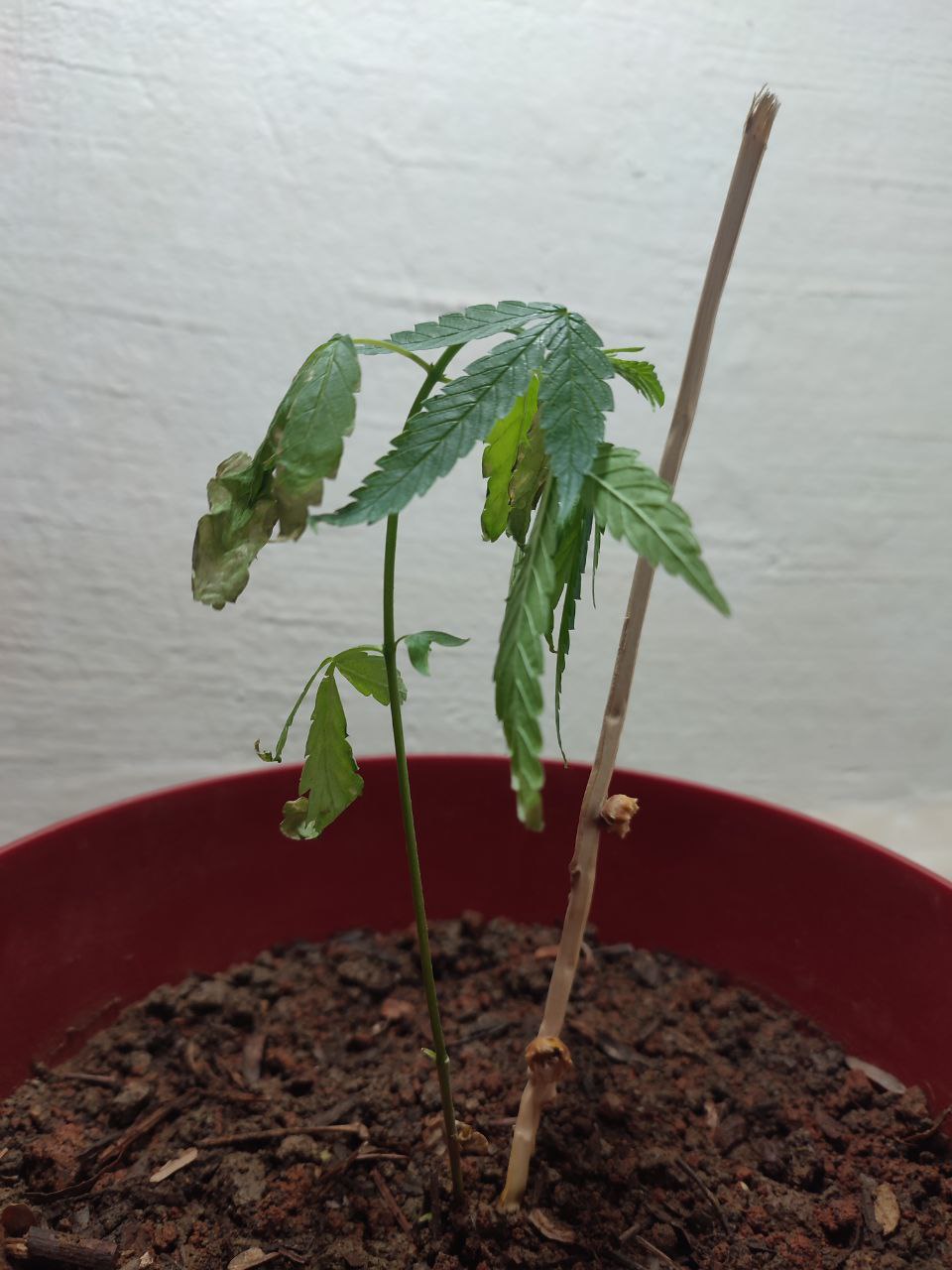
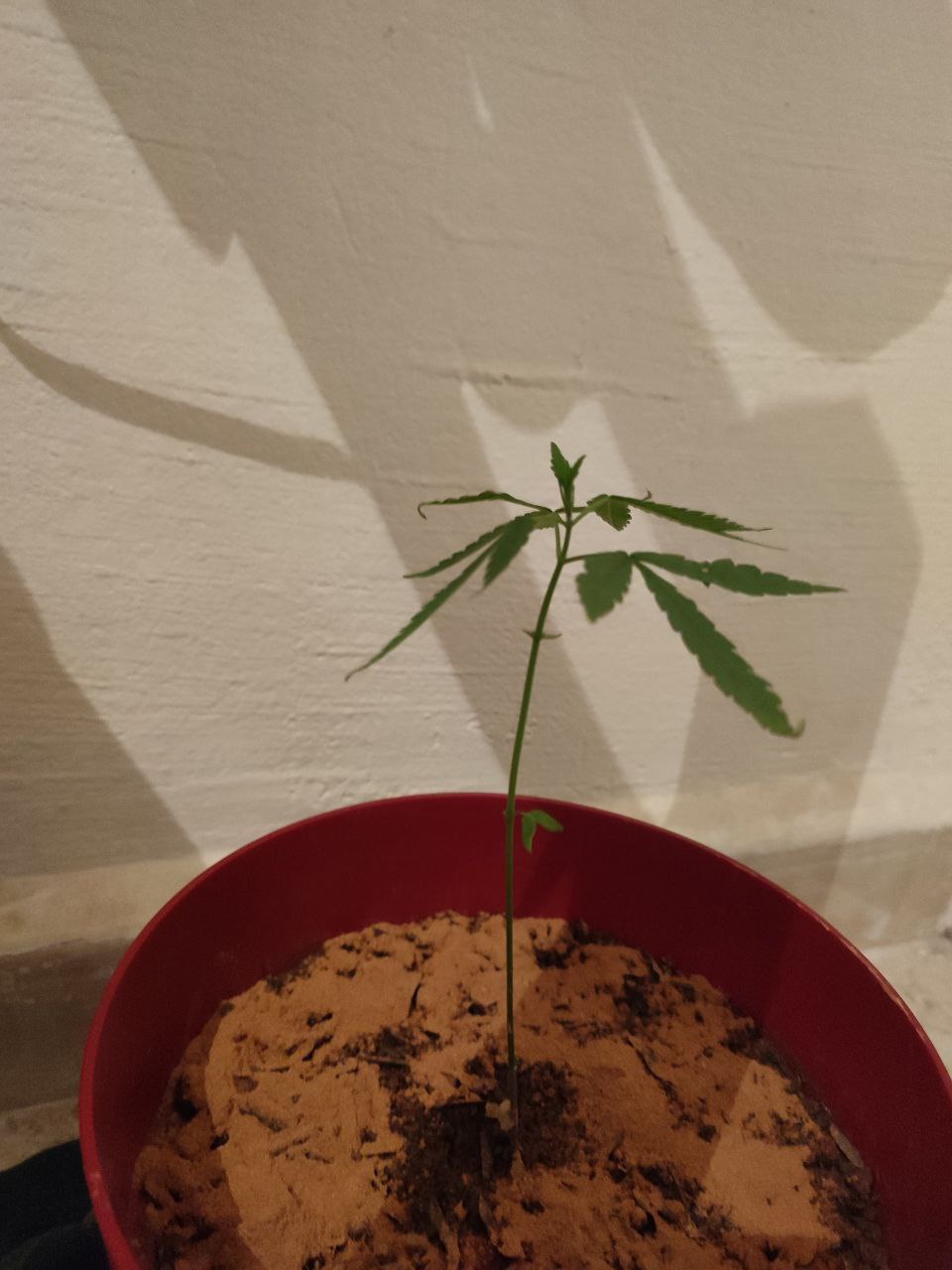
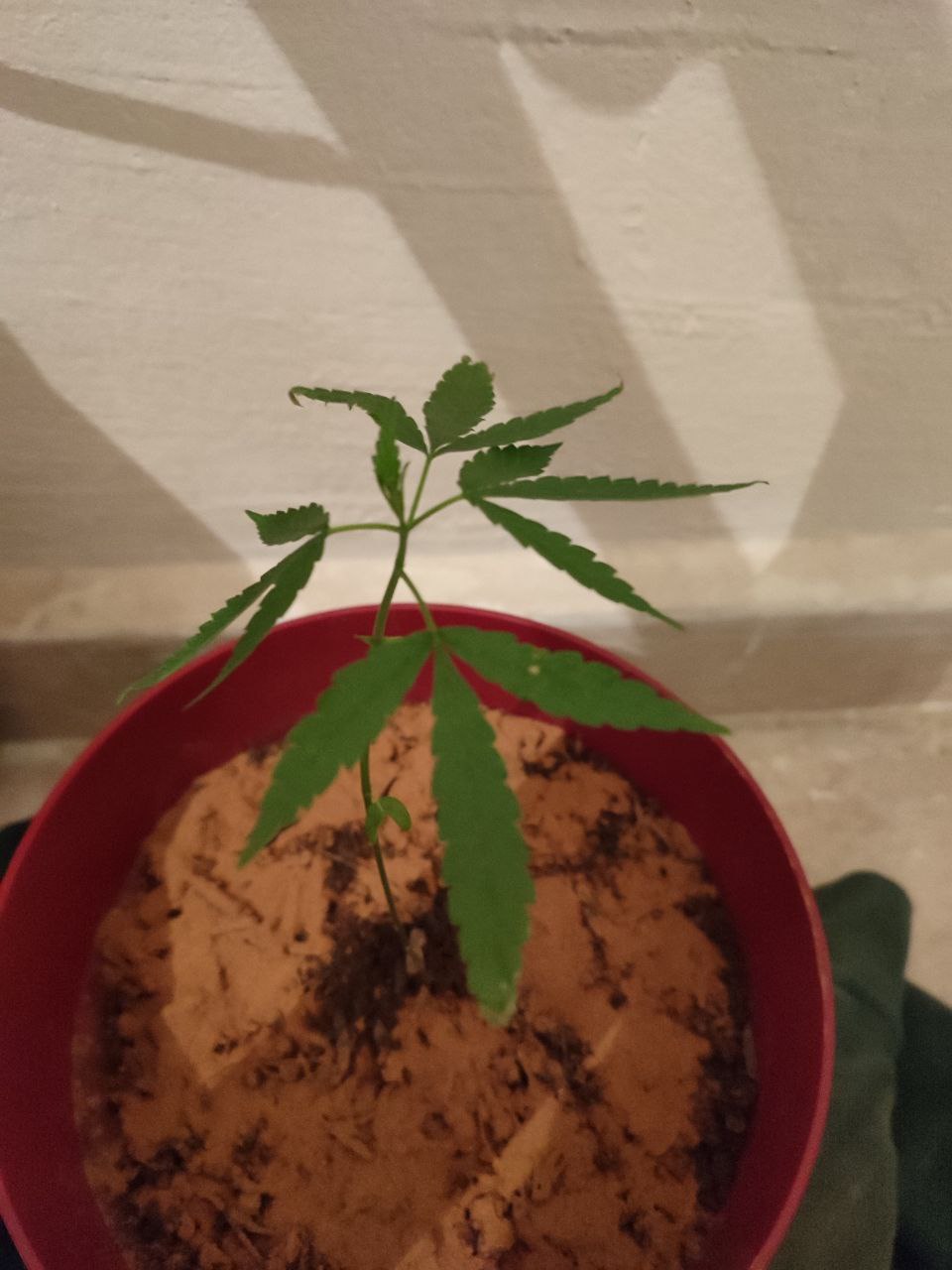
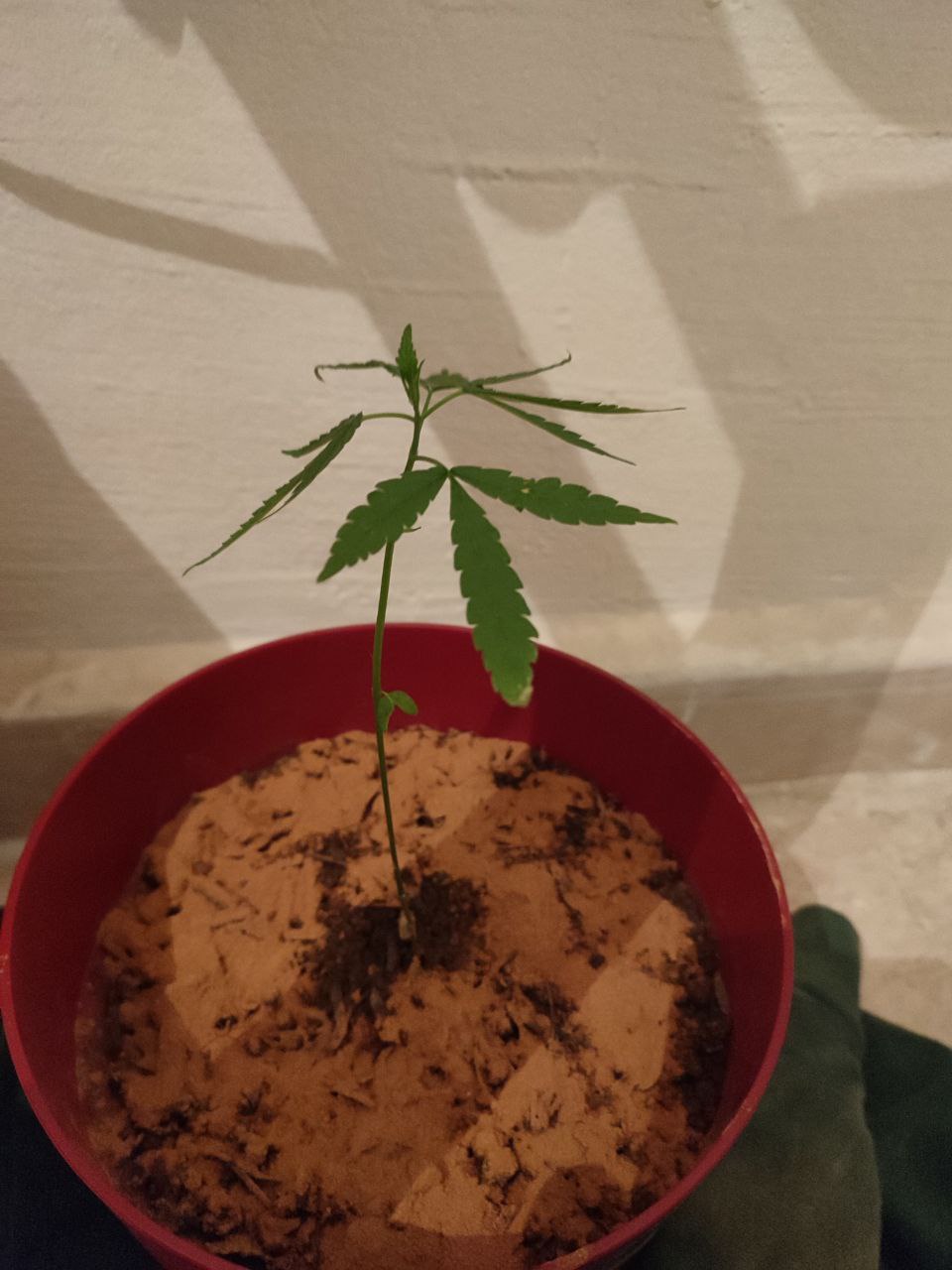
Hello partner how are you? Well, this depends on the size of the final pot where you plant it, also if you make a topping or LST, even if you make a Scrog outdoors with a mesh. Sativas are plants that reach up to 4m in height, but depending on the pruning and tying methods, their growth can be limited.
you’re welcome and good smoke and happy new year.
The art of the marijuana trellis
Regardless of how or where you grow marijuana, you may be able to increase your yield by using a trellis. If you want your grow to be a cannabis gold mine, you should know the art of trellis training.
Contents:
- What is a trellis?
- The origin of the trellis
- How to train marijuana using a trellis
- Upright trellis
- Horizontal lattice: scrog method
- How to make a trellis for marijuana outdoors
- Advantages of using a trellis for cannabis
- Outdoor marijuana trees
What is a trellis?
A trellis, also called a trellis or lattice, is a structure or mesh with a grid pattern. It can be placed horizontally or vertically to maximize the grow space available, as well as the amount of light that penetrates a marijuana grow. Whether indoors or outdoors , there is always room for a trellis. The idea is to bend and weave the branches through the holes in the grid. This allows to drastically increase the harvest . More branches equal more fruit. In addition, with trellises the grower can manipulate the growth of the plant and alter its pattern, to better adapt to the grow room or environment of your plantation.

The origin of the trellis
The truth is, no one really knows when lattices were invented, or who created them. There are references to these structures dating back to Ancient Roman times. So it is possible that the credit belongs to the Romans? Or maybe they conquered and murdered those who invented it and usurped their crops? In any case, we know that its resurgence in Europe coincided with the rise of the “espalier” (trellis) method during the Renaissance. This method would later inspire Low Stress Training, or LST.
The legendary French landscape architect, Andre Le Notre, designed the gardens of the Palace of Versailles and was a great defender of trellis. In fact, there are latticework on all sides, adorning the interior and exterior of the palace as a purely decorative element . Thus, this type of architectural design is sometimes known by the French word “treillage”.
How to Train Marijuana Using a Trellis
Today you can buy or make your own trellis for little money . Outdoors, the most common materials are usually wooden posts and frames, given their durability. Indoors, the preferred materials are nylon and plastic. In both cases, the principle is the same. After all, it’s just a grid. The sturdiness of the trellis depends on the growing environment and the size of the plants. Trellises can give good results as long as they are firmly attached.
The only requirement to apply this technique is to have an adequate level of practical experience in cultivation. Trellis goes hand in hand with a number of pruning and training techniques . Topping , LST , defoliation and lollipopping are essential to get the most out of your trellis . Don’t play with the lattices until you have the experience and time to control them . Wall training is a very laborious task.
RELATED ARTICLE
Low Stress Training or LST (low stress braiding)
upright trellis
The “living wall” concept can be applied to cannabis using a vertical trellis. This method is probably more used in outdoor crops. Outdoors, a trellis attached to a wall will encourage upright, vine-like growth. Indoors, these vertical structures are less frequent. However, they are used in custom growing facilities with a cylindrical shape. These systems are intended for commercial growers who have hundreds of plants layered along the walls, with the grow lights positioned in the center.
Horizontal lattice: ScrOG method
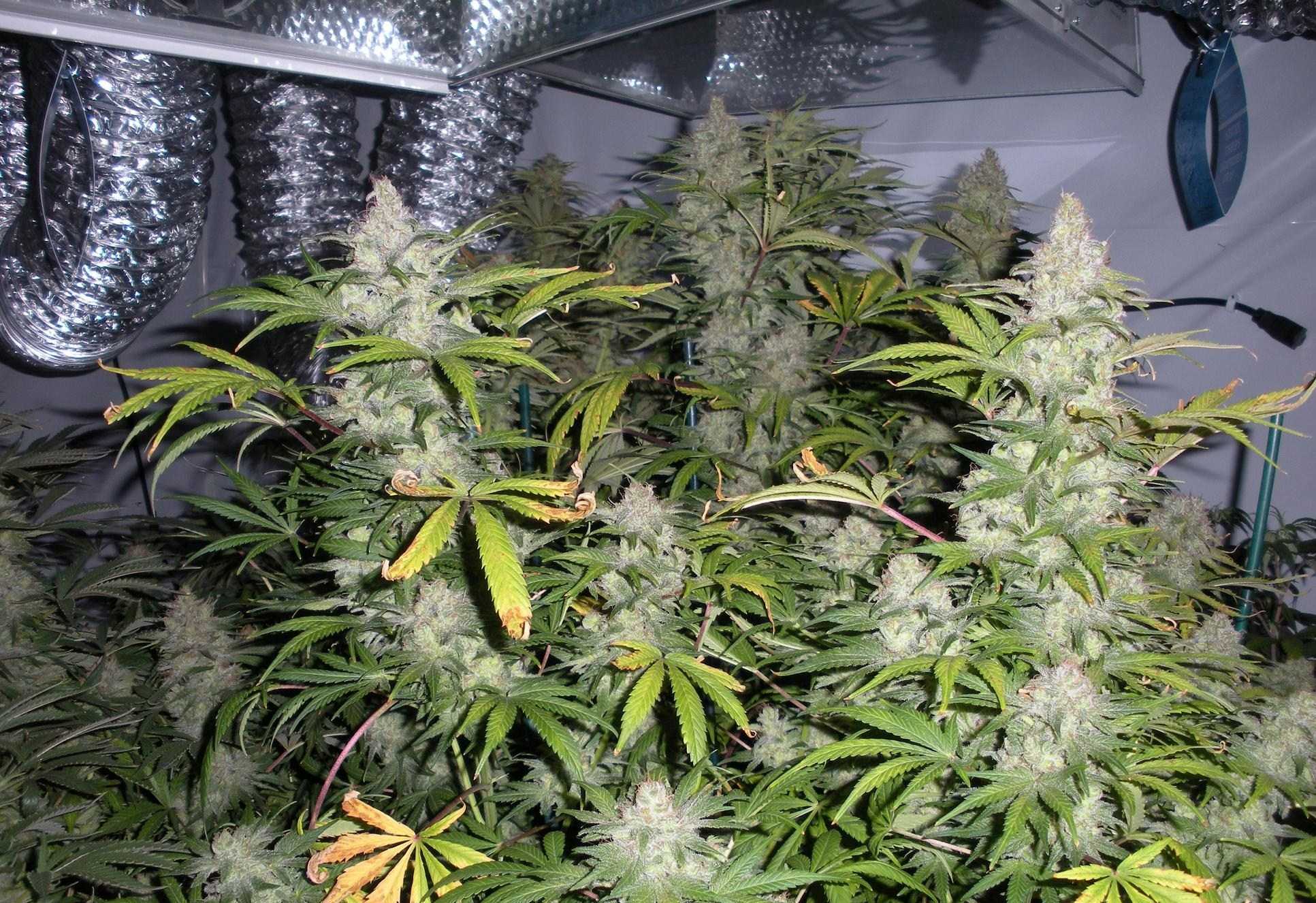
The ScrOG method mesh, or “Screen of Green”, is the most common horizontal trellis for indoor crops. If you want a yield comparable to (or better than) SOG , but with far fewer plants, you should try ScrOG. Experienced pruning and training growers who want to take their harvests to the next level always use a ScrOG mesh in their grow.
The vegetative growth period is the time when marijuana plants become bushier. Normally, a couple of weeks before flowering , the grower installs a mesh with 5cm square spaces over the crop. This is just the beginning. The process of folding and weaving the stems to fill the entire rack could continue until mid-bloom.
Below the mesh, the growth of the plant must be limited. This involves cutting the leaves and then applying the lollipopping technique during the third week of flowering. Thanks to this, the energy of the plant is concentrated in the production of buds in the favorable area above the mesh . Growers must ensure that adequate distance is maintained between the canopy and the lights and that as many tails as possible are illuminated. Defoliation above the grid must be done strategically. You don’t want to stress your plants , but you also don’t want the fan leaves to shade the flowers. This type of pruning should be a continuous, but minimalist process.

How to make a trellis for marijuana outdoors
To set up an outdoor cannabis trellis, you will need certain materials that may not be necessary when using the SOG or ScrOG method . This is because outdoor plants can get large and top-heavy, so they will need good support . Given the extra size and weight they gain when latticed, it’s critical to use a structure capable of supporting them.
In indoor crops, the use of horizontal trellises is more common, while outdoors, the vertical trellis or a combination of both is usually used. Choosing between one method or another will depend partially on the size of the pot . Bigger pots mean bigger plants, as the roots have more room to spread. It is also important to choose a pot with enough surface area and weight to support a fully grown plant upright. Outdoors, the heavy weight of the tops of the plants can cause them to topple, and this type of stress can seriously affect the harvest.
To secure the plants to the structure, you have to bend and support the branches as they enter the flowering phase . They will be able to repair themselves, so don’t worry too much; although of course you should not break them. The branches must be bent and intertwined in the trellis, so that the tip of the branch protrudes. You can use zip ties to gently hold them in, but you’ll need to make sure they don’t become too tight as the plant grows.

Step-by-step instructions for fencing cannabis outside
The process to fence marijuana outdoors is not too complicated, although it does require some involvement on your part. So try to have enough time to take care of it properly.
what will you need
- Large fabric pots
- Cages for tomatoes
- Wooden/PVC/metal poles
- Trellis and outer cage (metal or plastic mesh)
- flanges

4 / 5 (32)
Buy Mesh for ScrOG
Instructions
- At transplant time , place a tomato cage in the center of the pot. This will act as your internal support system.

- Place the posts around the pot, like the four corners of a square. Make sure the posts are long enough to support the plant when it reaches its full height, and have enough extra length so you can bury them deep into the ground. These posts will act as a support for the entire structure, so they must be robust and well attached.

- Install the horizontal trellis. The first layer should be placed on top of the tomato cage before the plant reaches it, so it will grow through the holes; although it might be necessary to use some form of low stress training to help her. Attach each corner to one of the four posts. This should also be well supported, as it will support the weight of the branches. Use strong zip ties or something sturdier. Depending on the size of the plant, it may be wise to put up a second horizontal trellis later in the growing cycle.

- Install the outer cage. This will help support lateral growth. Using a method similar to the horizontal trellis techniques, securely fasten this vertical mesh to the outside of the four posts. Leave a hole at the bottom big enough to get in and care for your plant. This should be installed towards the end of the crop cycle.

- Take care of the plants. This must be constant throughout the crop. For the trellis to work, you will need to tend to the plants regularly and carefully as they grow. It uses the LST to guide the branches, supporting them as they grow. You will also need to defoliate them regularly . By removing some leaves, you increase ventilation in the plant, which minimizes the risk of pests and mold . But defoliation should be light, as you don’t want to stress the plant or reduce its ability to photosynthesize .

Advantages of using a trellis for cannabis
If you do the trellis correctly, you will get big plants with huge yields . If you’re serious about growing marijuana, using a trellis of some sort is a must. The extra growth and increased light exposure allow for the development of gigantic buds. By supporting them, the branches have the necessary support to produce thick buds that, under natural conditions, would cause the branch to break.
- Summary of the advantages of the trellis for marijuana:
- Equal distribution of light
- Provides support for heavy buds
- Optimize time and space
- Holds a greater number of tails, and larger tails
- Allows better ventilation for the plant
RELATED ARTICLE
Les Meilleures Façons De Soutenir Les Larges Têtes De Cannabis En Intérieur Et Extérieur
Outdoor marijuana trees
The cannabis trees of southern Oregon take trellis training to its finest. In this state, medicinal users are limited to 6 plants and recreational users are limited to 4 plants. Therefore, Oregon growers need to get the most out of their crops. Master cannabis growers like Lambsbread grow monsters over 10’ tall with flat, spreading canopies that are almost the same width. His marijuana plants are so gigantic that he needs a ladder to be able to put up the trellis.