Hello @herr_gruen
Basically, EC value and ppm are the same. Text copy - The electrical conductivity is usually given as EC value (mS/cm) in Europe, in the English-speaking world ppm (parts per Million) or CF are common, with ppm dominating.
The next point is more related to hydroponics, but basically, fertilization with mineral fertilizer on soil is almost the same, as it always has to do with salt accumulations.
Both PPM and EC can be used to monitor the nutrient concentration in the nutrient solution. However, EC measurement is the preferred method for determining nutrient concentration in hydroponics, as it represents a more accurate and reliable measure of the concentration of dissolved salts in the solution. This also provides more accurate values for the drain test.
And believe it or not. The last clones I cut suffered from nutrient lockout due to over-salting. And here I was under half of the recommendations, and yet this happened with a single weekly application. Well, two factors played into this. 1 - started fertilizing too early when there were no signs of deficiency. 2 - The TNT fertilizer was also no longer good because there were crystals/salt clumps in the bottle.
With the drain measurement, I got over 11.0 and sometimes higher EC!
The stems turned purple, and nutrient deficiency was the result.
What I want to tell you with this:
It doesn’t always have to be too much fertilizer to get over-salting of the soil. If the soil is too wet, they take up less, and the rest accumulates, along with all the other factors. Then it quickly gets out of control.
And ppm, EC is actually the same, just a matter of country, like Euro and Pound or something. 
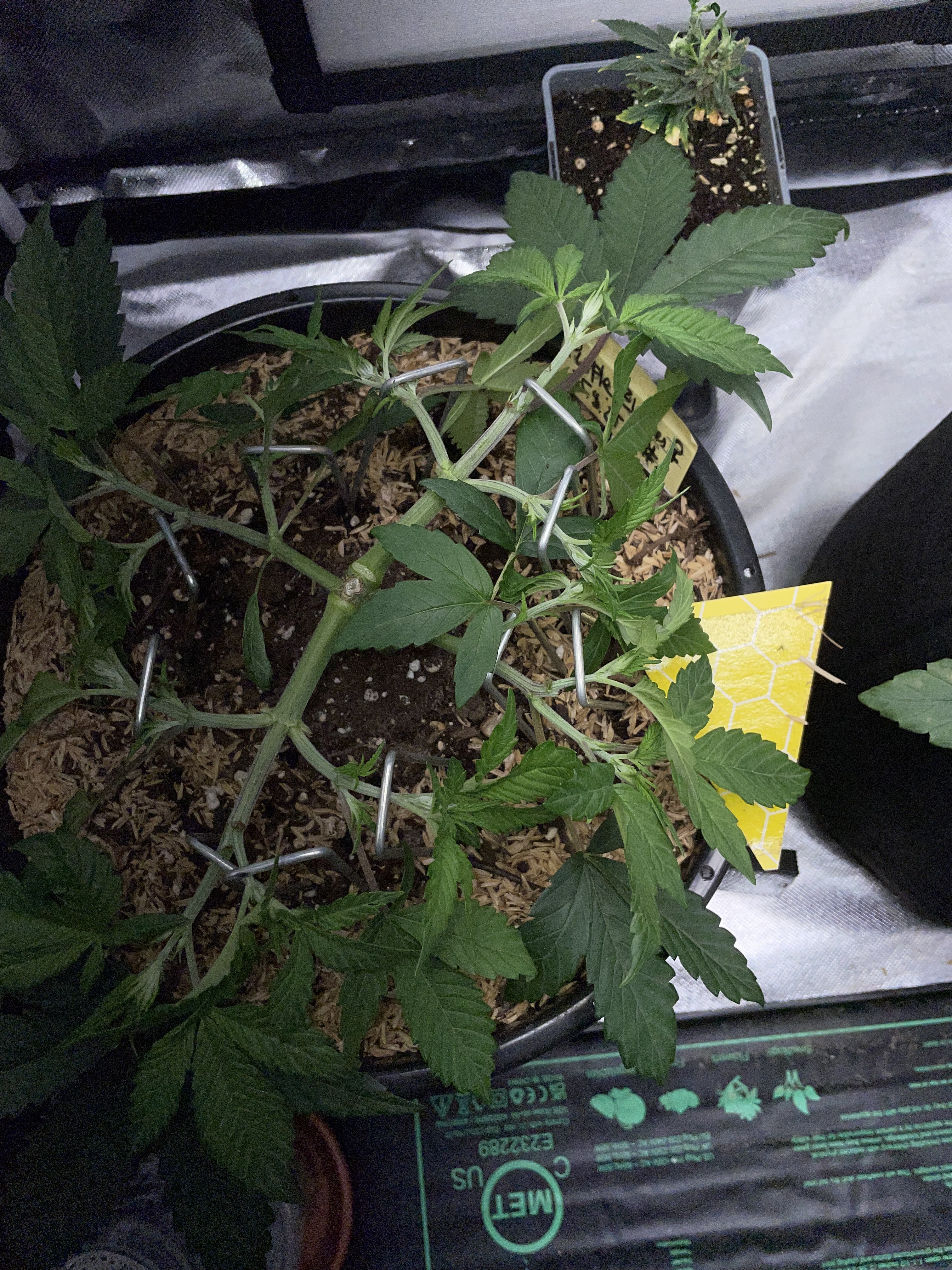
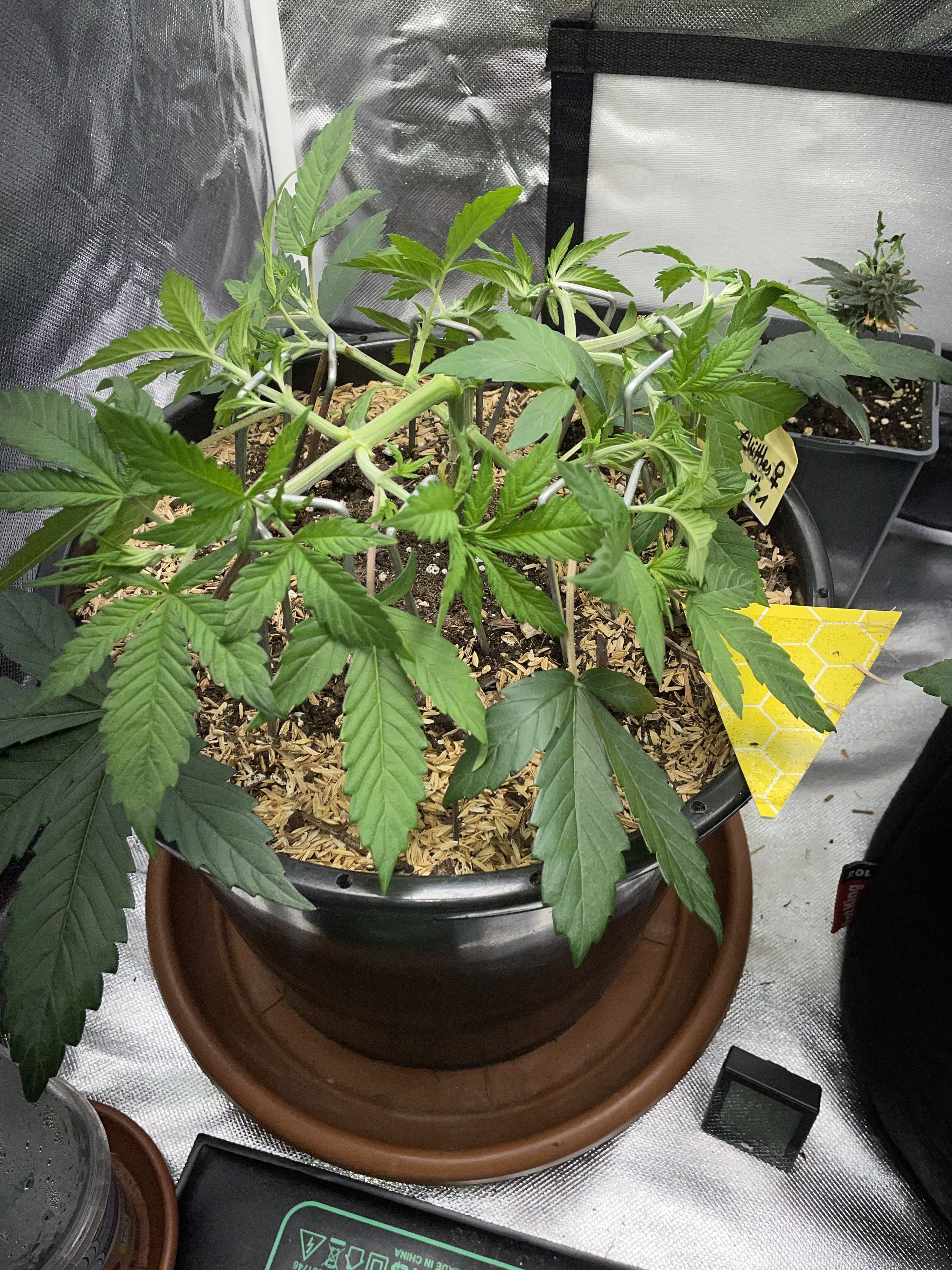
Then in your case, the competition, three in one small pot.
And the roots seem to be strangling themselves.
It would be important to first rule out salt accumulation, i.e., an extremely high EC value in the drain, which could cause the problems, and then, if the EC is still within limits, increase the dose.
One can just test for now, and maybe it was just too little, and with a higher dose, there should be an improvement. I don’t quite understand the mineral fertilization either. I once did a grow that delivered great results, but it was just luck. Now it went wrong, and everything else was always Living Soil, and there it’s more about the consistently correct moisture level of the soil.
Clearly, humidity and temperature always play an important role in nutrient uptake. If the soil is a little too cold, they take up less, and more remains, and new fertilizer is added, with all the consequences over time.
Very important is the pH value. And that’s something I noticed, even with Bluelab devices.
Take your time to determine the pH value. Really take your time. Even if it shows 6.5, the value can still drop again 10 minutes later.
In the end, too high or too low, quite a bit of salts = nutrients remain in the soil that could not be taken up, because fertilizers are salts, at least the mineral ones.
It’s already a complicated matter because the soil also buffers the pH, but probably not in dead soil. I need to read up on how it is when the pH is right, but the soil doesn’t continue to buffer it down further. Which could then become too acidic.
You also make sure that the pH tester is regularly calibrated with pH 4, pH 7, and whatever else is available. Otherwise, it gets blurry, hehehe. I also have such a solution for cleaning.
With purely organic fertilization, however, all that fuss falls away. It’s also more difficult to over-fertilize then. It can happen, but probably only in drastic amounts.
If a root competition battle takes place in the bucket due to lack of space, that also causes problems. Lack of oxygen, claustrophobia  are probably the small evils there, but with big consequences.
Let’s hope you get it under control and finish it. Greetings and good luck from Paule
Here’s something else I’m copying for you that can also explain fertilization a bit better, and of course, for those who are interested.
Why do you need the conductivity value when cultivating?
Simply put: the conductivity helps you to approach the optimal fertilizer dosage. Electrical conductivity indicates how much current can flow through a liquid. Mineral fertilizers contain conductive substances. The more mineral fertilizer is used, the higher the electrical conductivity of the liquid.
A measurement of the conductivity of liquids containing organic fertilizers is not useful. The conductive substances are largely only produced in the soil.
How do you work with the conductivity value when cultivating plants?
Many fertilizer manufacturers specify EC values for their products. For example, one starts with an EC of 0.6 mS/cm and increases it with the development of the plant until an end value of, for example, 2.0 mS/cm is reached.
These specifications always refer to a maximum that should not be exceeded.
Example: A fertilizer manufacturer specifies an EC during growth of 0.8 mS/cm. The EC of the tap water is 0.6 mS/cm. This leaves 0.2 mS/cm for “filling up”.
And in practice, this will be too little to adequately supply the plants with nutrients.
So what to do? This is really complex! Can’t it be simpler?
The simple way to successfully work with the EC value is as follows:
You ignore the EC specifications of the fertilizer manufacturers and use the milliliters per liter specification as a basis.
This is usually a good guideline.
You then mix the nutrient solution, measure the EC value, and document this for each process.
Such a table allows you to see very well how the plants react to different dosages.
If growth is quite slow, the leaves are rather pale than dark green, a nutrient deficiency may be present.
You then increase the nutrient supply, measure, and document the EC value. If the condition of the plants improves, you will be wiser about the correct dosage for the next round.
OK. Understood. Should the EC value always be measured and documented?
No. On soil, it usually makes little sense, as the soil life produces its own nutrients or already contains them.
However, in hydro and aeroponic systems, measurement and documentation certainly make sense. It significantly facilitates the identification of errors in the “nutrition plan”.
Sounds plausible. But why are there so many different units? And which one is correct?
The electrical conductivity is usually given as EC value (mS/cm) in Europe; in the English-speaking world, ppm (parts per Million) or CF are common, with ppm dominating.
ppm is also given in different scales (e.g., ppm 500, ppm 700). Why? Longer story. You can Google it  Stay High


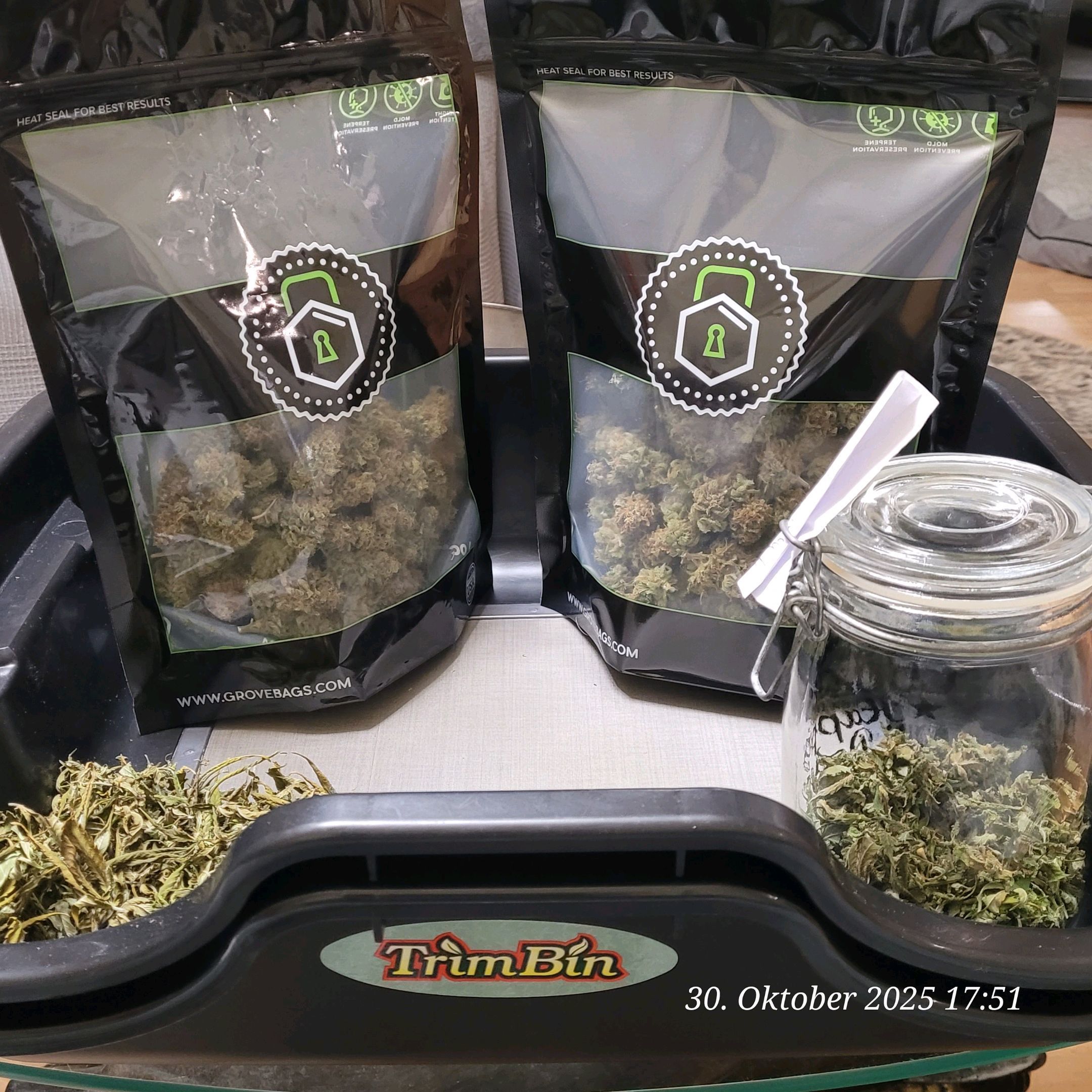
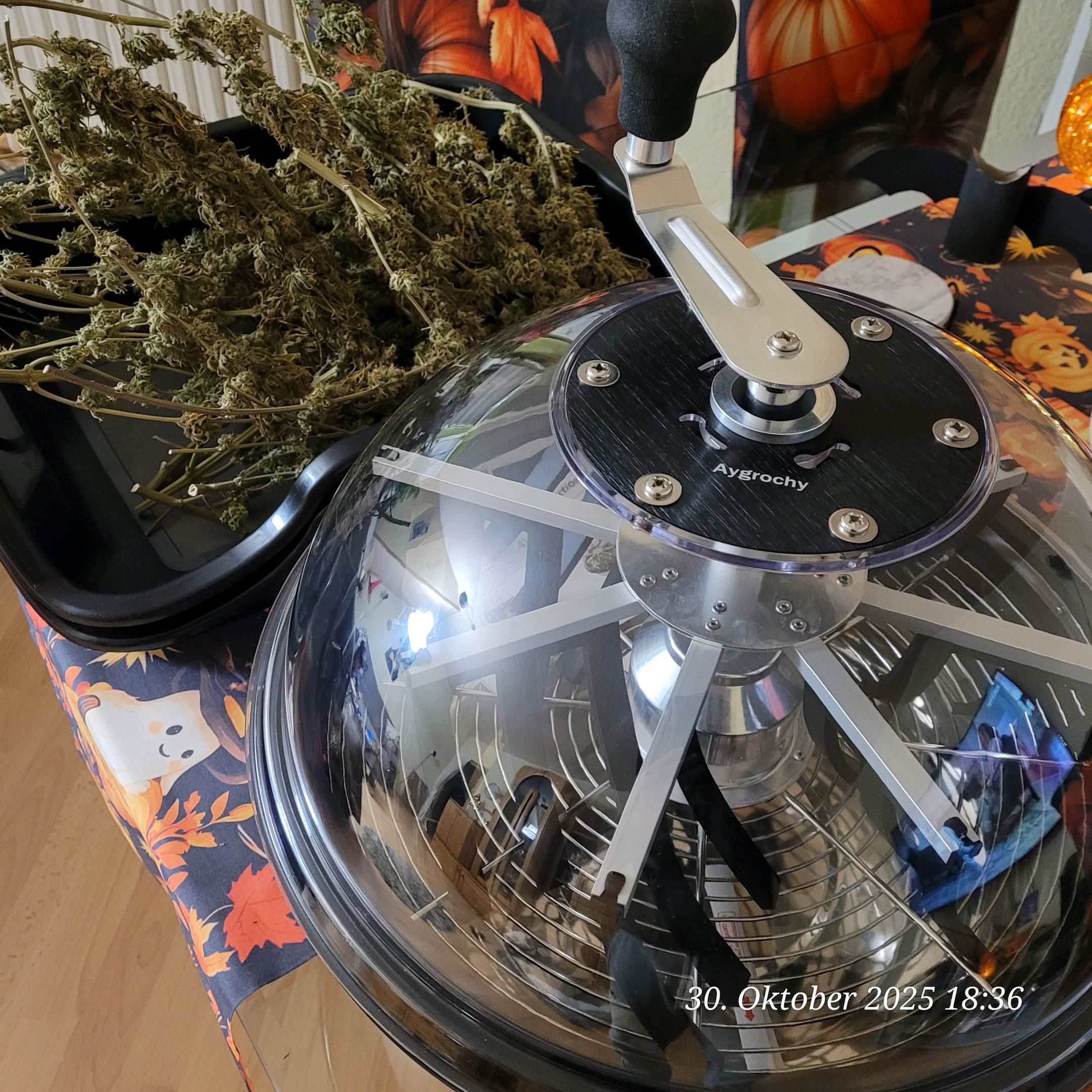

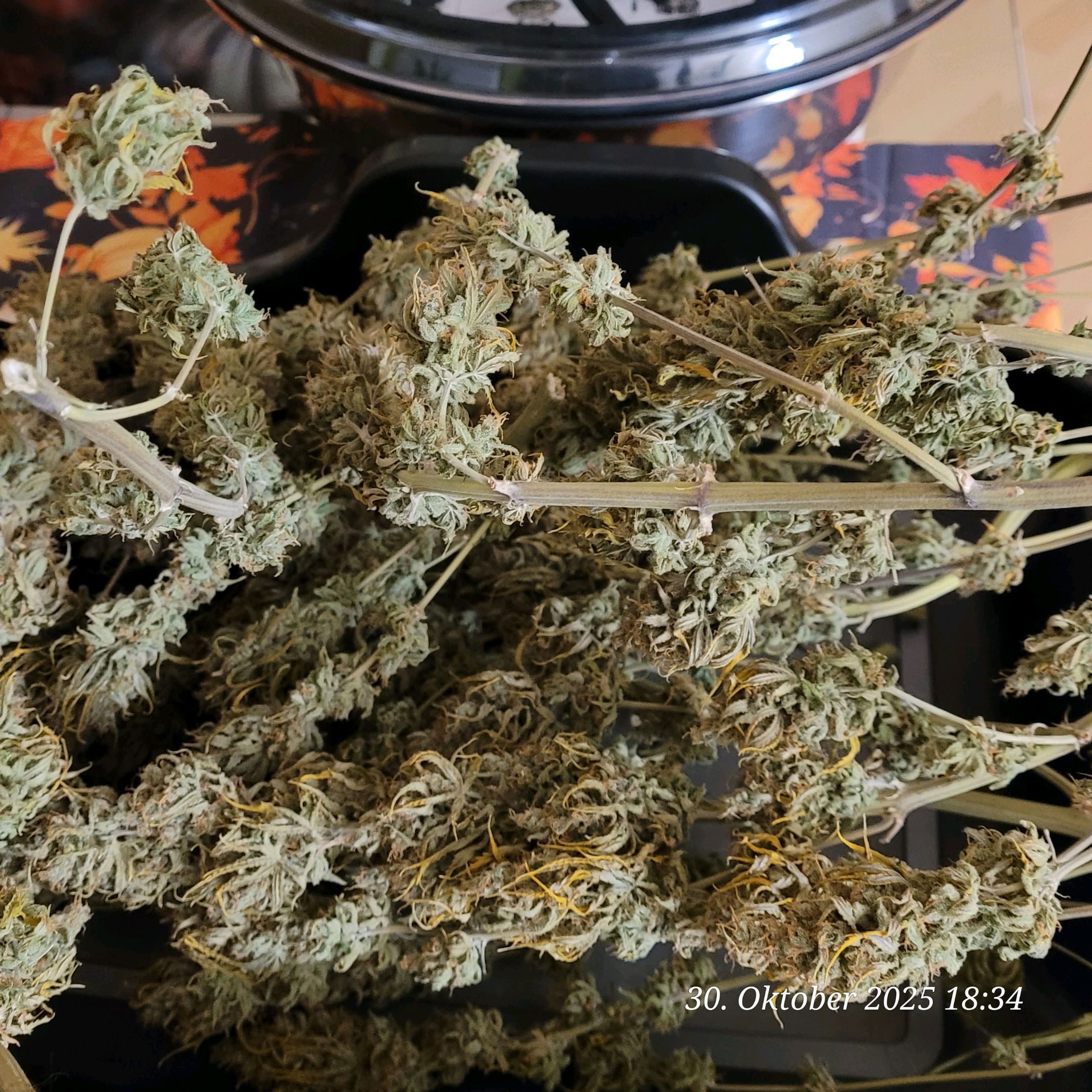
 . Then the heating will be turned up again for a cozy warmth in the room, and the cycle slowly begins anew.


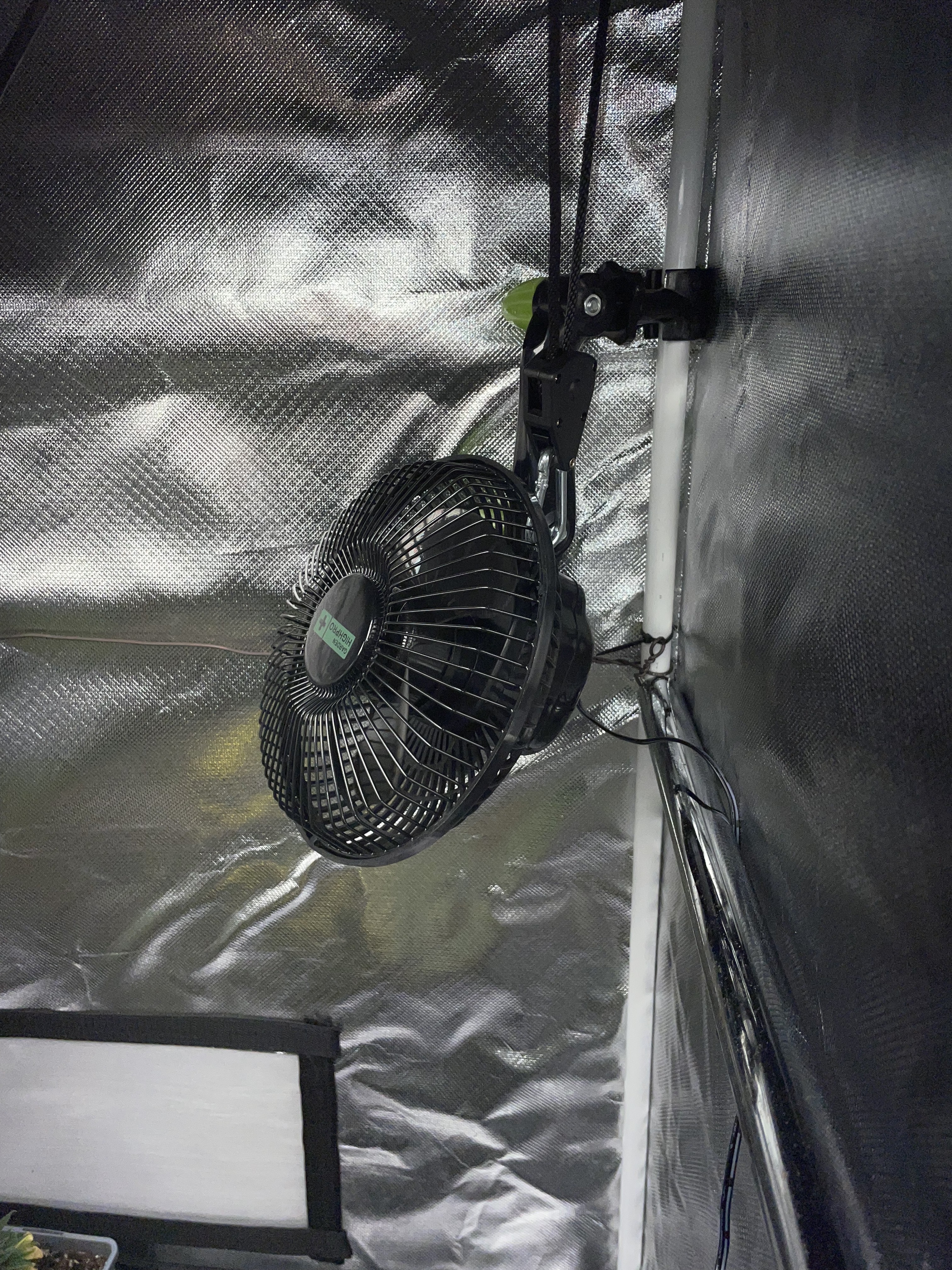
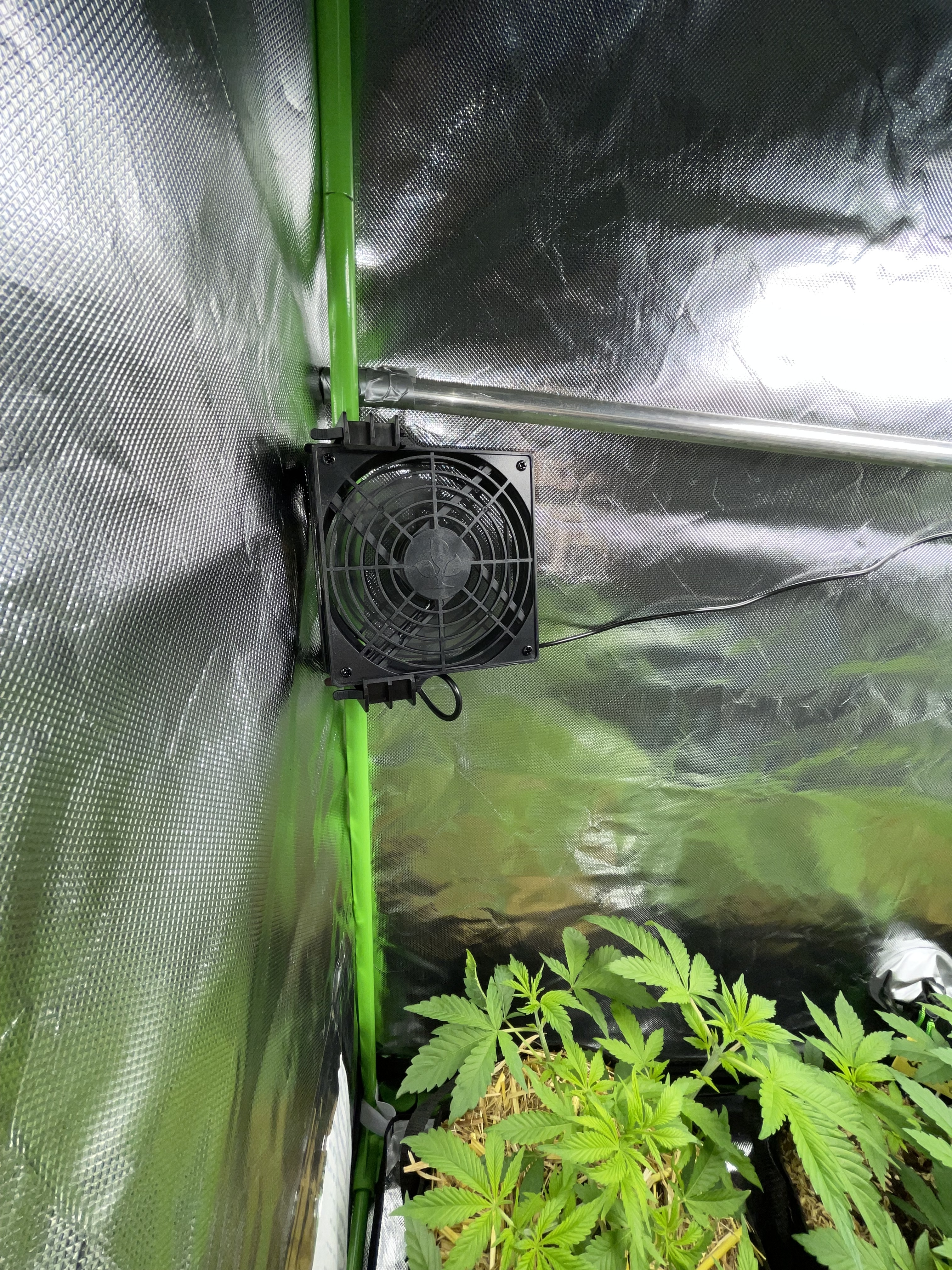

 Let’s see how long they last. Secret Jardin. First time dealing with the brand. But so far, they make a great impression.
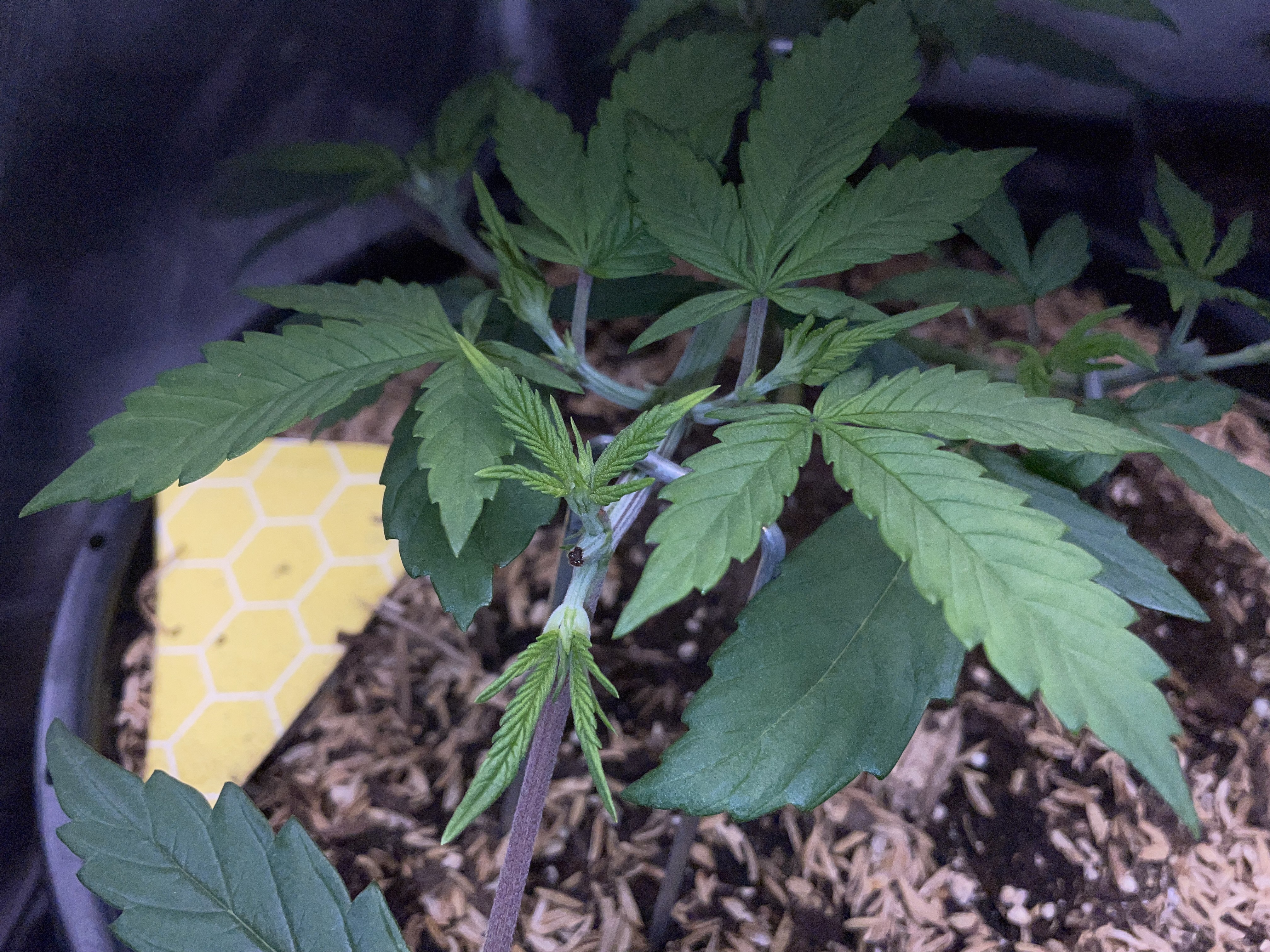
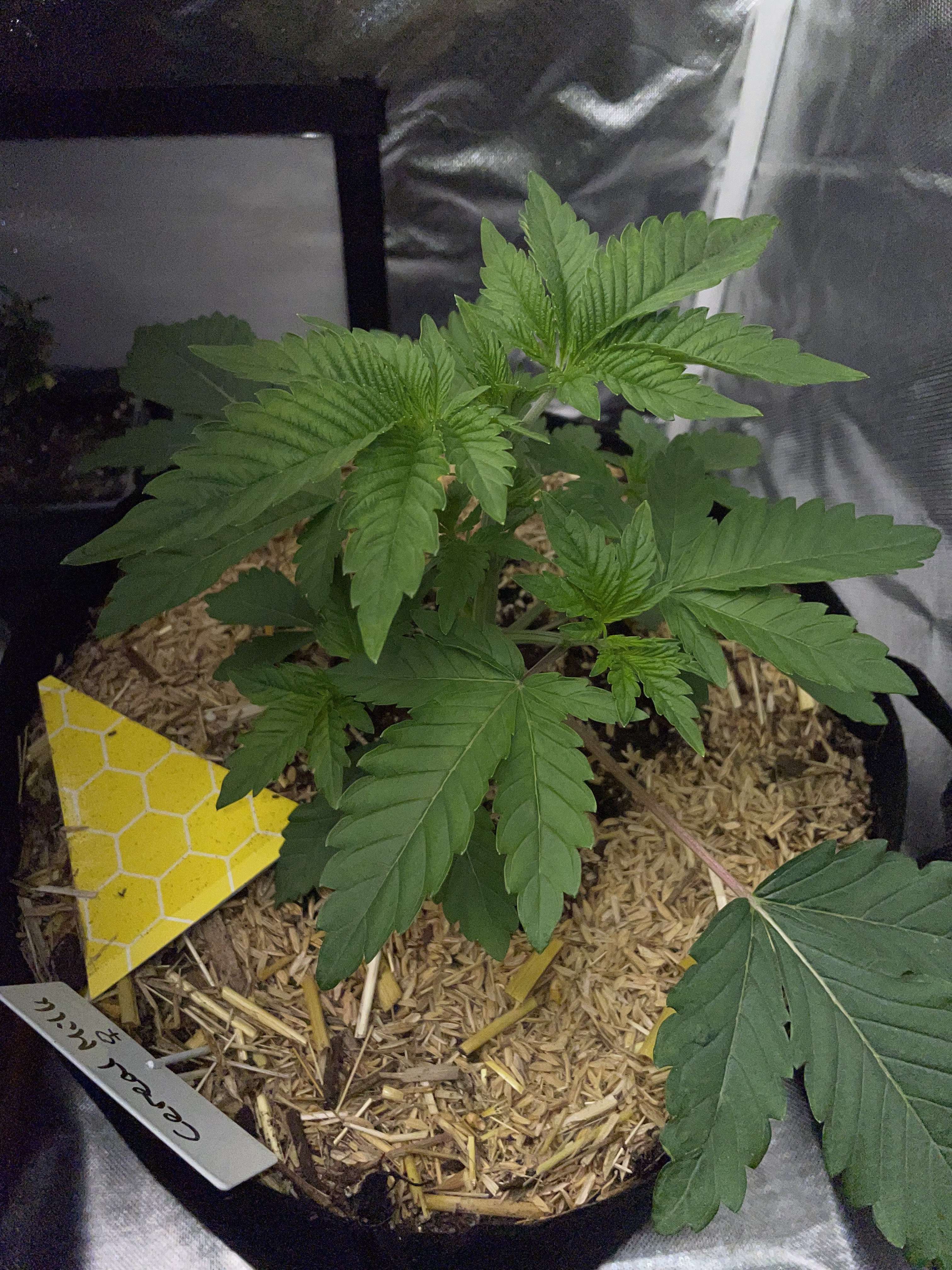
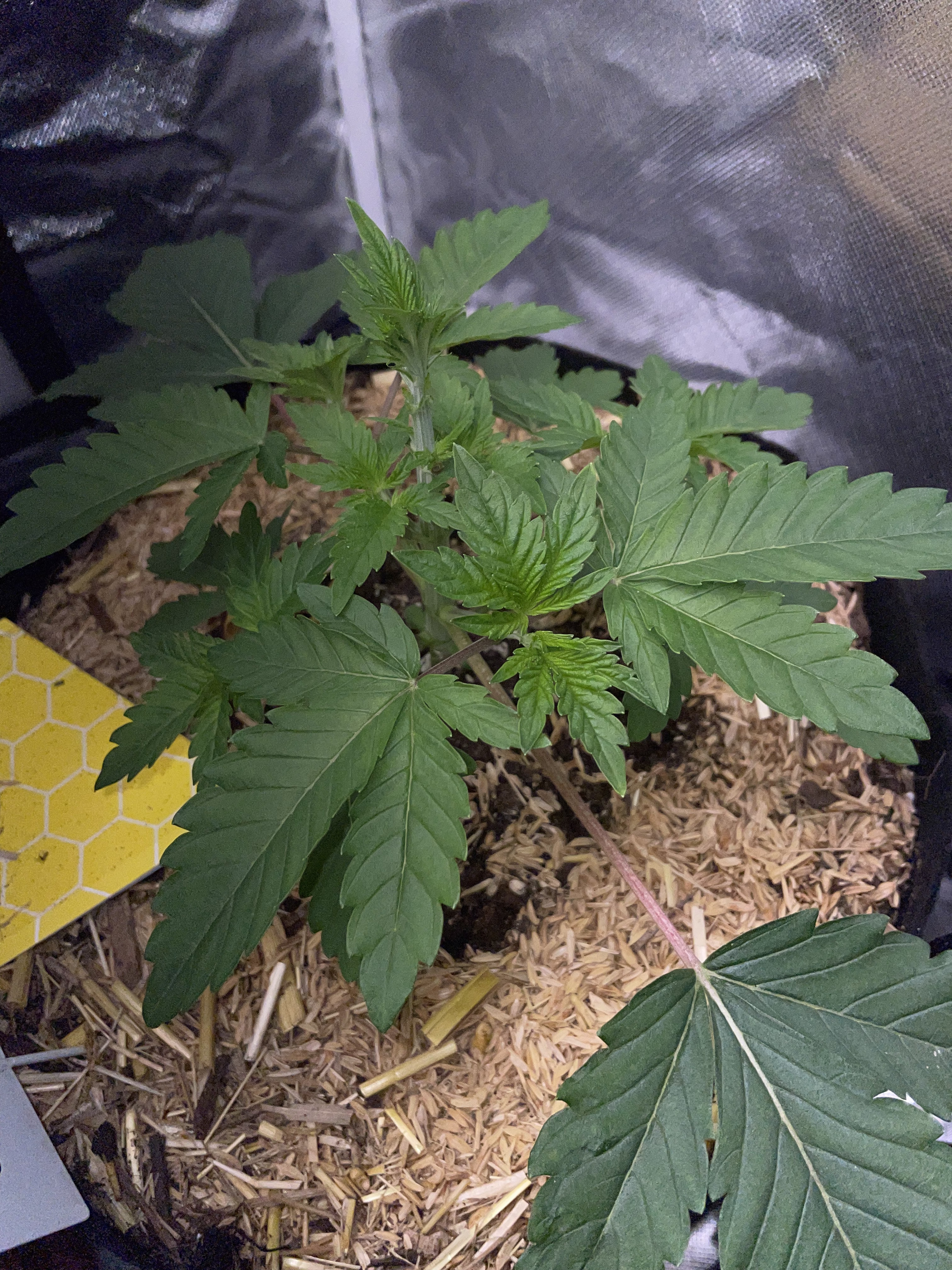
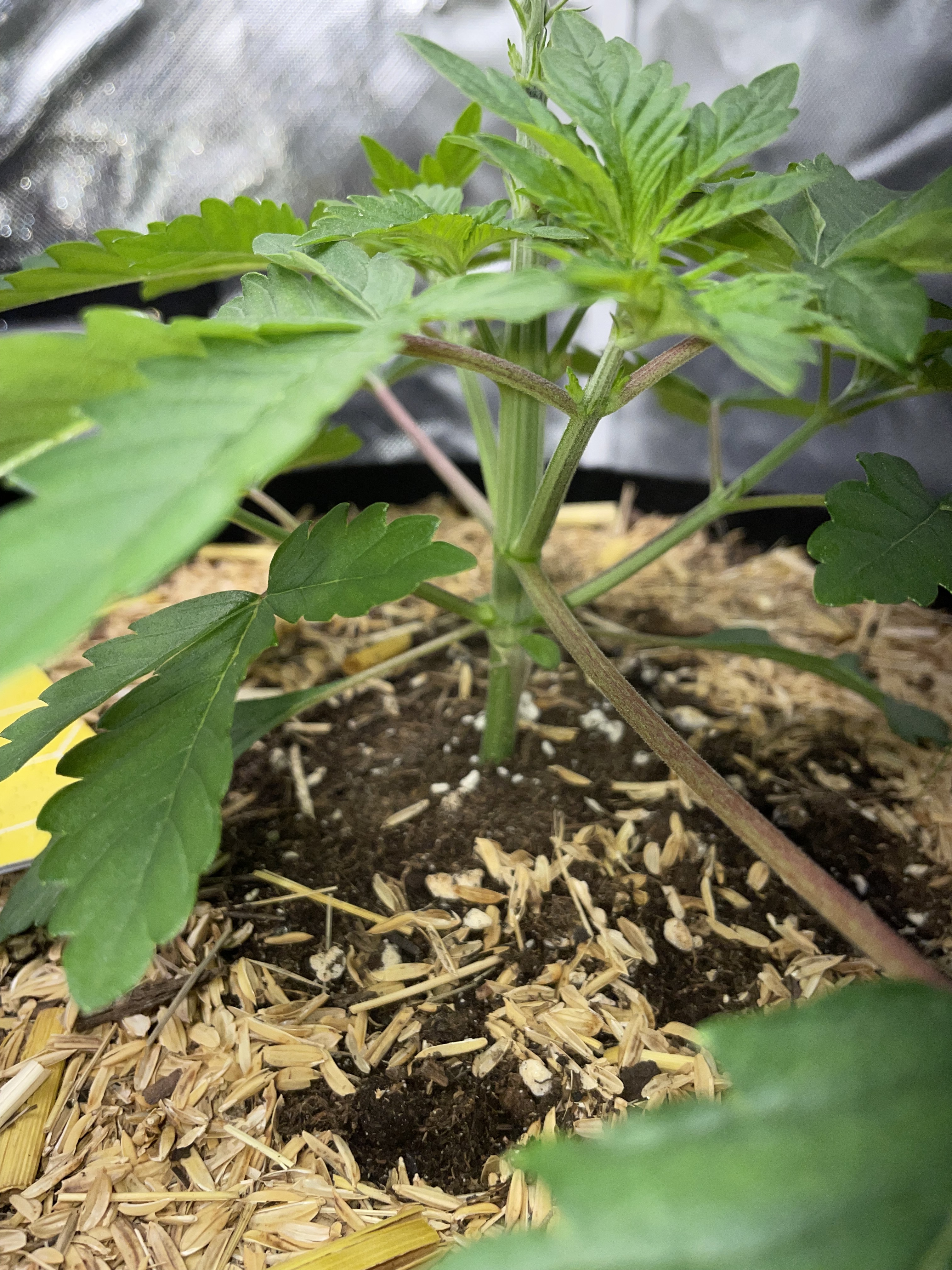
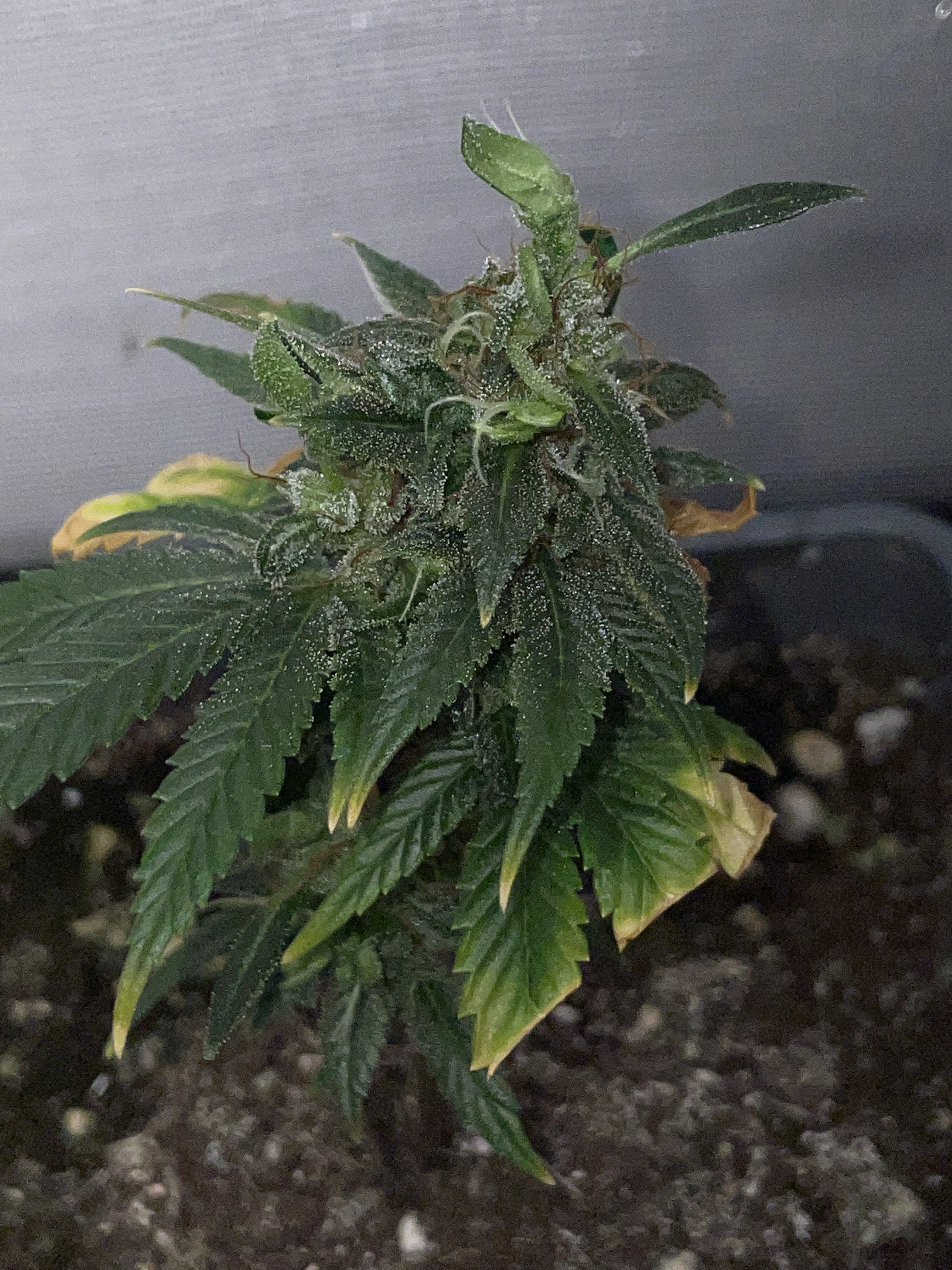
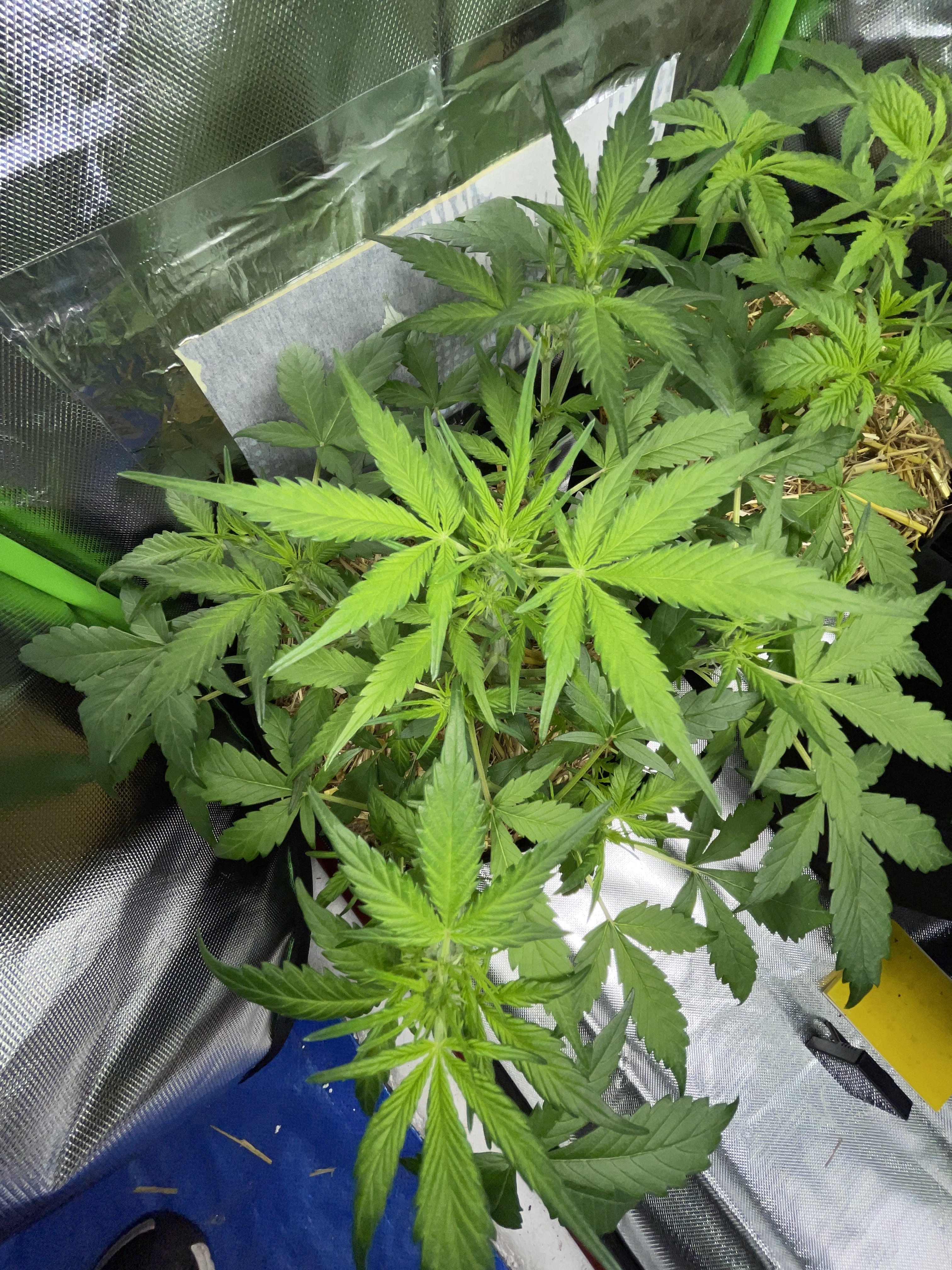

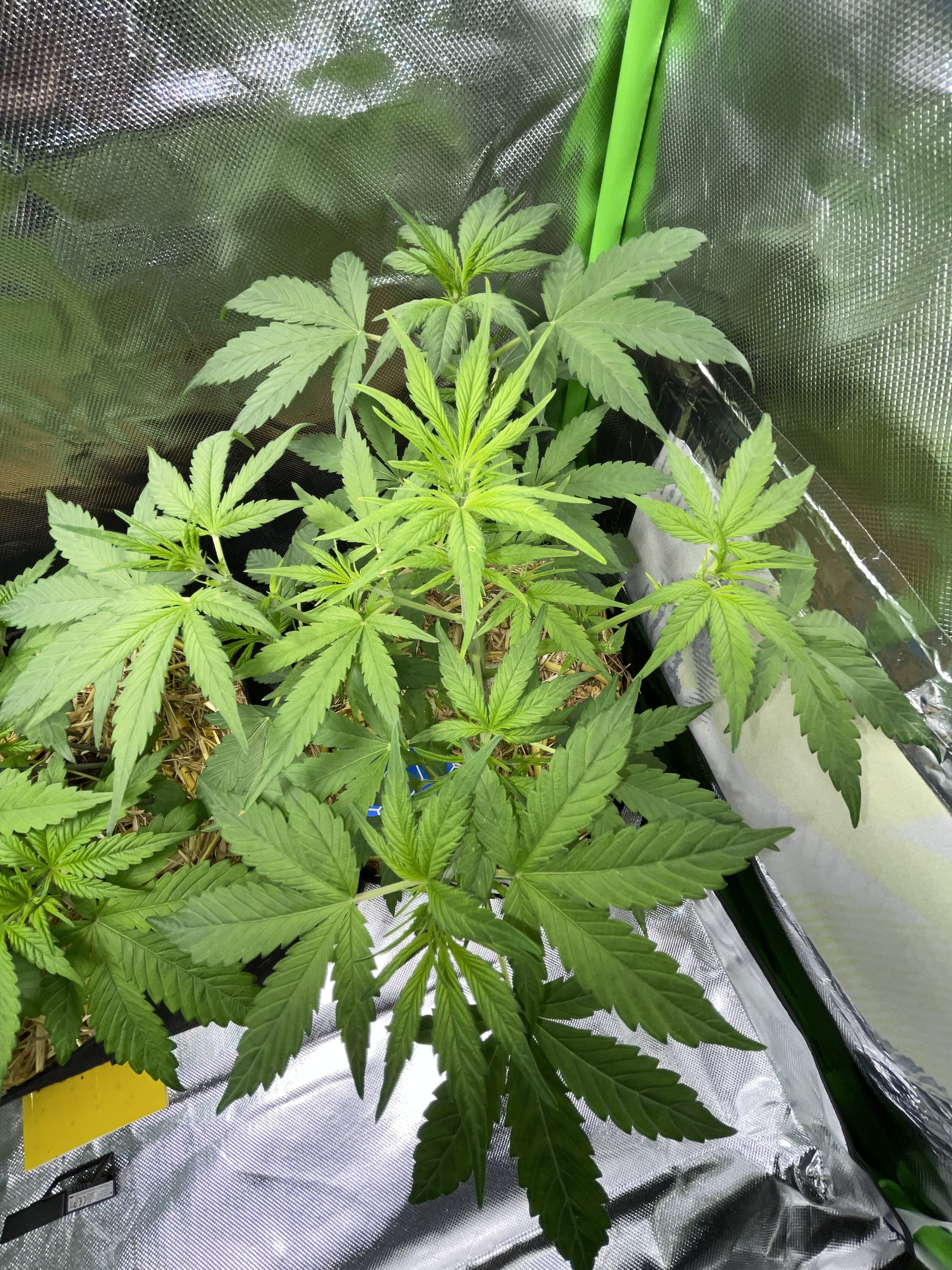
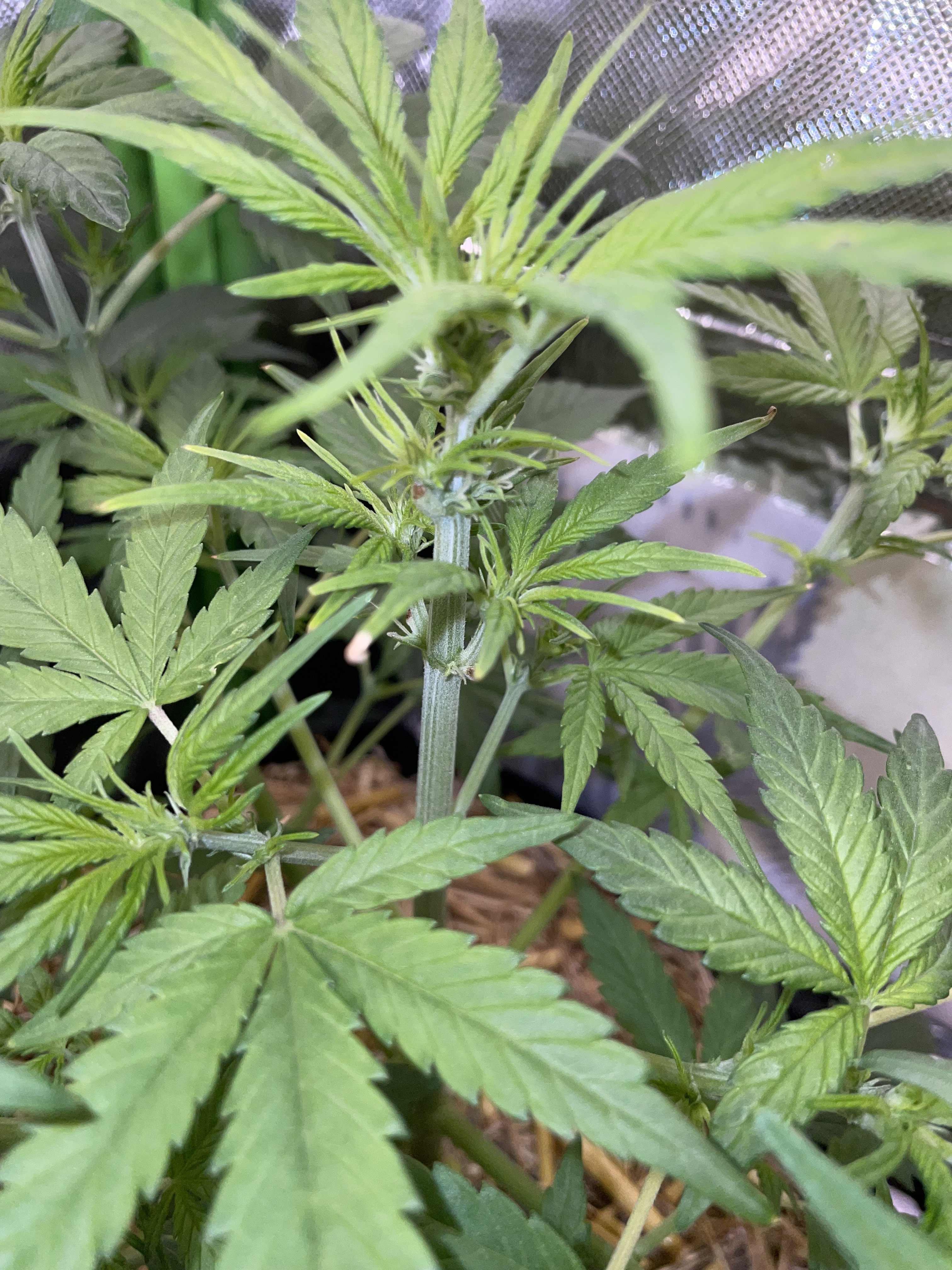
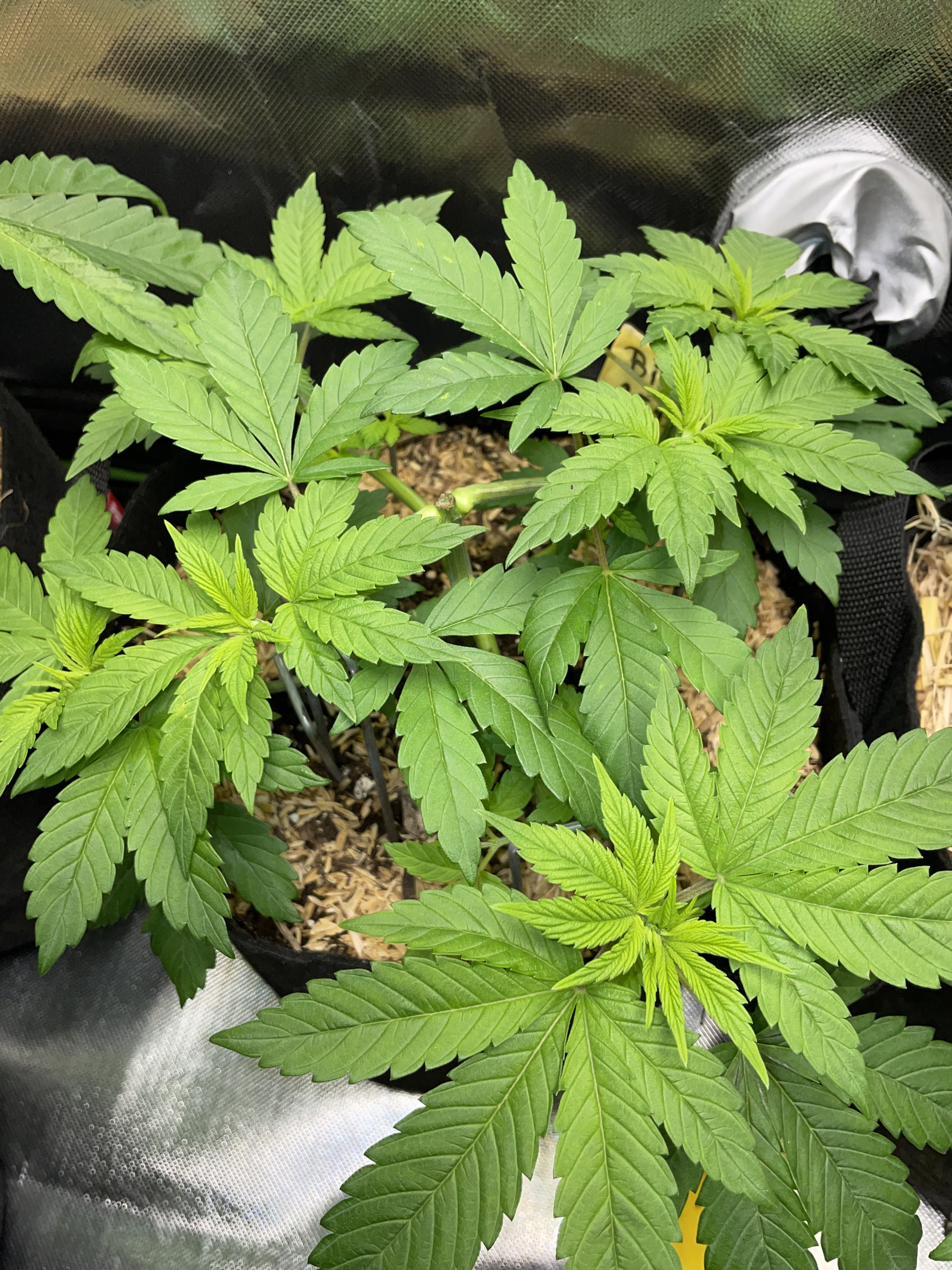


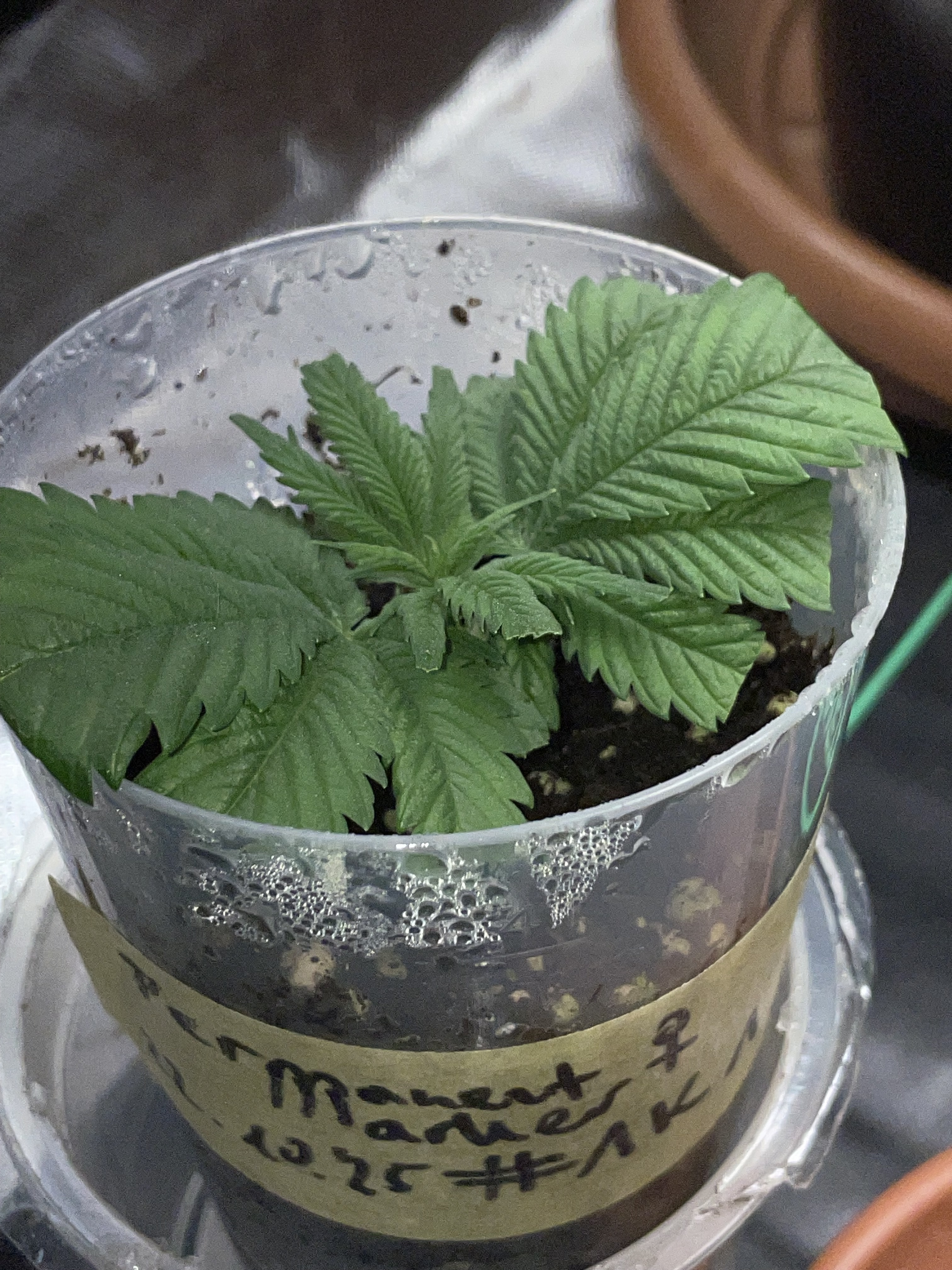
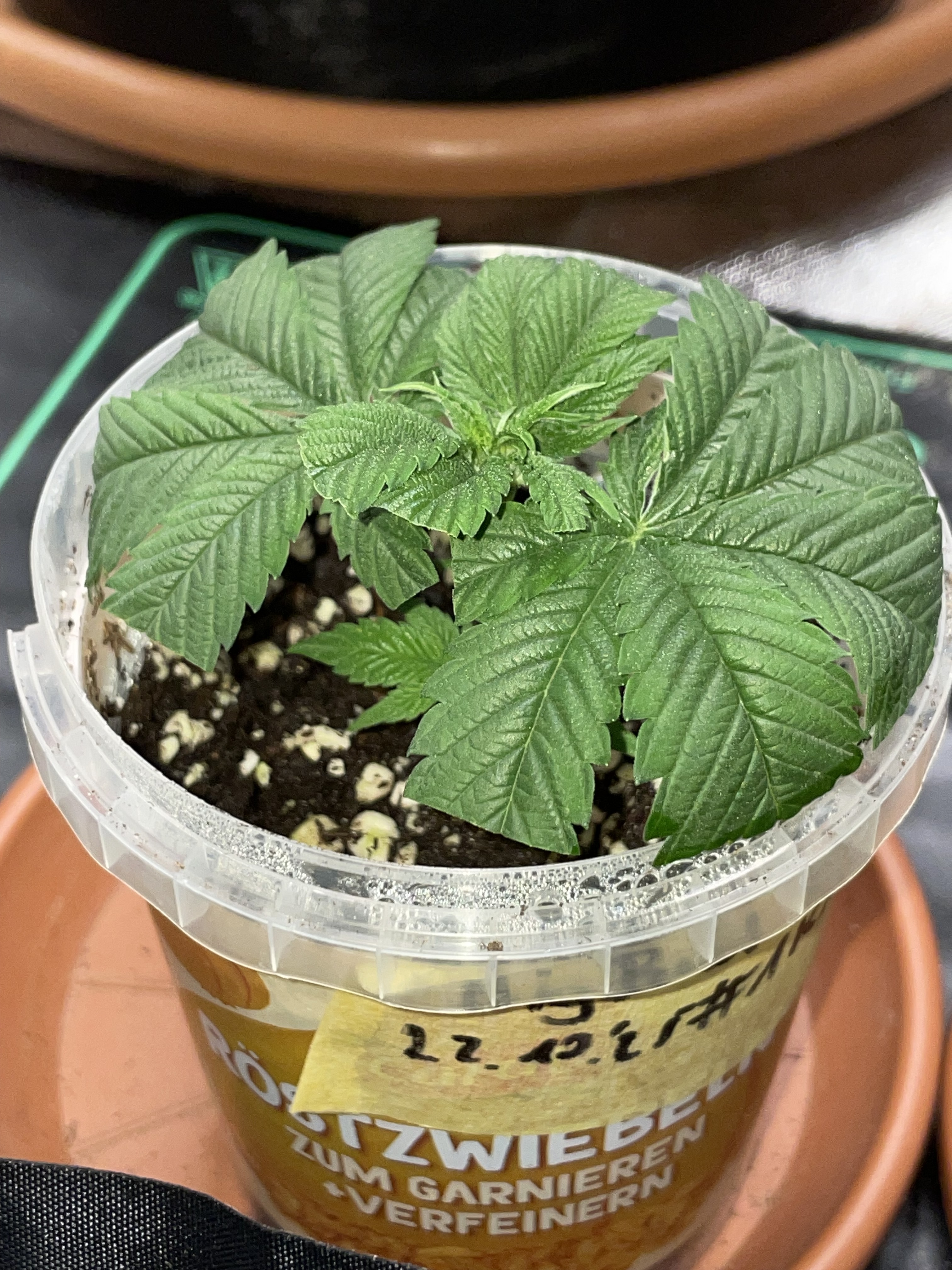
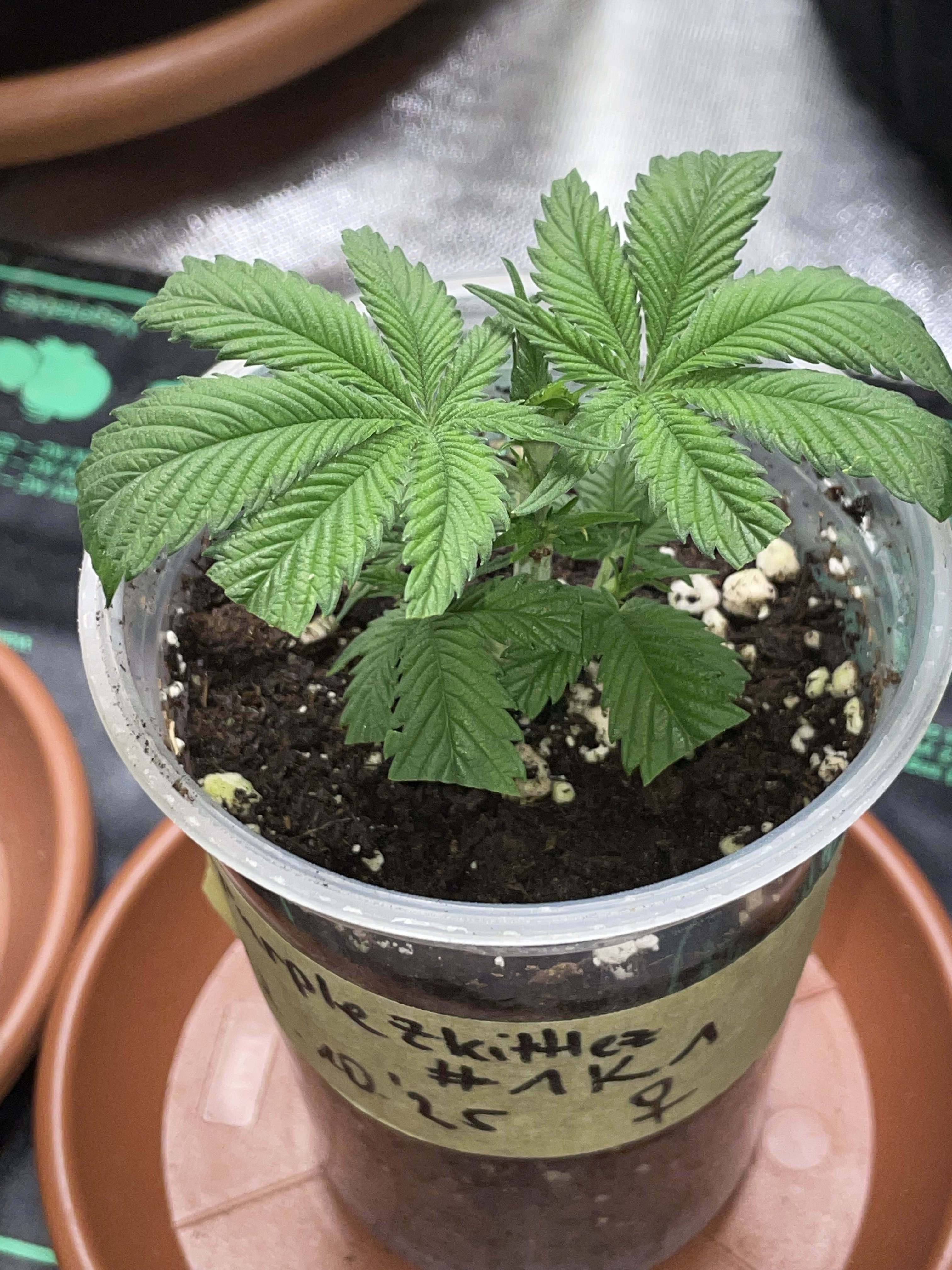


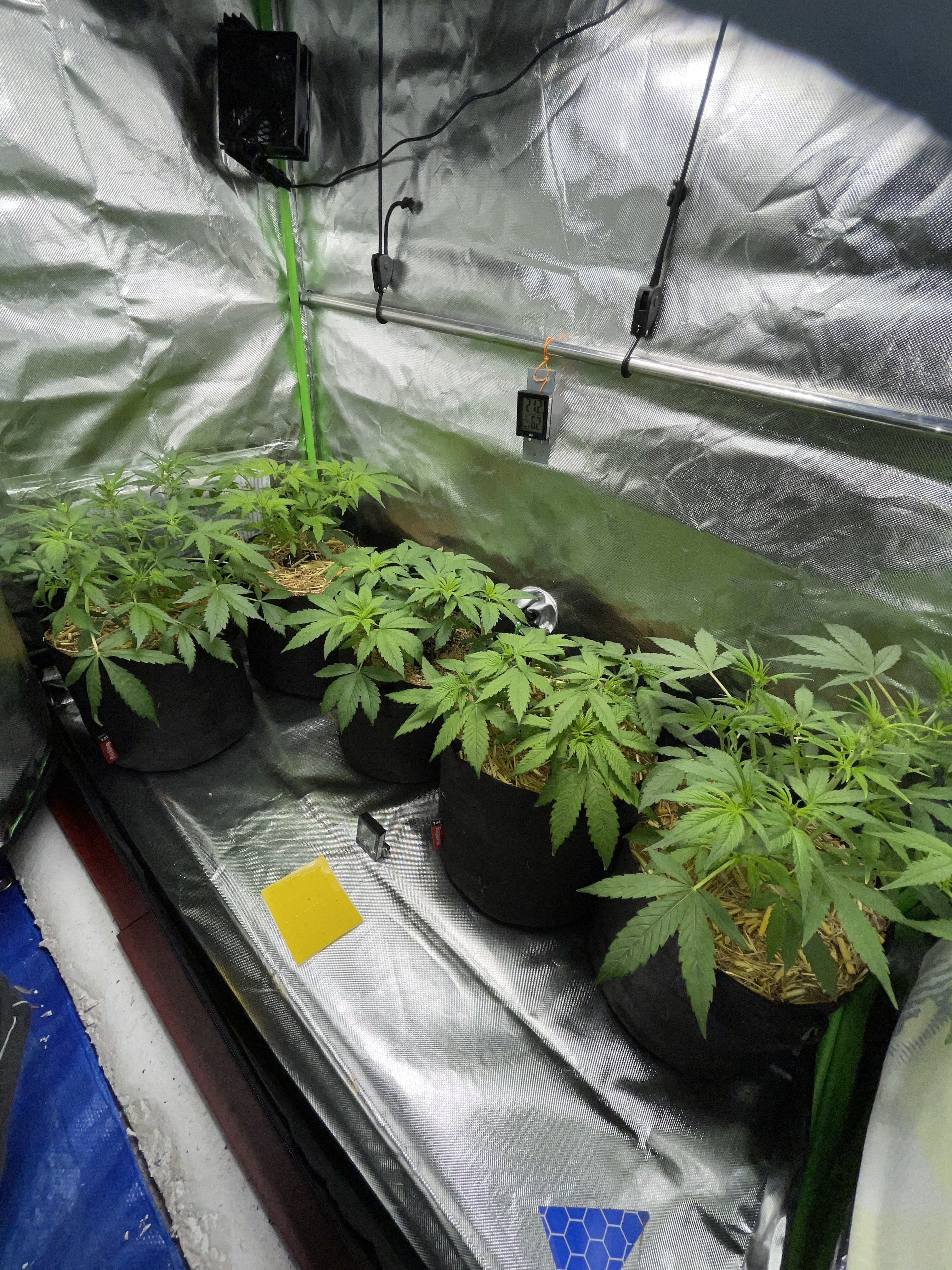
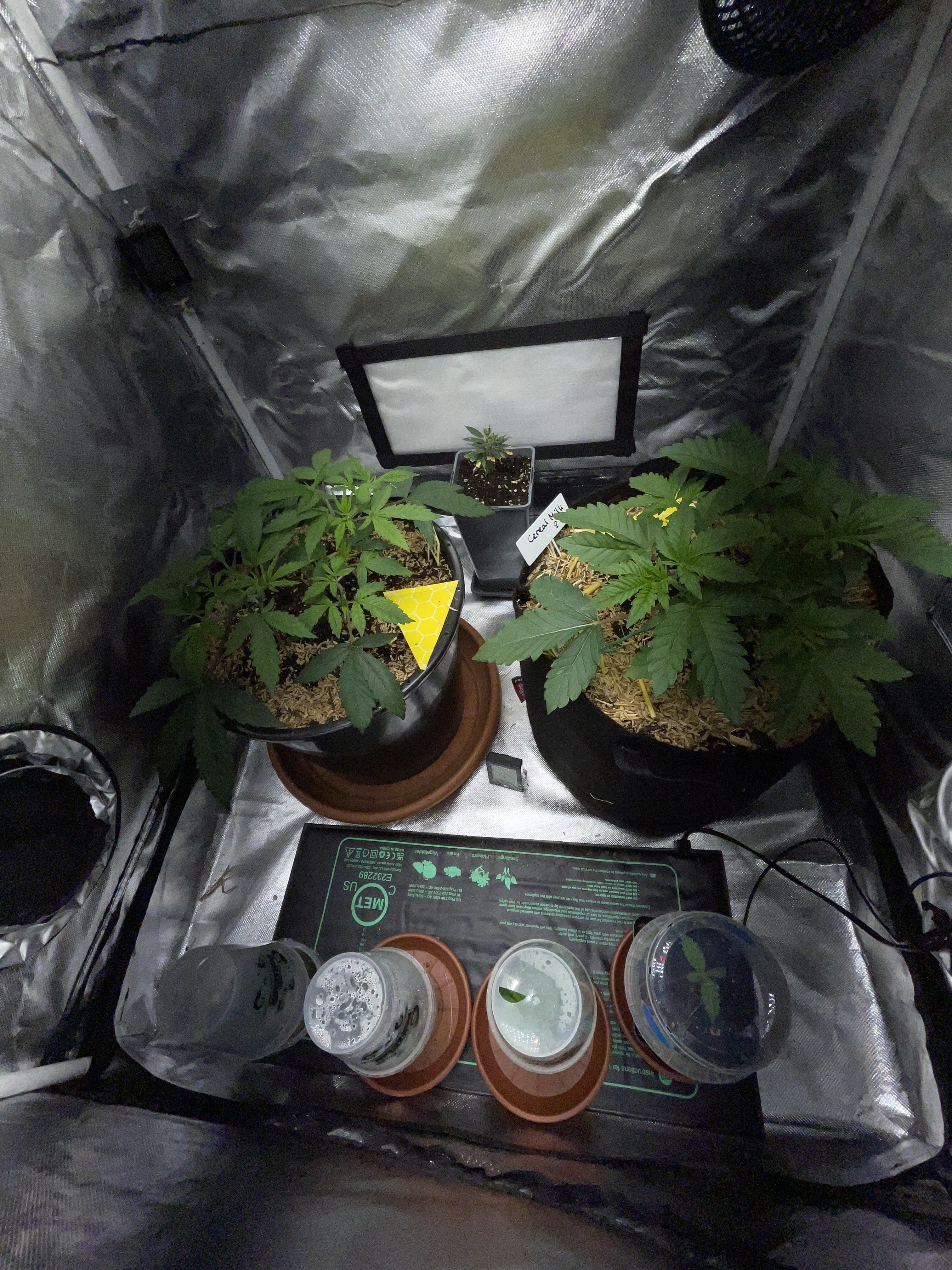




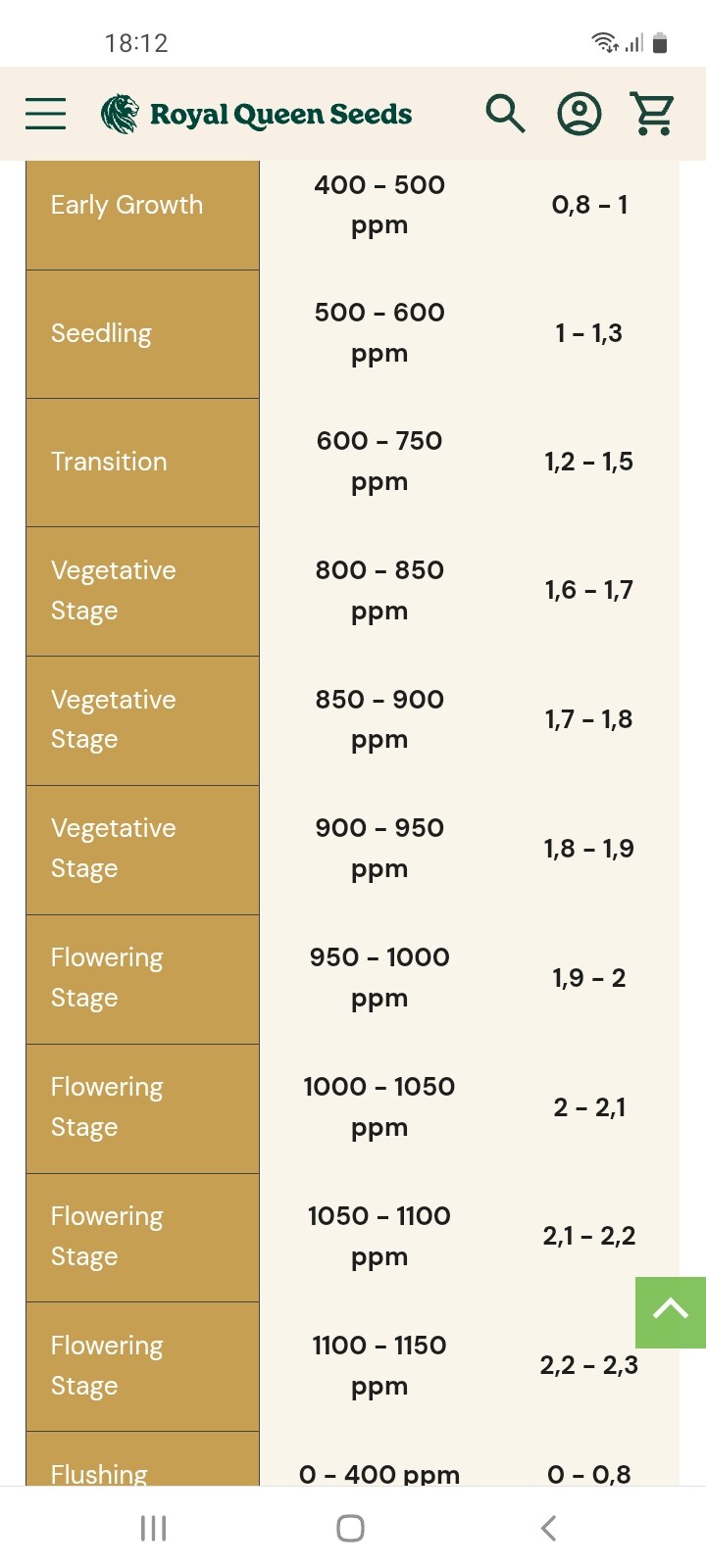
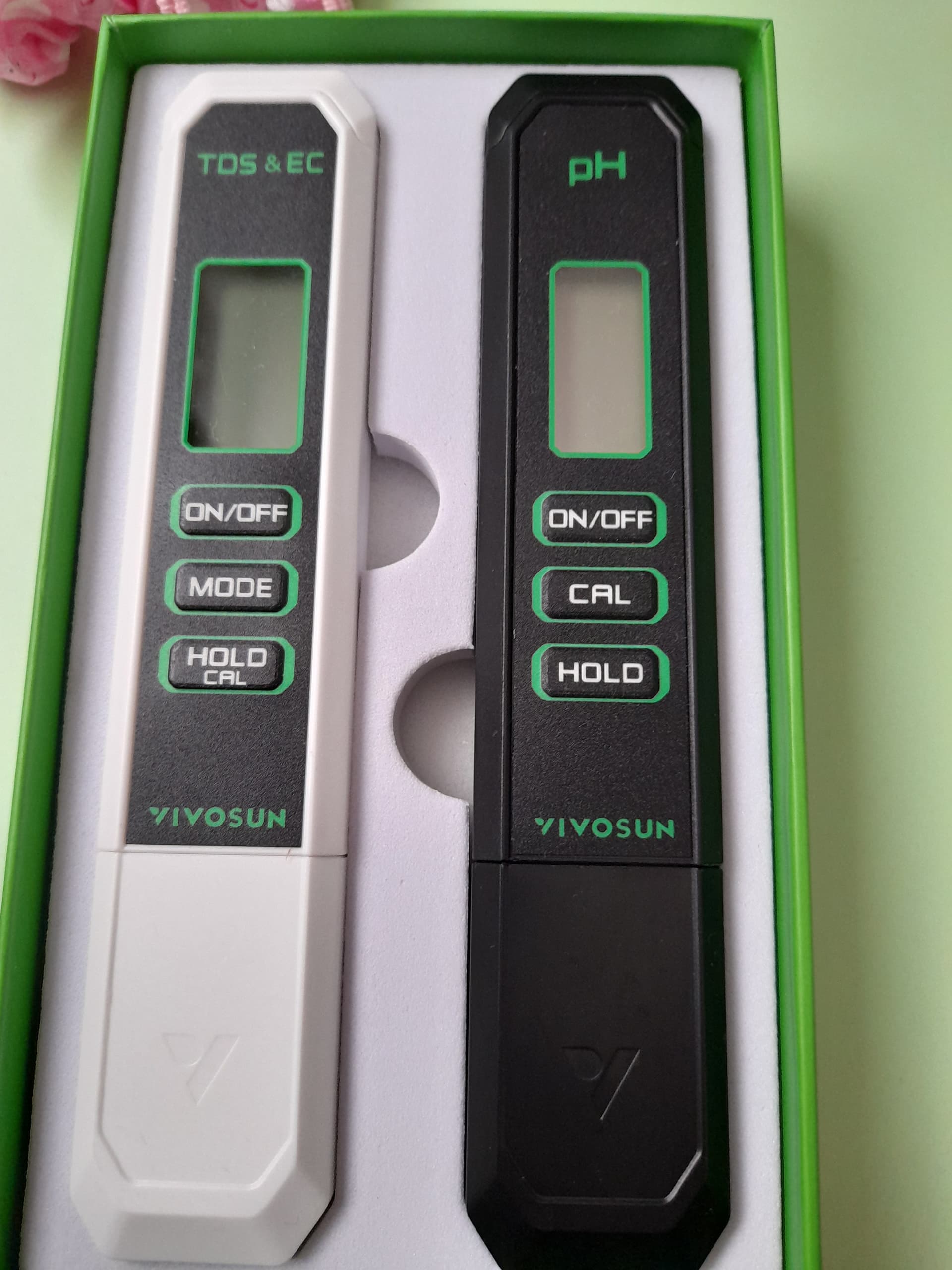
 and the shoe is pinching them. I assume they are fighting over food. The original plan was for them to compete during growth and not steal each other’s food. Back to the actual topic, too much salt in the soil cannot have accumulated yet, as there was only little chemical input. I’m currently watering every 3 days and will probably fertilize organically every time from now on. In addition, there’s CalMag. I will now measure the nutrient solution with the ppm tester and then pump in
  until I reach the values in the table. I hope the deficiency will be resolved soon, otherwise I’ll soon be at a loss
  . With organic fertilizer, there shouldn’t be any problems with blockages since there are no salts in it, but I shouldn’t overdo it with CalMag.

 Punch
Punch  Auto
Auto Purple
  Punch
Punch