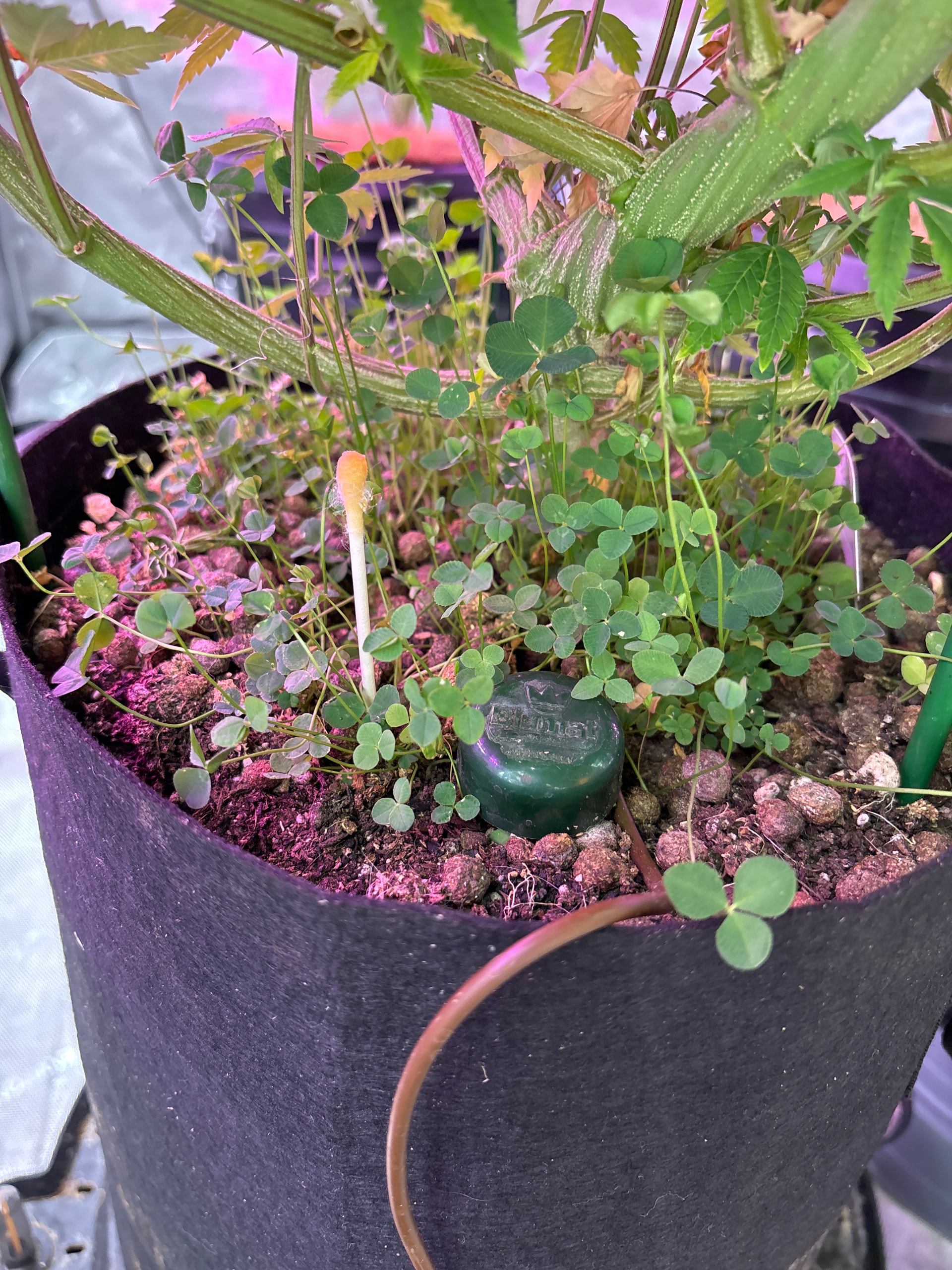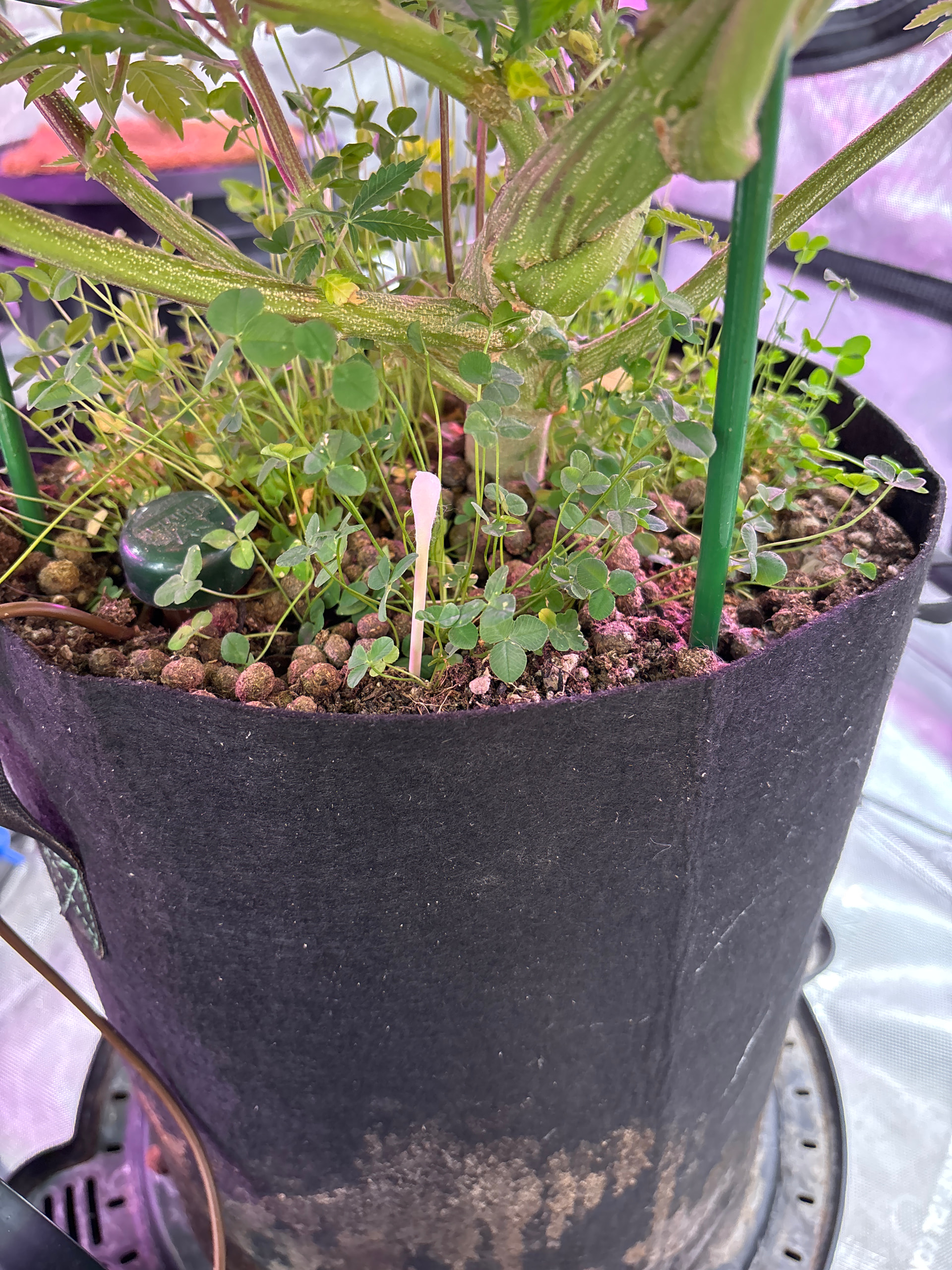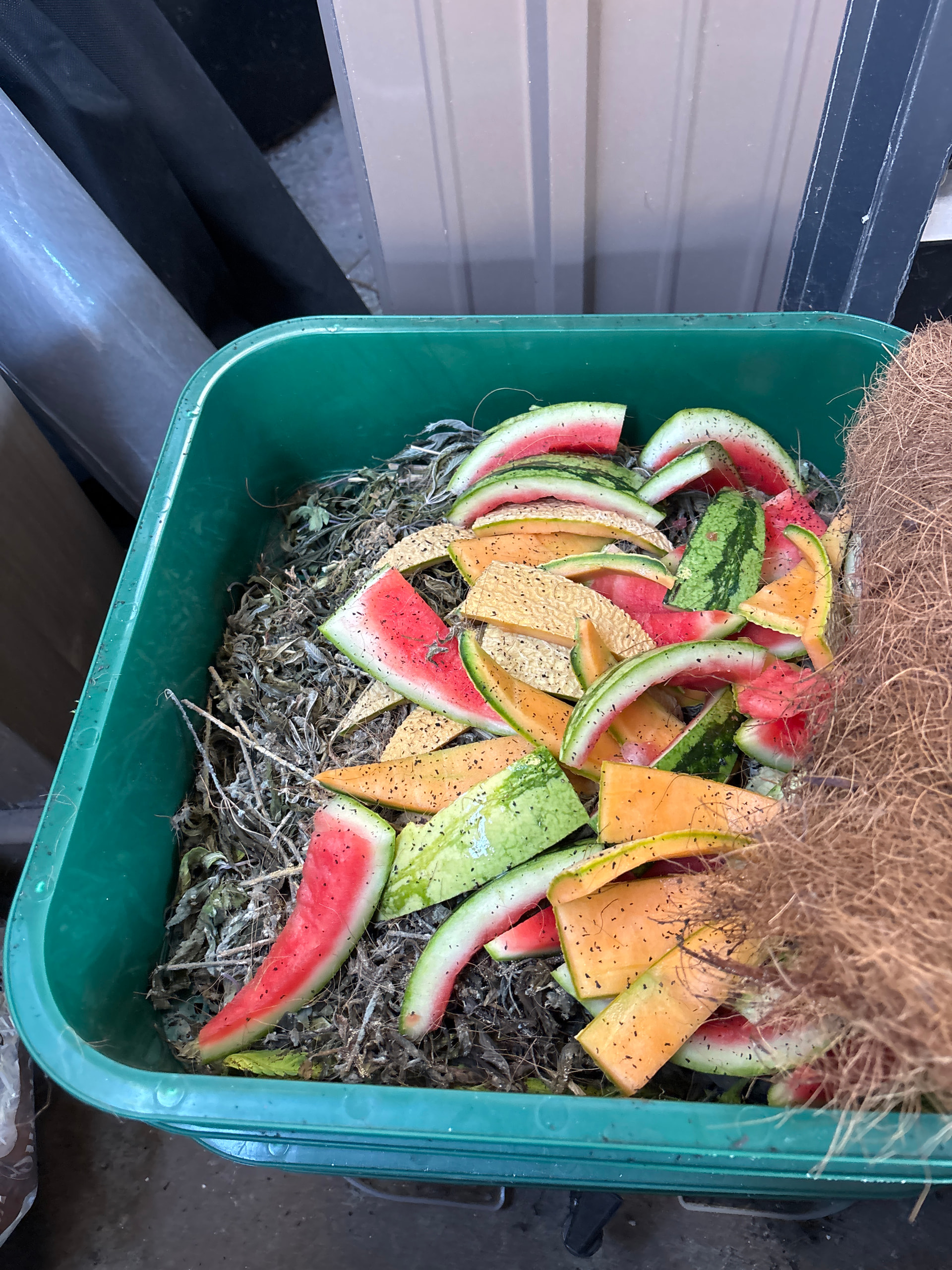
I’m on fourth tier in my worm bin I have a lot of cannabis vegetation and trim in there. You have to give back to the plant they naturally mulch themselves. I grow organically currently I’m using White Dutch Clover as a ground cover which is supposed to pull nitrogen out of the air and put it in the soil. I also put a layer of rabbit manure as a top dressing. I use the FOOP Nutrient line and their inoculated biochar. I’m also in search of flavorful weed. I also think that lighting play a big part of it. Along with the genetics. I added some UVA to my main light and run it on the same light cycle. I’m on day 8 of flower. I just adding CO2 today. Coming up I’m going to add two UVB reptile lights around week 3 for one hour and day and gradually increase it. I’m hoping that will stress the plant and increase the flavor. It was a good read!
i will gladly join in on the convo as well as experiments. been fairly busy with work and find time to stop in here and see whats happening in the community so when im not tired i will definitely give this thread another read and comment on some stuff i wanted to previously and didn’t have the time lol. and nows its 1:14am and will definitely chime in tomorrow with you all
welcome friend, it’s great that you make your own compost with plants, that’s the best,
although, like @herr_gruen, you use them as fertilizers, or inducers for trichome increase, right?
if you read everything above (the bible) you will see that the idea I’m looking for, or we’re looking for, is not to feed the plant, but to see how it reacts to certain decomposed organic substances (like your compost plants) that cannabis, even if already degraded in the soil, identifies as competition and increases its production/trichomes/smell/flavor, making the plant believe it is surrounded by other plants and competing against them so that it gives its maximum effort and isn’t “lazy”.
the same with terpenes, in my case I’m trying to see if it’s possible to awaken recessive genes that completely change the smell of cannabis; if you read the post above in detail, you’ll read about what the topic of recessive genes is about, to avoid repeating ourselves.
today, on the 3rd day, the temperature of the bag has dropped to room temperature, and the unbearable smell disappeared (even though I put it in the closet with the carbon filter), I took a quick look and the inoculum looks very good and healthy, a distinct, semi-pleasant smell, it’s no longer decomposing more sulfur, it seems to be finished.
today I continued adding 10 more ingredients, as long as they come from nature and are degradable, it works for me, above all, I continue to look for aggressive plants, strong smells, or anything similar, for example, sachets of many types of teas, which are many aromatic herbs.
garlic, onion, lentils, beans, whole wheat flour, sunflower oil, apple cider vinegar, plain yogurt, coffee, margarine, red tea, black tea, English breakfast tea, chamomile tea, spice tea, peppermint tea, yerba mate tea, chili pepper, chimichurri, black pepper, white pepper, linden, ketchup, Heinz mustard, red pepper, lettuce, carrot, peach, flat peach, red grape, cherry, chia, soy, jam, peanut butter, sulfur powder, bay leaf, thyme, cumin, chili, hot sauce, sweet paprika, oregano, rosemary, parsley, cinnamon stick, clove, nutmeg, turmeric, curry, cilantro, baker’s yeast, semolina, dates, pumpkin seeds, sunflower seeds, vanilla extract, tomato, chili peppers, cayenne pepper, green olives, pure cocoa, lemon peel, chilia, panela, small bitter oranges from the city streets, various typical leaves from city parks and streets, weeds from wild/urban areas.
today I added something special, shilajit, it’s a natural gum that forms in the Himalayas at 16,000m altitude, it says:
It is not a plant, but the result of the slow decomposition of plant and microbial matter over centuries, compacted by the extreme heat and pressure of the mountain. It is a fundamental pillar of traditional Ayurveda medicine in India for over 3000 years
it will be very interesting to add it.
not adding whole pieces and only powdered material greatly accelerates the process.
in appearance, the soil looks very healthy, it looks like normal soil, good color, texture, it has already lost the rotten smell… I think everything is going very well.
today I reactivated everything with panela (pure sugarcane extract) and a little more Bud Candy
in reality, many more are already inside, and many more that I will add until Sunday, I can’t let it stop yet
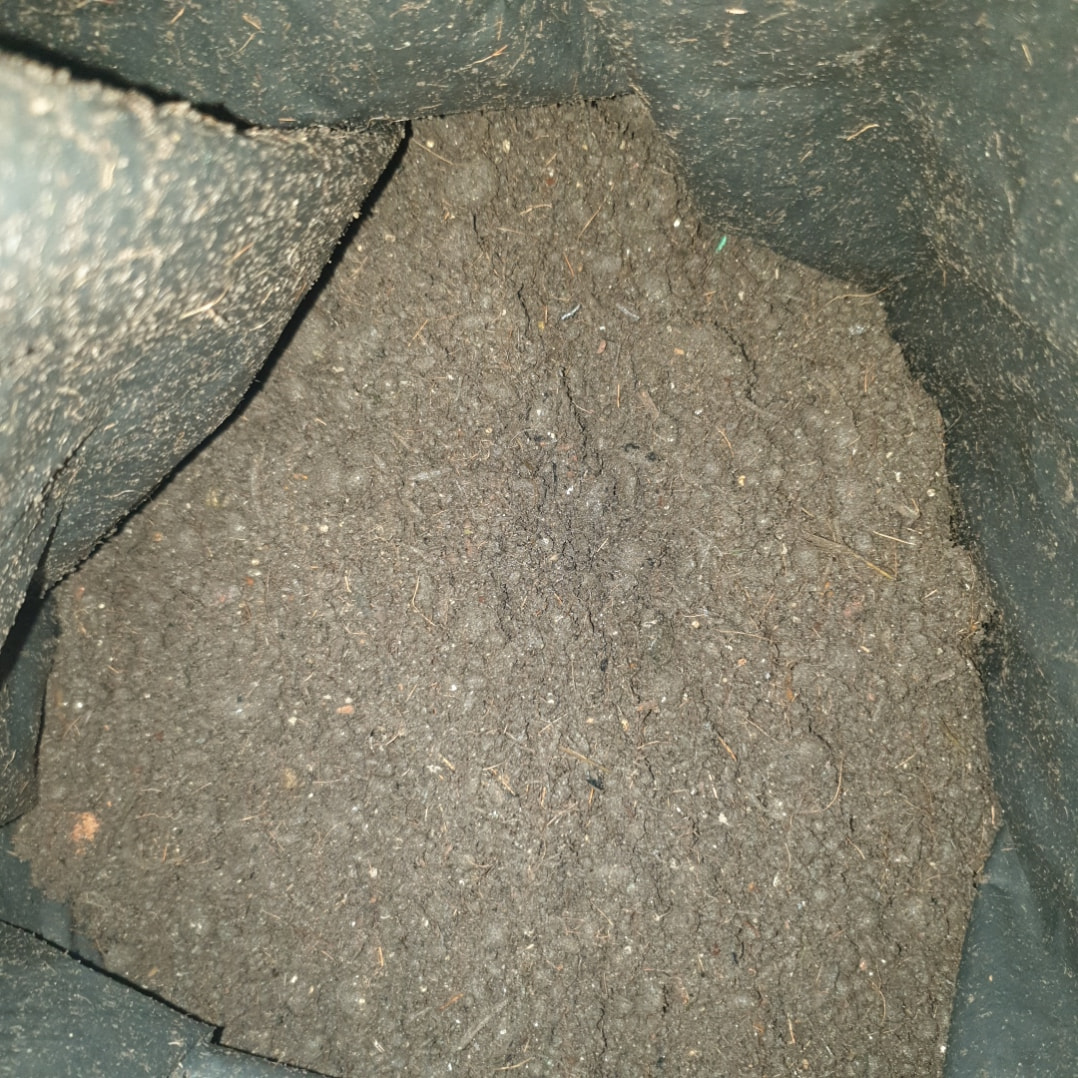
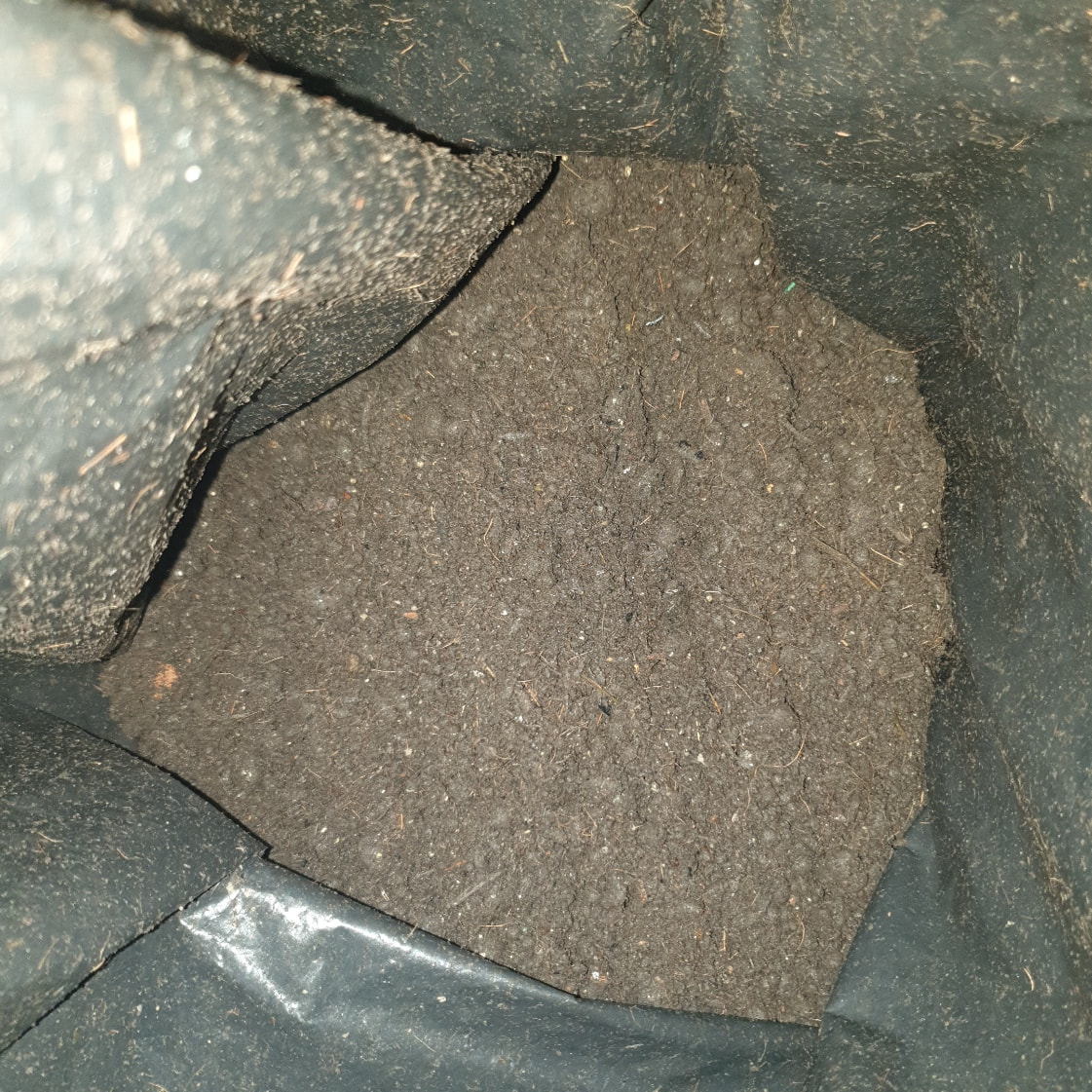
The compost already looks really good. I’m excited to see how the plants will grow with it.
Thanks for setting me straight. I’ll read it again.
Sure, friend, it might interest you to put certain plants, condiments, or things in the compost, although I told you before so you could see that it’s not the same in the sense that I have almost 100 different ingredients; if a plant touches my compost, it dies, it’s for another aggressive function to awaken genes, not to feed it, take a good look, it’s very interesting.

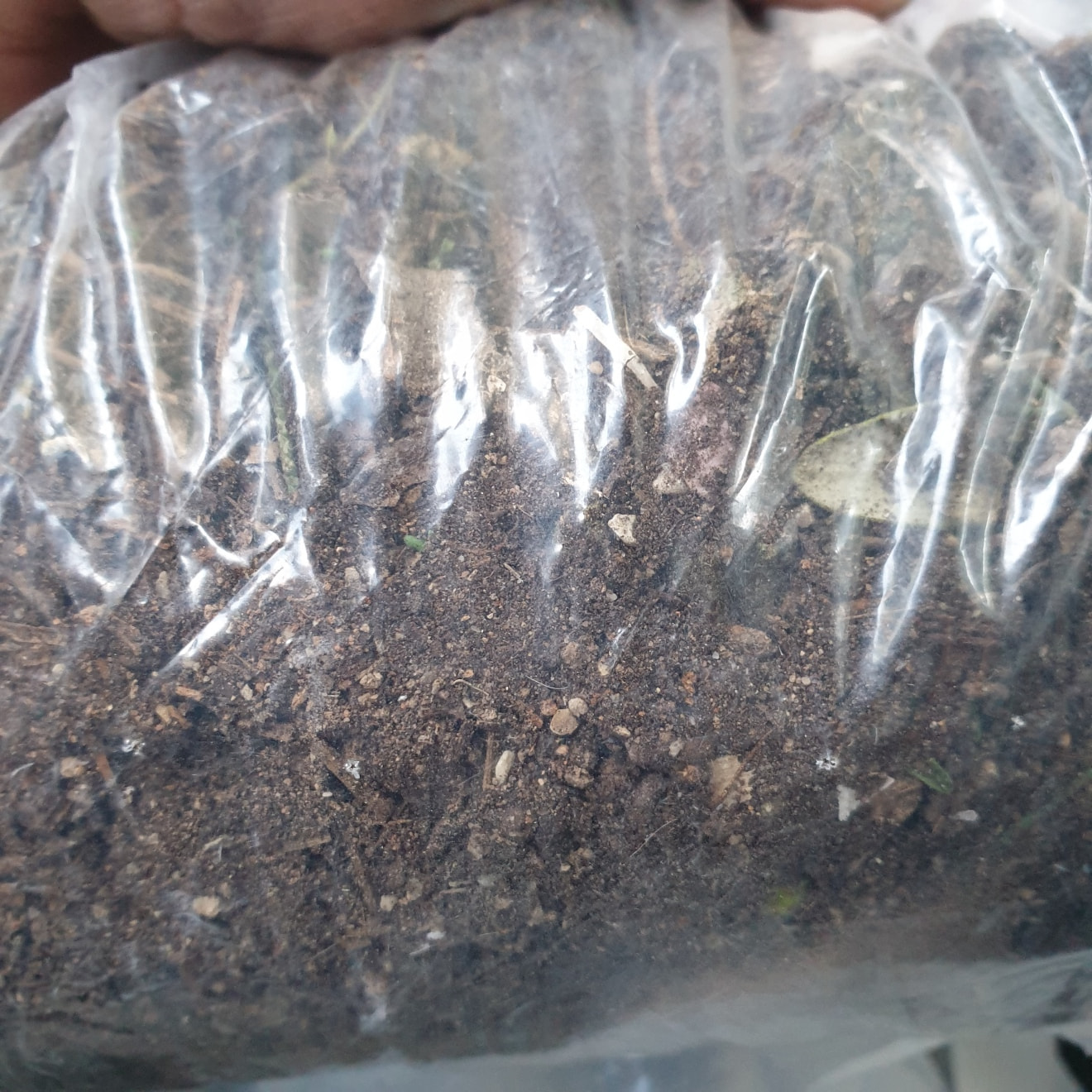
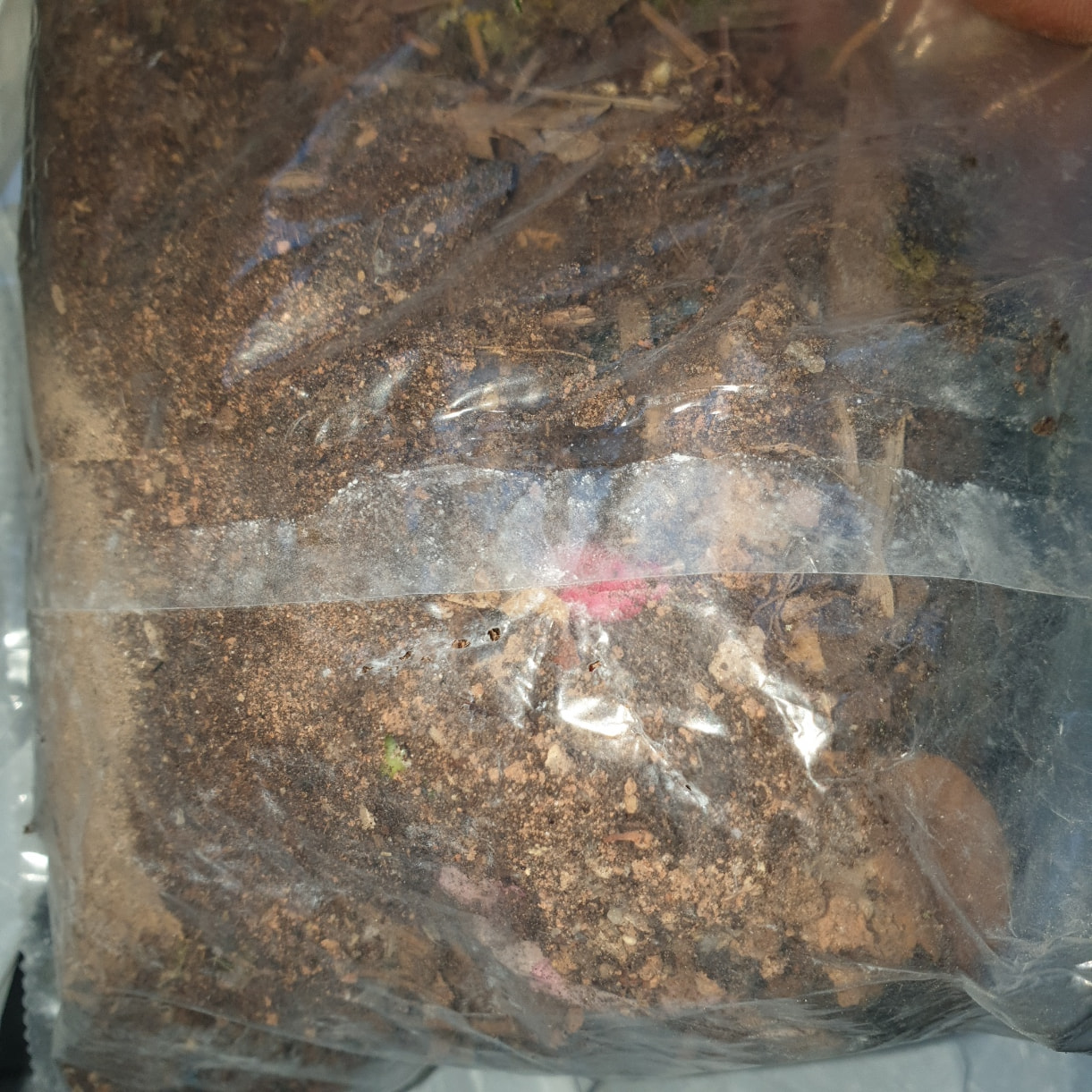
Today, luckily, I was able to walk through a park/sanctuary for native birds, I found everything, so I’m very happy. In addition to herbs, trees, bushes, hedges, reeds, moss, collecting at least a little of each plant/tree and even fruits, seeds, empty snail shells, etc.
I was able to collect soil and substrate samples from under the mulch from many different areas of the park where each of those plants naturally composted over the years, such as living forest soil, soil from abandoned anthills, etc., etc., etc. This will provide me with an enormous amount of microorganisms and new matter, bark from various trees already composted, etc. There must already be more than 120 plant ingredients.
I found a list of cannabis terpenes here, with their flavors, the plants that produce them, and their effects.
- Myrcene = Earthy, Nutmeg, Herbal
Occurrence: Mango, Hops, Lemongrass, Thyme
Effect: relaxing, calming, sedating
- Limonene = Citrus, Fresh, Fruity
Occurrence: Lemons, Oranges, Grapefruit, Juniper
Effect: mood-enhancing, stress-reducing, anti-anxiety
- Caryophyllene = Spicy, Peppery, Woody
Occurrence: Black Pepper, Clove, Cinnamon, Basil
Effect: anti-inflammatory, pain-relieving, anxiolytic
- Pinene = Pine, Resinous, Fresh
Occurrence: Pine trees, Rosemary, Dill, Parsley
Effect: awakening, concentrating, anti-inflammatory
- Linalool = Floral, Lavender, Sweet
Occurrence: Lavender, Coriander, Birch, Bay
Effect: calming, sleep-promoting, antispasmodic
- Humulene = Earthy, Woody, Hoppy
Occurrence: Hops, Coriander, Black Pepper
Effect: appetite-suppressing, anti-inflammatory, antibacterial
- Bisabolol = Floral, Gentle, Sweetish
Occurrence: Chamomile, Candela tree, Lavender
Effect: anti-inflammatory, skin-soothing, antibacterial
- Terpinolene = Herbal, Fresh, Sweet
Occurrence: Lilac, Apple, Cumin, Teatree
Effect: mood-enhancing, antioxidant, antimicrobial
- Ocimene = Sweet, Floral, Citrus
Occurrence: Orchids, Parsley, Basil
Effect: energizing, stress-relieving, antibacterial
- Nerolidol = Floral, Rosy, Woody
Occurrence: Roses, Teatree, Ginger
Effect: calming, antioxidant, skin-caring
Wow, you’re awesome @herr_gruen that will help me a lot, I have to check them all and see what can help achieve or increase them, that info is truly incredible, I didn’t even know half of the most common ones.
Our friend @ICHOPZZ3 also composts, though like you for fertilizing. I read that pinene and limonene manage to increase the aroma of varieties with these aromas, because compost from plants that produce limonene makes the plant believe it is surrounded by pines, etc., and it copies or increases the smell, I don’t remember, but it said that’s where marijuana got those smells, from the environment.
You could try a variety high in those terpenes and compost with a lot of concentrated plants that contain pinene or limonene, which are easy to get, right?
Also, I remembered a modern documentary I saw a year or more ago about something similar but in corn crops and pests. It turns out that, contrary to marijuana, depending on which pest was devouring them, they emitted a fragrance that attracted other predatory insects to eat the pests, and they obviously demonstrated it in the documentary, it was very, very good, it was on YouTube.
So many things come to mind to try, the idea of composting plants with similar concentrated terpenes and avoiding others, to maximize them, I imagine that in any wild environment where landrace strains grew, the terpenes would always be the same, from the plant that dominates the region the most, like pine forests. Perhaps mixing several in the substrate would be counterproductive because none would dominate?

I planted these tobacco plants a couple of years ago with the intention of using them as a mulch. I did an open pollination with the MAC V2 strain which had a hint of tobacco smell to them at least I thought they did at the time. I just haven’t gotten around to it. Too busy growing other things. I was wondering how many plants do you think you’ll have to run to find these recessive genes? I like flavorful weed. The seeds I grow from Night Owl Seeds never disappoint. I have a seedling that I’m growing the Banana OG F4 auto and I’m following along in their discord and other growers are saying that they’re getting cucumber and banana terpes from theirs. I know I would like a cucumber lime flavor. I have a few landrace strains that I purchased but haven’t popped them yet. I got them from MSNL Seeds.
I’ve been thinking for a while about how I can still influence terpene formation now. Since I am on flowering day 36 today, planting companion plants is no longer an option. Seeds would take too long to grow, and introducing an already grown plant would damage the roots of the cannabis plant, which would be rather counterproductive at this stage. If you look at the list of companion plants that would be an option, mint catches my eye. Plants also communicate via scents, which are called olfactory signals. Now I’m considering cutting a few branches from a mint plant and placing them in a water container that then goes into the tent. This way, the mint would emit its scent, which the other plants would perceive and thus should react to the signals. I will look around in the coming days and get some mint for a test. For the next cultivation, I will try to get seeds of chamomile, yarrow, and/or mint; everything grows near me.
The root system on a mint plant is very strong and can choke things in a pot with it in my experience so watch carefully for anything like that happening
Good point, but I only put them in a water container. It’s only about the scents they emit.
Wouldn’t a few lavender branches, maybe rosemary, also be an option? They smell great too 
Or cloves?
I’m not sure about that, some plants communicate via scents, others via roots. I was in the forest earlier, wanted to collect blueberries, but there aren’t really any right now. Probably due to the dry weather at the beginning of the year. Instead, I found this
fresh mint. So, into a glass with water and nicely placed next to the Green Gelato. This strain is supposed to have something with mint terpenes crossed into it. While doing that, I immediately zoomed in on a bud with my phone. Later I’ll unpack the microscope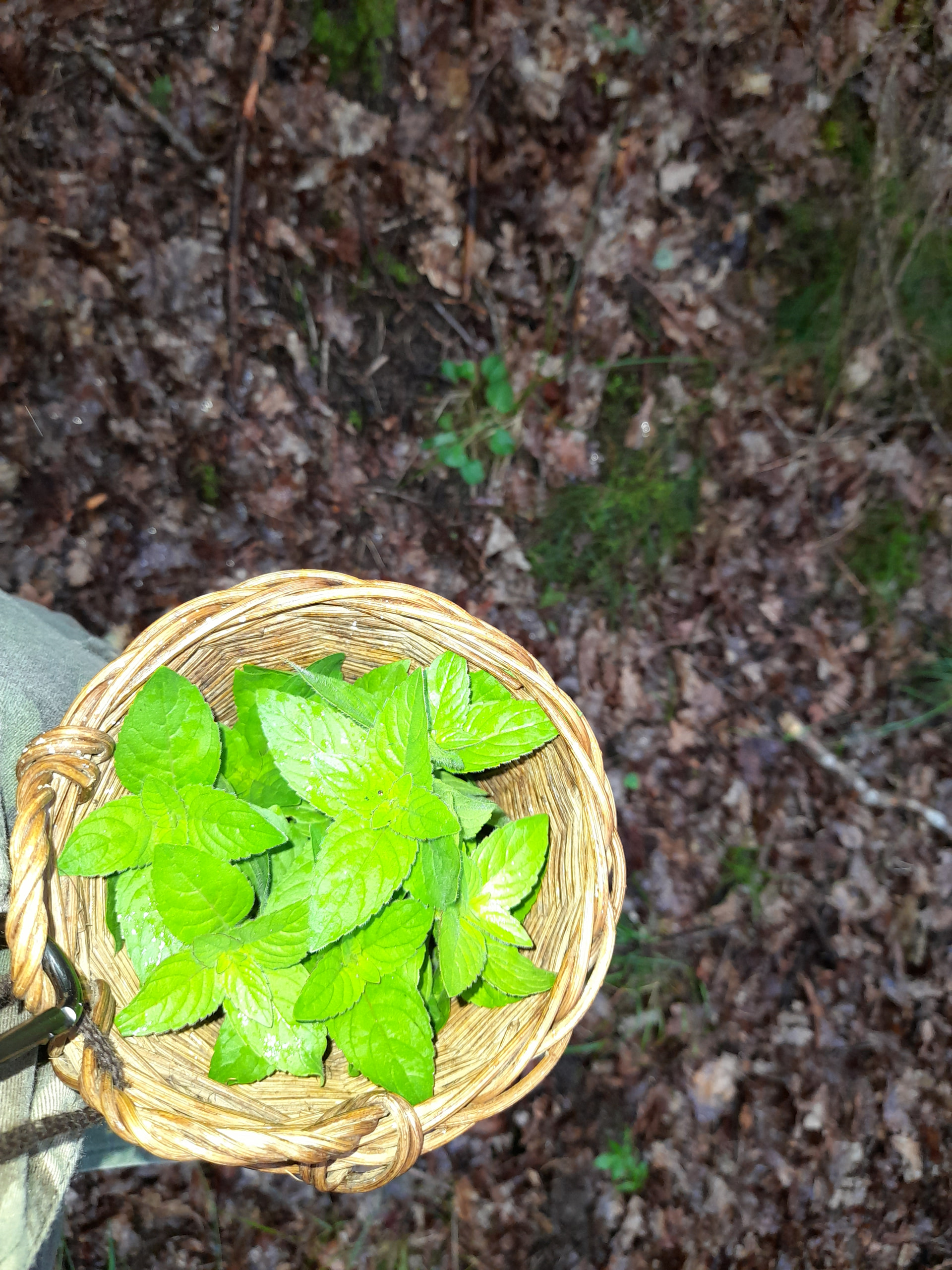
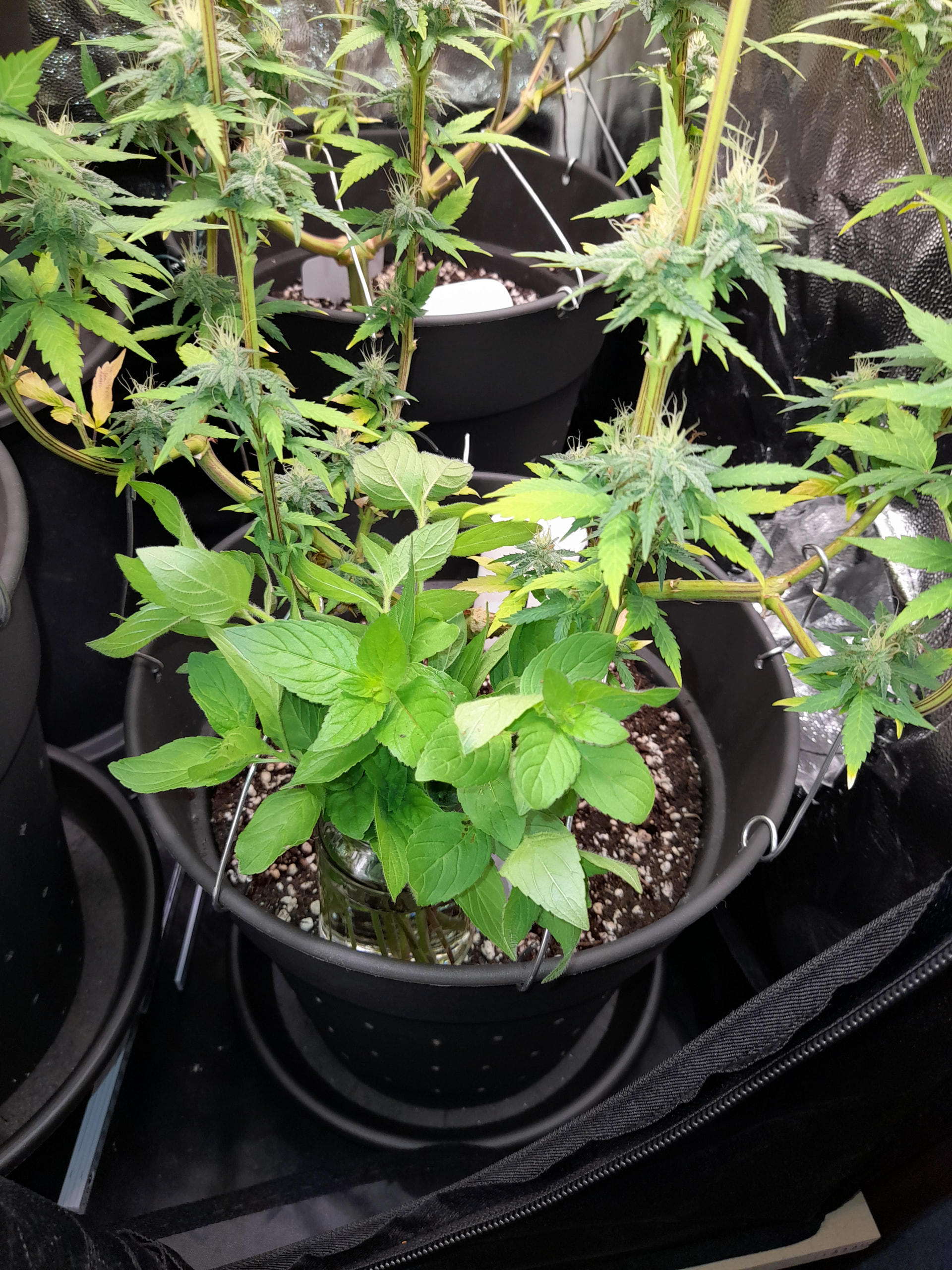

 and examine it more closely, it didn’t look bad at first.
I want to wait to know how your plants react to mint, I also read the same thing, they react to smells, and they even imitate them. What I don’t know is if it should be from seed so that the plant already adapts to the environment, or during flowering. We’ll have to keep trying. I imagine that in flower, insects work better since it’s the only “fast” action the plant has to react quickly. I would really like to know how that turns out.
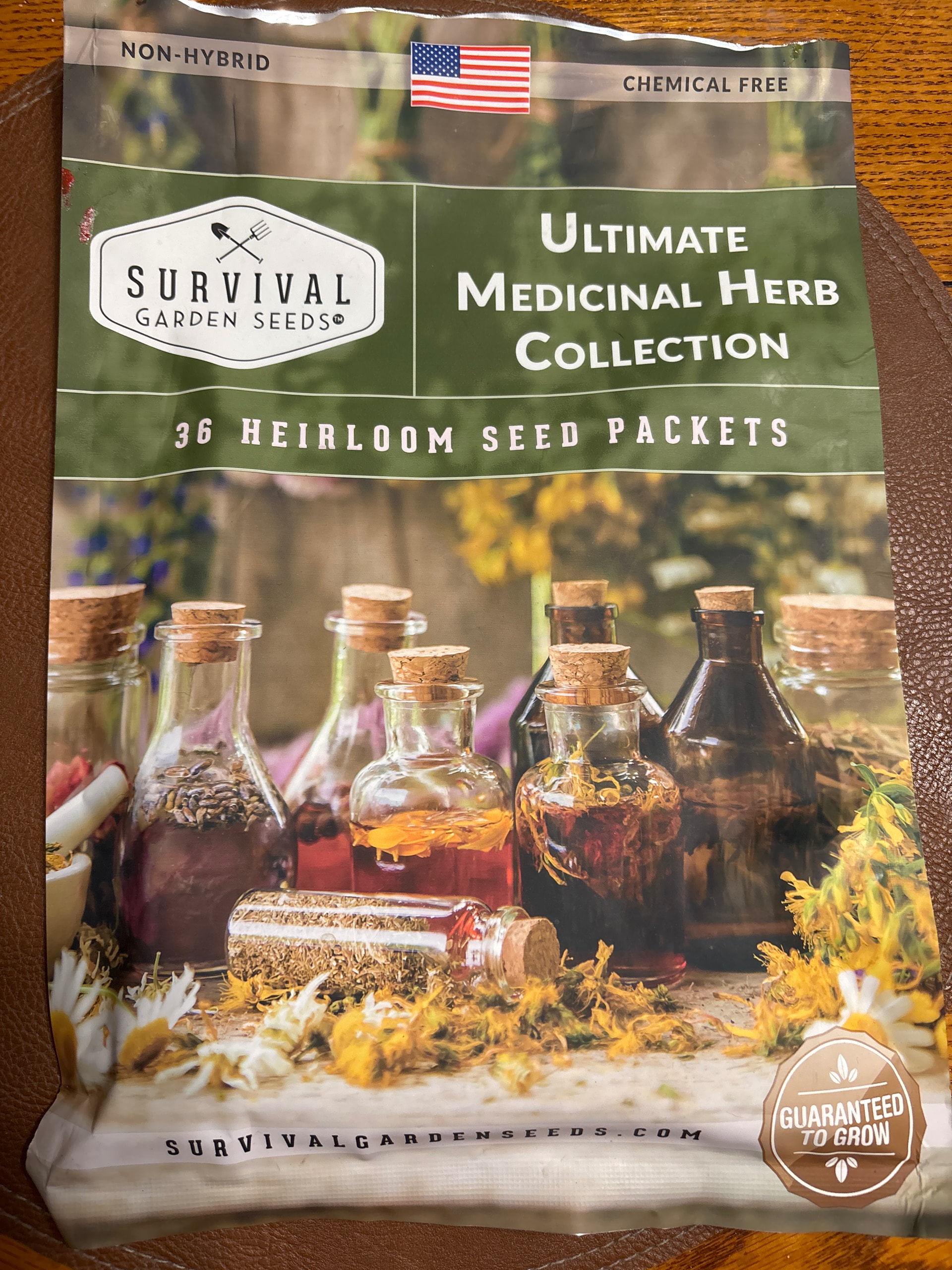
I picked these seeds up on Amazon for companion plants and also for mulching and teas. I also have two types of mint in my yard. One is much stronger than the other. I also have an organic mint oil which I use to add to water and spray if I see any signs of rodents. I can spray some on my tent floor, but the strain I’m growing is the Banana Brawler on day 10 of flower and I never grew it before, so how would I be able to tell if the scent has any effect.
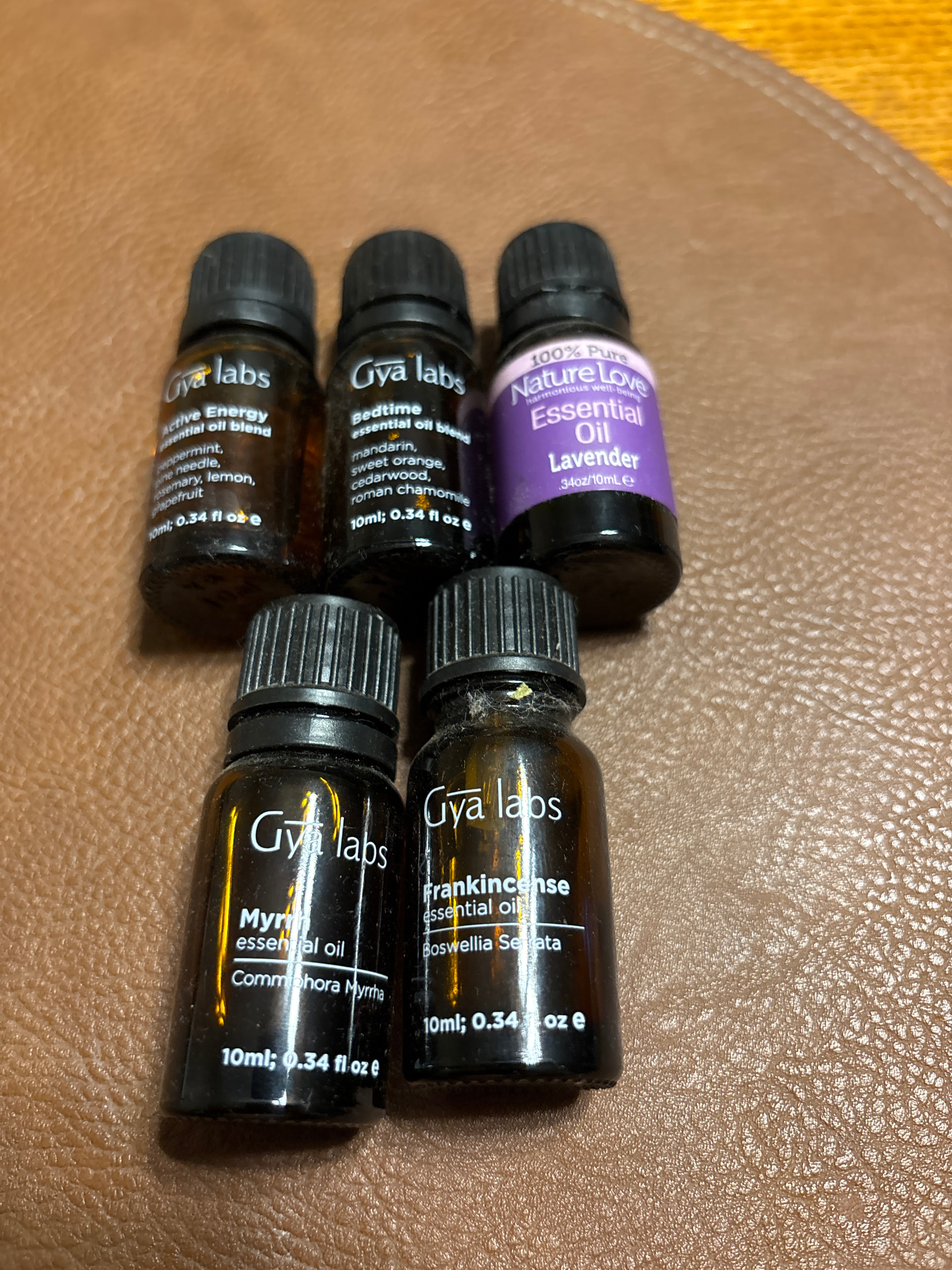
I also have these essential oils that are supposed to be all natural I can put some on a cotton ball and place it in the pot.
I currently have the Dutch Clover in the pots as a companion plant since early veg and I was thinking about adding some oyster mushrooms to the pots since the canopy is so dense. I picked up one of those Back To The Roots mushroom kits.