Plant Hormonal Manipulation Technique

working team:

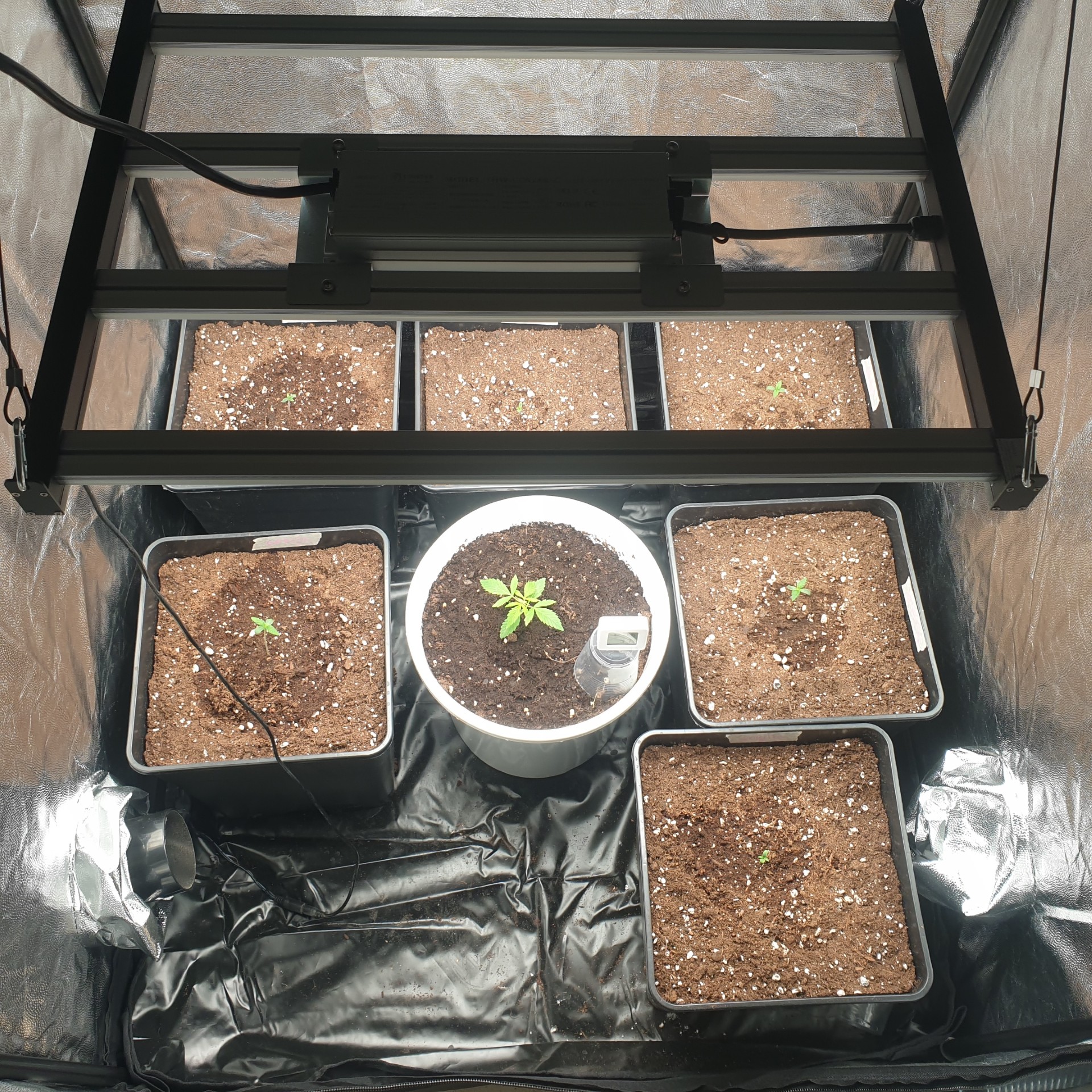
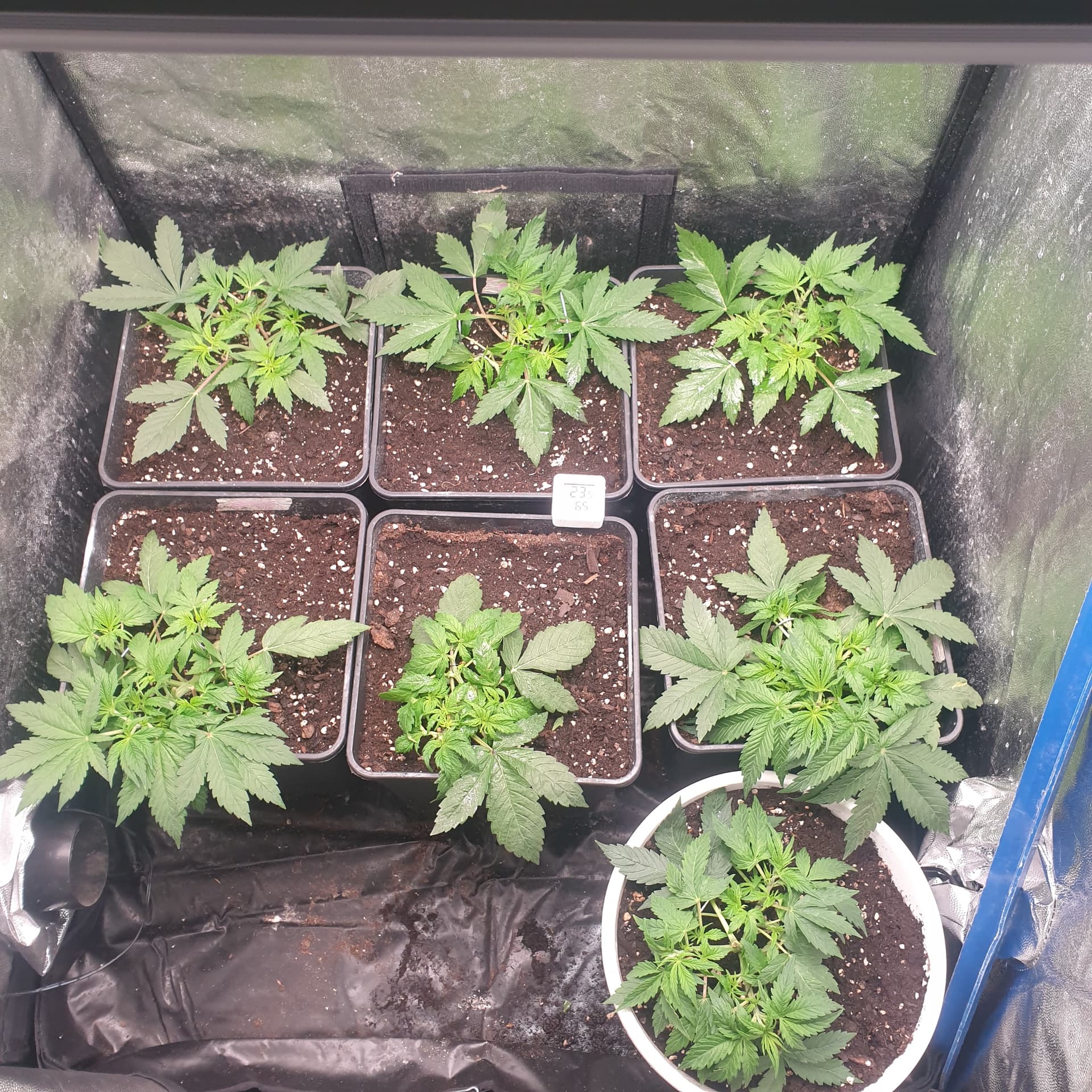
cultivation tent 80 80 180 cm.
LED lighting 45W Development and growth.
LED lighting 240w Flowering (240 W Astronaut with UVA and IR).
adjustable air intake and exhaust 2x24w.
2-speed fan 20*20cm for air circulation.
pots 6
*11L.
Atami substrate Janeco Light Mix Atami.
Top Crop fertilizers, Deep Underground+Topveg+Topboom.

Hormones to use:
auxins, obtained from lentil germination.
cytokinins: 6KT Kinetin 6-Furfuryl Amin Cytokinin (promote cell division)
gibberellins: gibberellic acid (promote cell elongation)

varieties:

Auto Mamba Negra Feminized

Gorilla Fast Version Feminized

time of year: autumn, 1 month before winter, exterior climate Cold/temperate, medium/high humidity (although it is indoor cultivation, the exterior environment influences)

seeds will be placed in substrate on 17-11-25.

2 of them will be used as controls, without hormonal treatments.

4 of them will be hormonally treated almost from germination.

the planned calendar is as follows:

germination: 2-10 days
seedling: 7 days

here we begin to use rooting agents (Top Crop, Deep Underground)

first leaves: 7-14 days

here we begin to use rooting agent+growth (Deep Underground + Topveg)

final size: 28-42 days
here we could use cytokinins + auxins to increase the number of shoots (it is recommended to apply between 250cc and 500cc per 100 liters of water, for example 0.35ml foliar for strawberries)
*gibberellin inhibitors (cytokinins) prevent the plant from growing tall and encourage more shoots at the optimal point we desire
leaf growth, flower development: 35 days
This is when the growth explosion occurs and the plant needs to be supported with more nitrogen
Using more phosphorus or potassium at this stage will force the plant to focus more on bud production rather than growth.
however, yields can suffer greatly if you do not let the plant grow to its full potential.
flower appearance: 42 days. here we can use gibberellins+cytokinins in low doses and gradually increase to improve fruits

Here we start using flowering fertilizer
additionally, we could try girdling some branches.
here we should apply gibberellins and cytokinins to increase the length and width of the flowers

pruning: remove excess leaves so that more light reaches the lower parts of the plant

growth and flowering stop: 49-63 full doses of flowering fertilizer
we will apply cytokinins when we no longer want more height and instead more shoots, continue flowering fertilizers until day 63

pruning: If the plant develops small buds in the lower parts, it is necessary to defoliate again

end of plant life cycle: 70-77 days Water only. Yellow leaves

experiment interest:
to know if we can apply knowledge from agro-engineering studies used in fields to improve harvests of food products and their fruits, both in quantity and quality, by naturally altering the amount of hormones at key moments of the plant’s life to redistribute resources as convenient, for example:

+Reduce the space between nodes of the main stem, i.e., the space between shoots/branches.

***+Break the plant’s natural apical dominance, achieving dwarf (small) plants but with the same or better production

  • Increase the number of flowers***

+increase the length and width of flowers (cell elongation)

***+increase the weight and consistency of flowers (cell division)
+increase and facilitate the process of sugar creation for fruits (cell elongation)

conclusions on the theory:***
*conclusions.

during growth in the first days or weeks we can use gibberellins which promote cell elongation (larger cells) to achieve rapid development, then when we no longer want more height, we should use a gibberellin inhibitor (cytokinins) to prevent elongation as they stop the apical dominance caused by gibberellins, to curb height growth, and thus increase the number of shoots and reduce the distance between nodes, then once flowering has begun, we can use gibberellins again but this time together with cytokinins to increase the thickness of the fruits by stimulating cell elongation and division, making fruits larger, denser and heavier, and more loaded with sugars.

difficulties:
we do not know the quantities to use, and we only have a guide for the doses to use (for other plants, such as strawberries, tomatoes, lettuces, etc)

we do not know the key moments to apply them for sure, we only have the theory
we know that an excess of X hormone normally generates the opposite effect to what we seek, which makes the experiment risky for the harvest
*
advantages:**
it could be a very innovative step towards a new type of biological and natural cultivation, even commercially, since grow shops and stores do not currently sell these products, nor are there guides or doses available, usually these topics are only dealt with by agricultural engineers and are applied in several hectares for the massive production of food.**

having said all this, I accept any type of help, from free seeds, to new varieties, substrates, or any help that allows me to increase the number of attempts/experiments,***

although what I would value most is for other cultivators to join me in experimenting with hormonal treatments and sharing information so that together we can calibrate everything

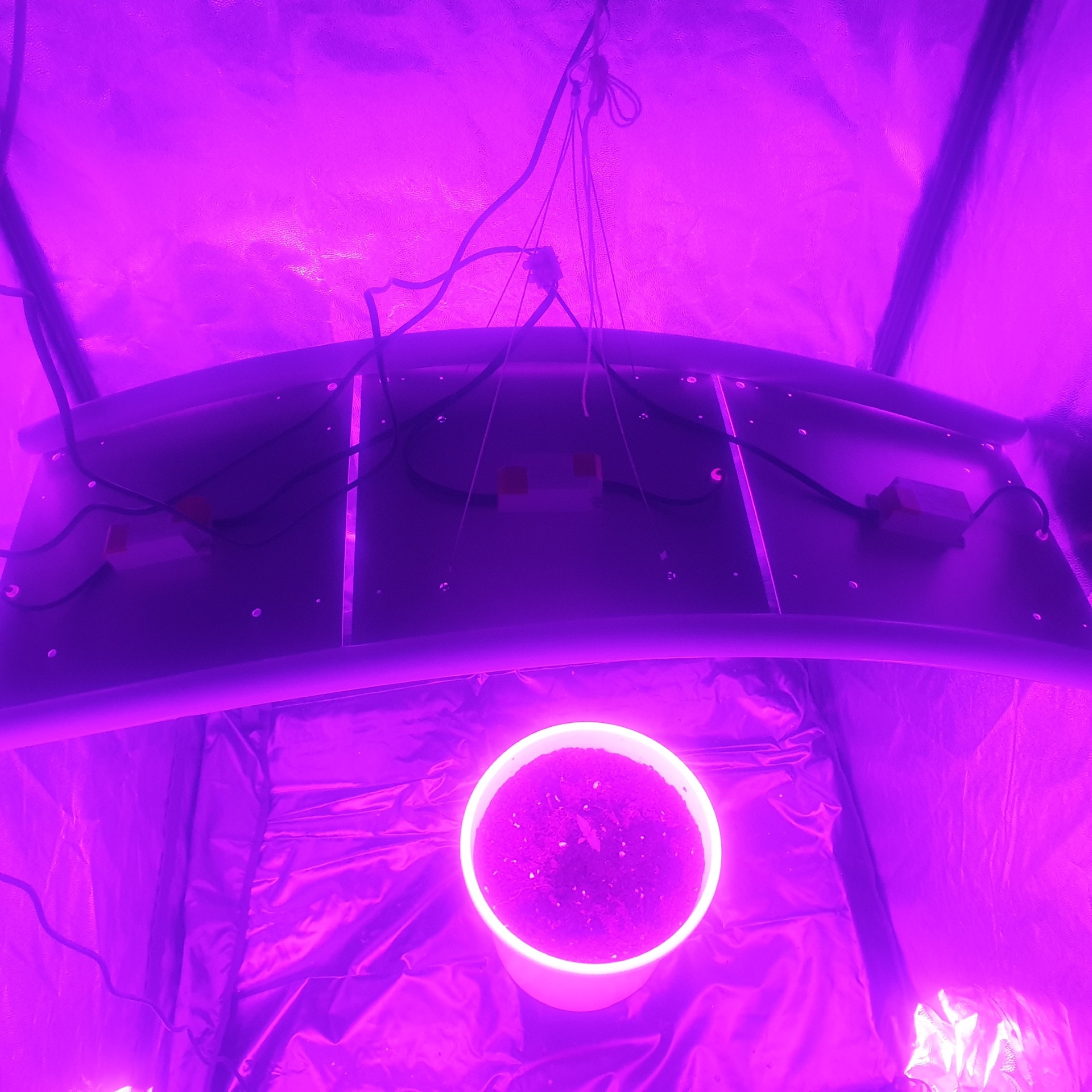
5 Likes

2 Likes

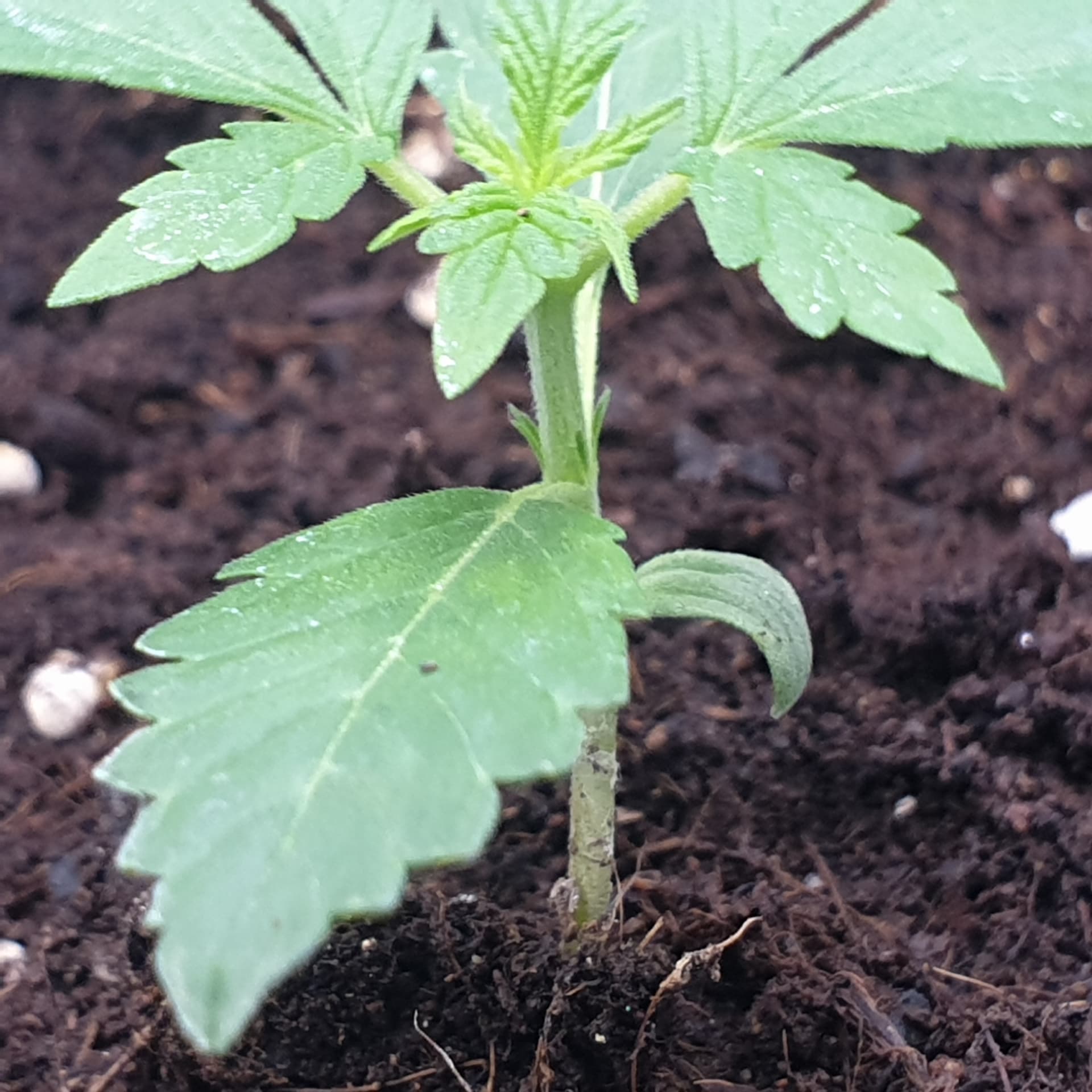
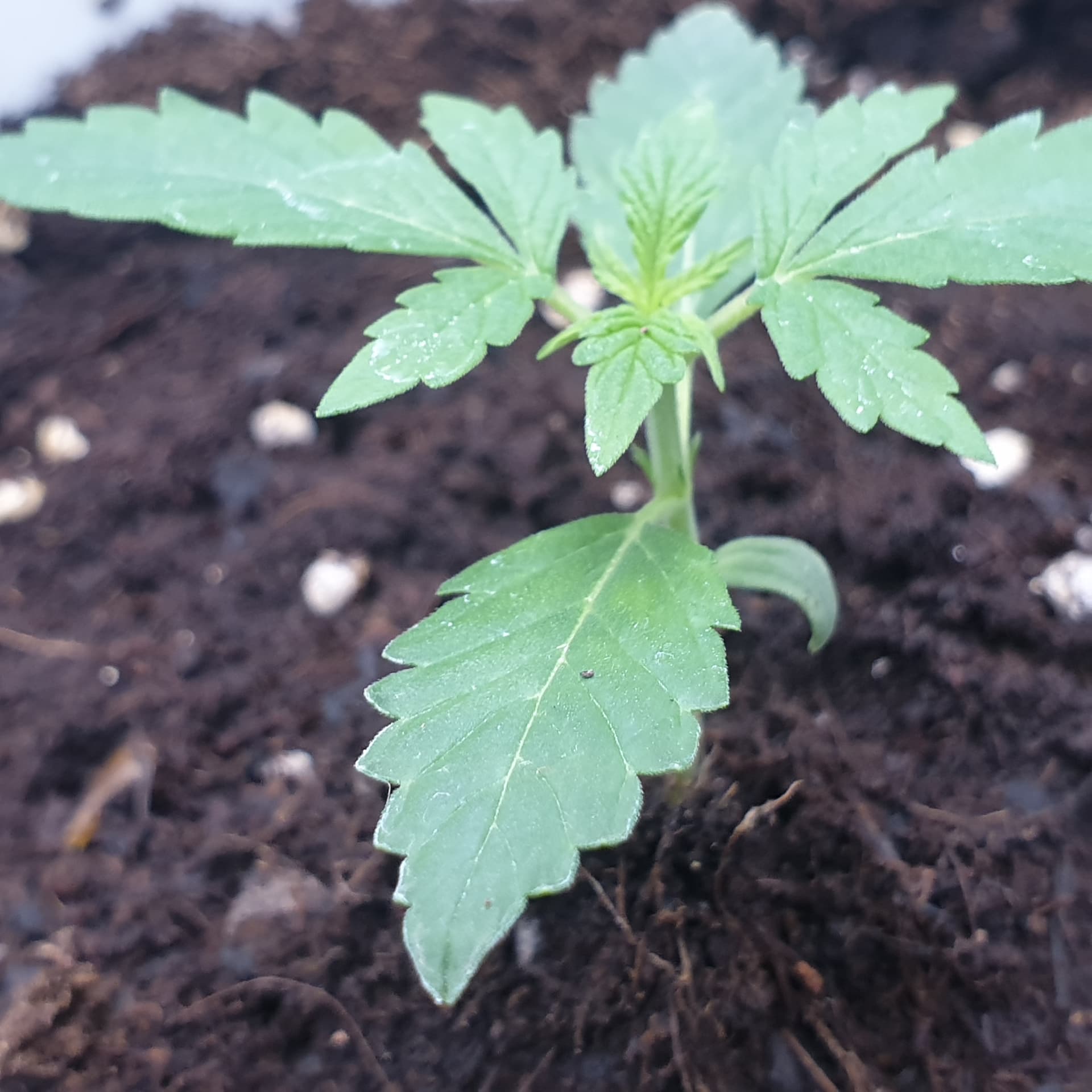
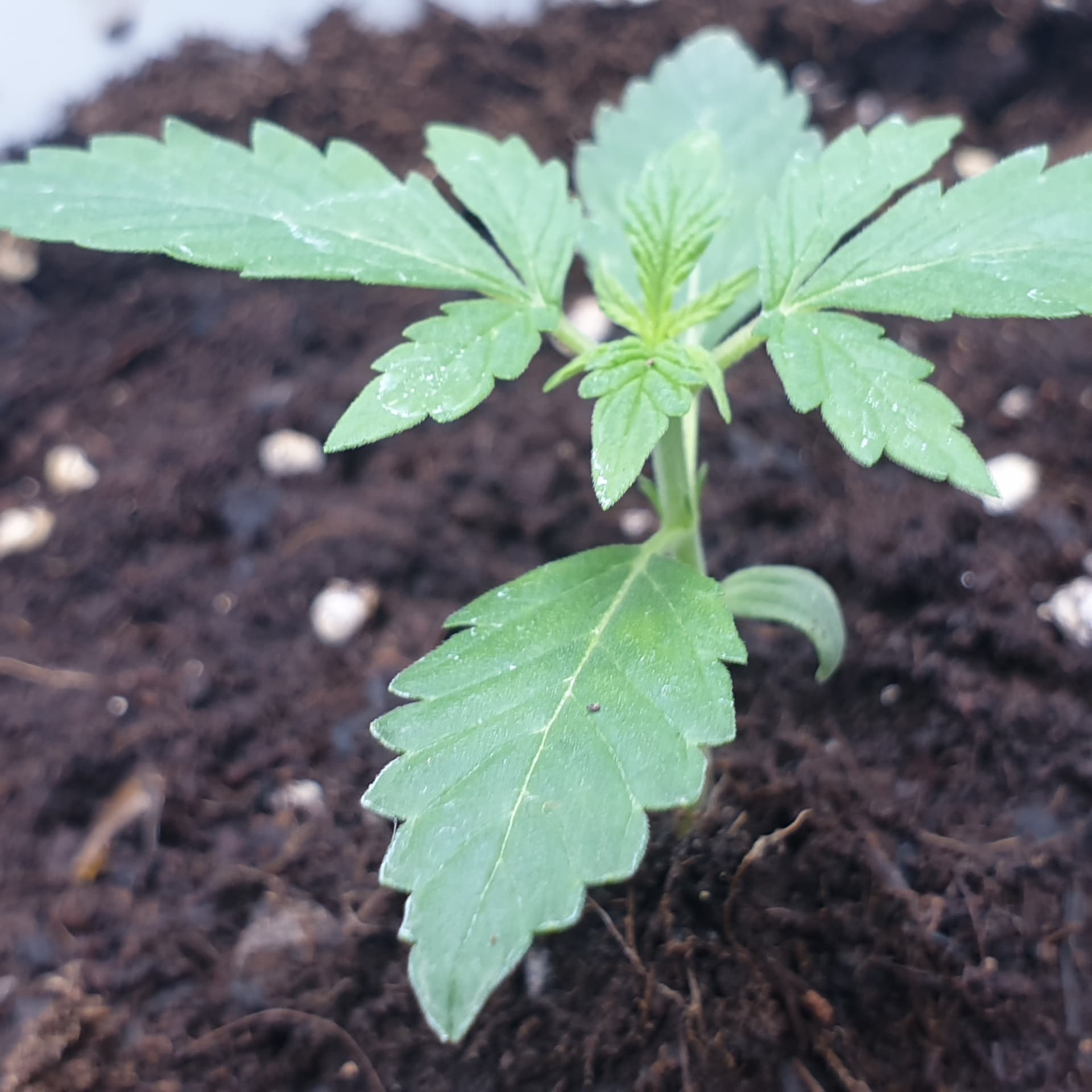
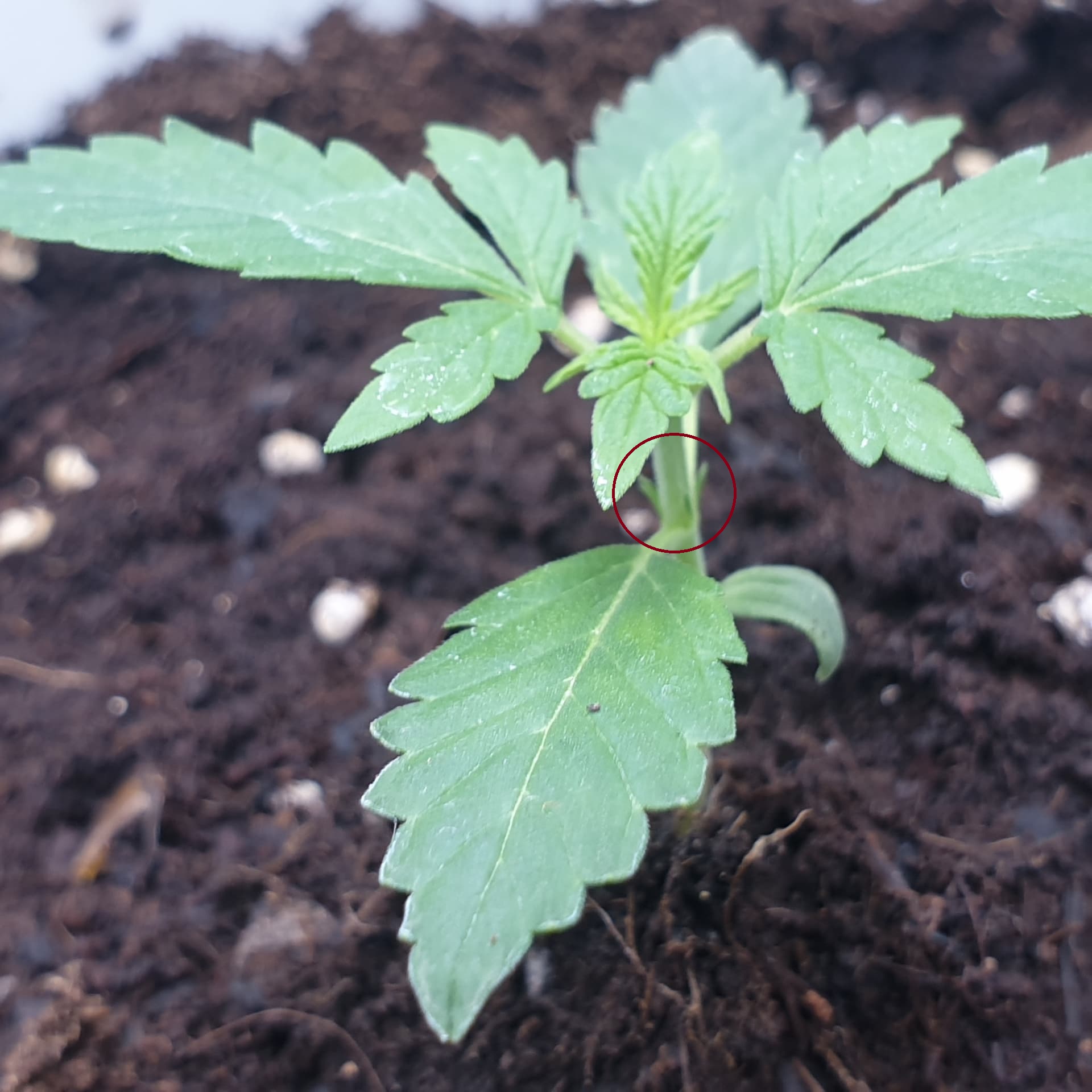
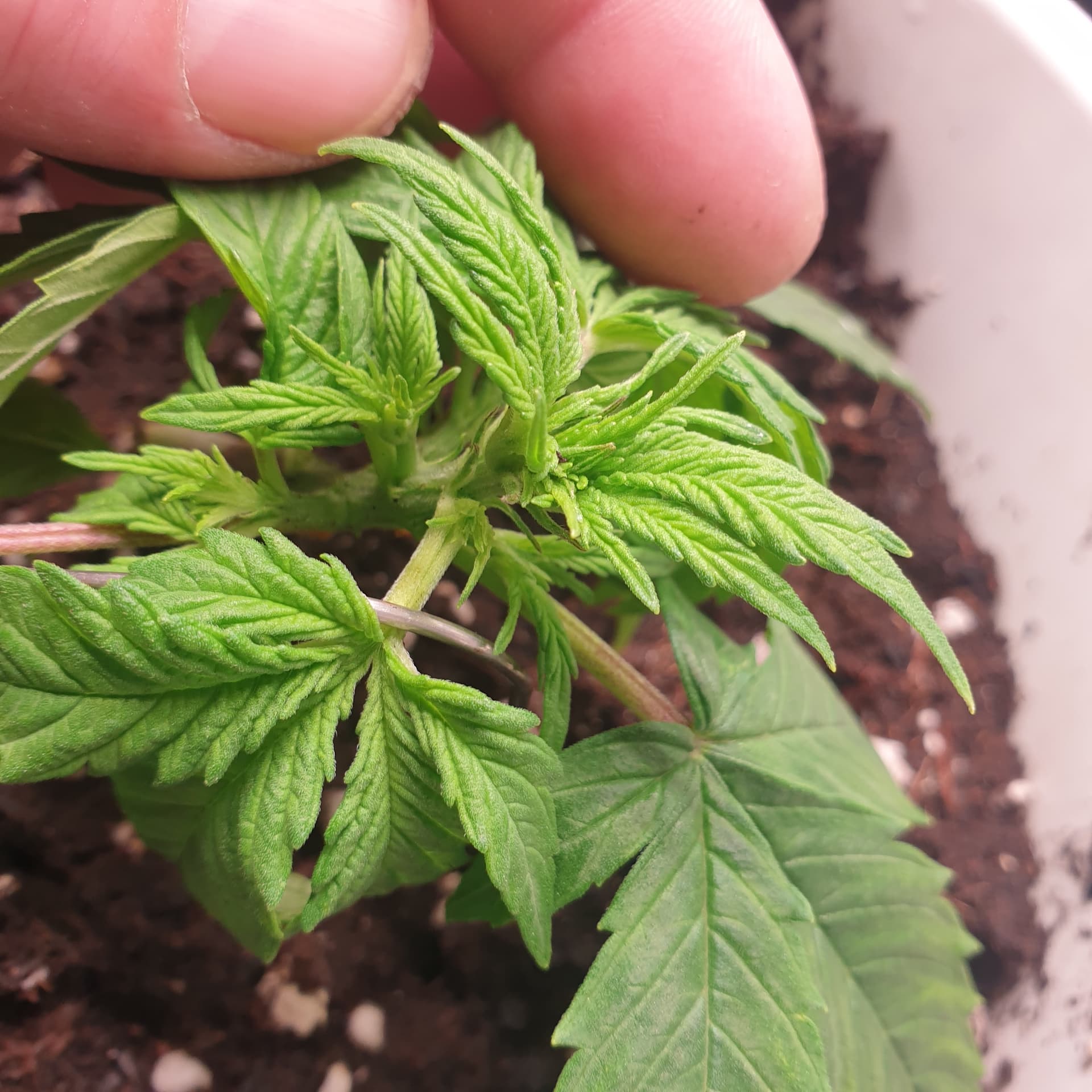
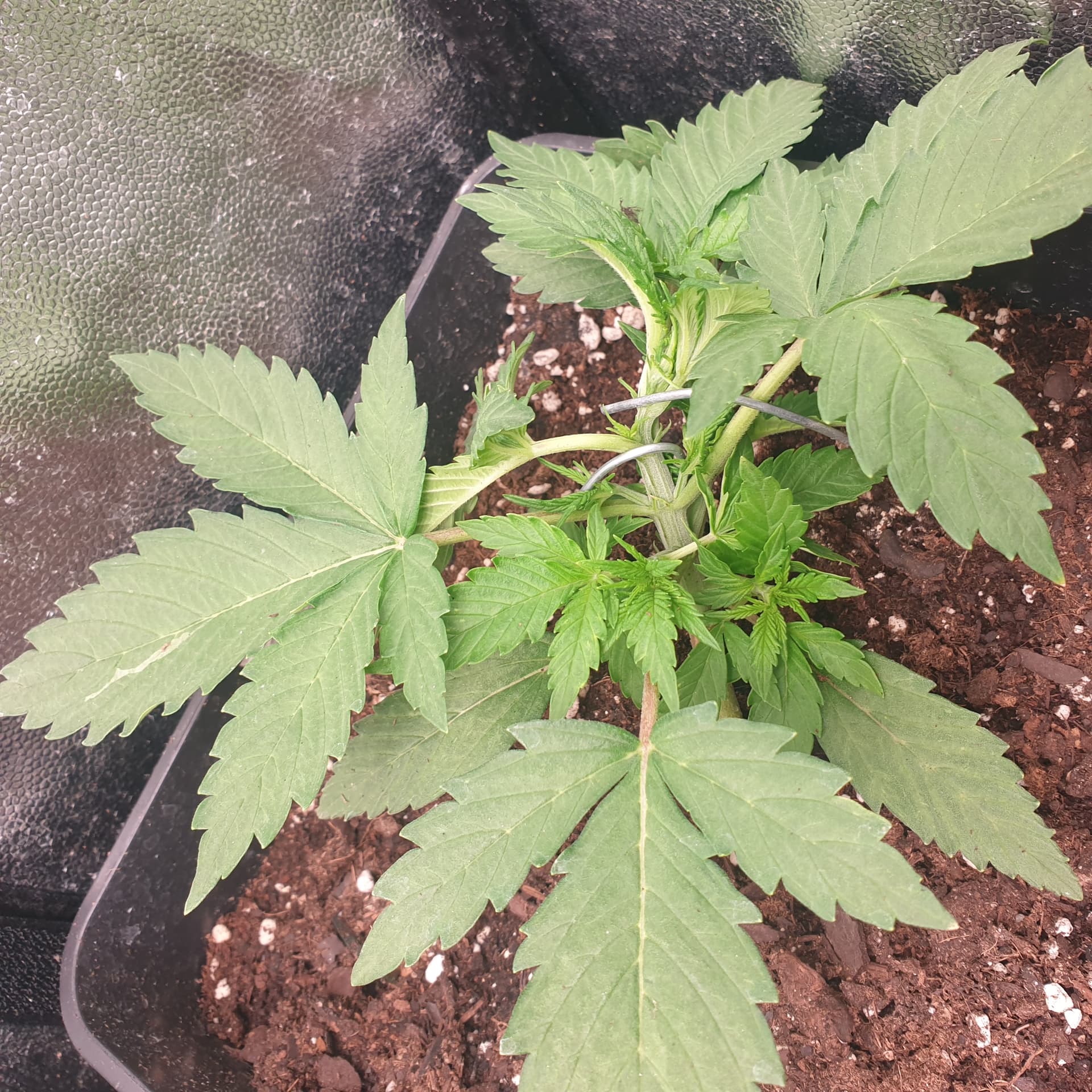
Shoots on the cotyledons after cytokinin application

2 Likes

2 Likes

![20251126_150038|500x500](upload://2bhckVBxqdKIc5rxlNXriUHTg

2 Likes

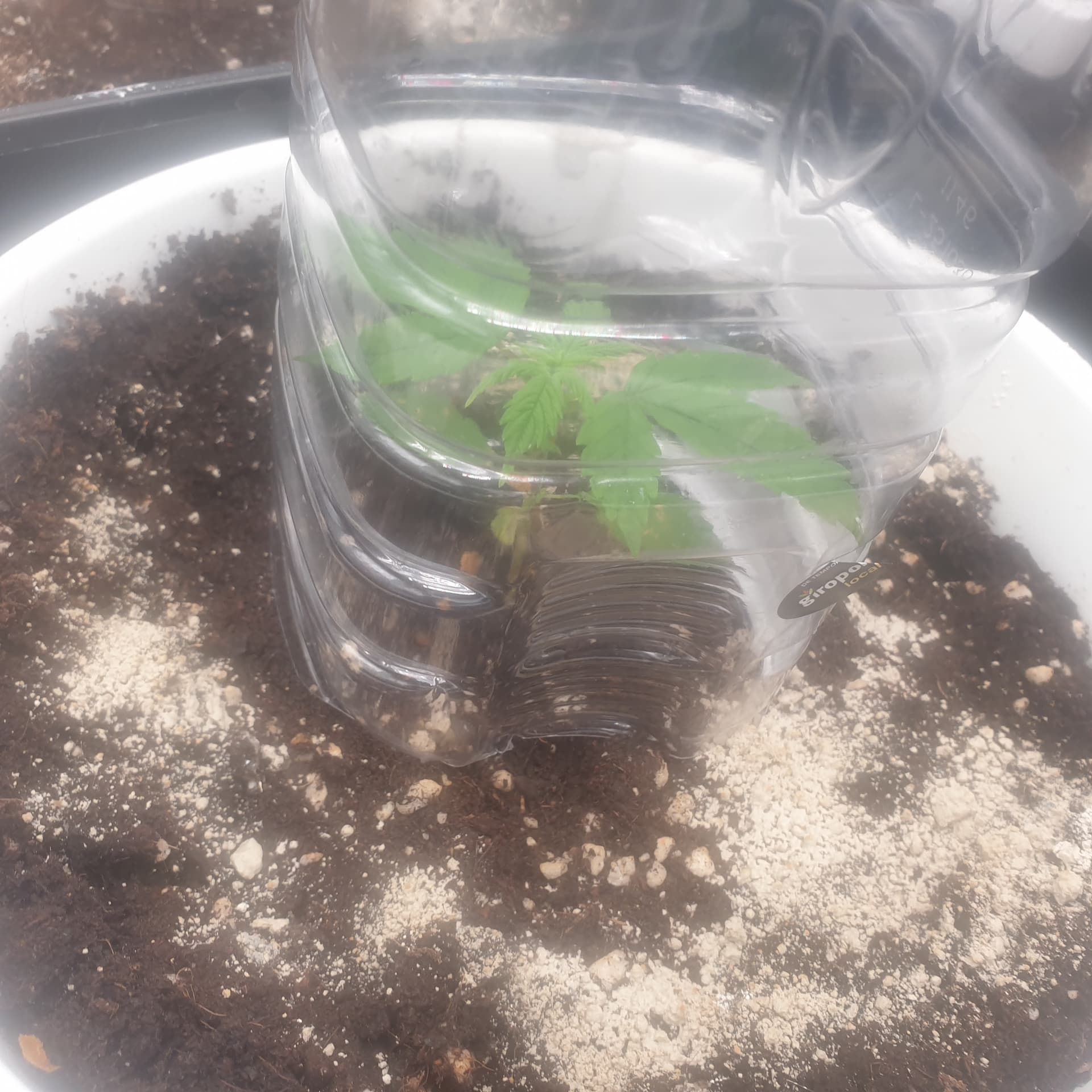
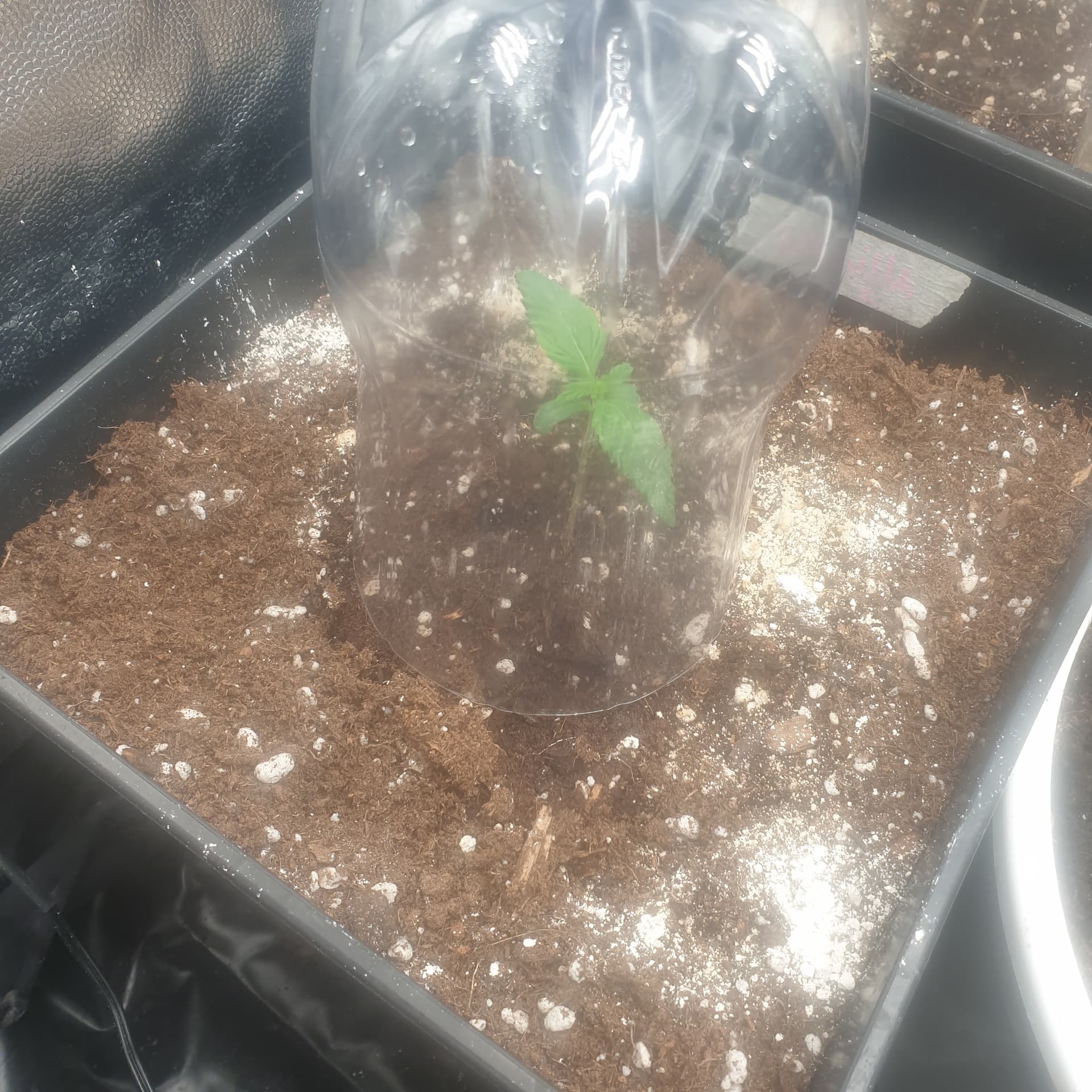
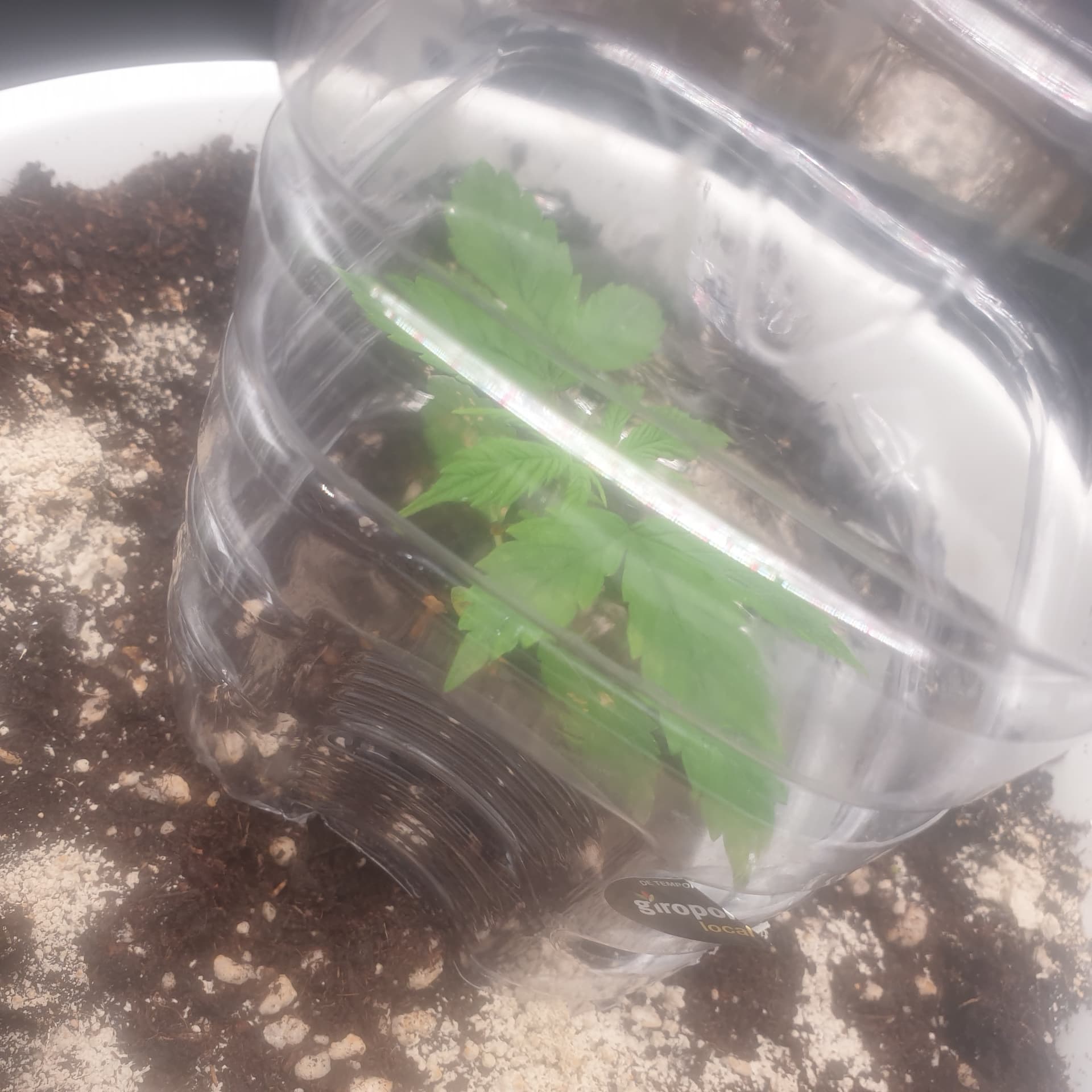
Take plastic cups and poke a few small holes in the bottom. Then place them like small domes over the seedlings. This way you get the humidity high enough for the little ones.

3 Likes

Done, thanks for the advice
2 Likes

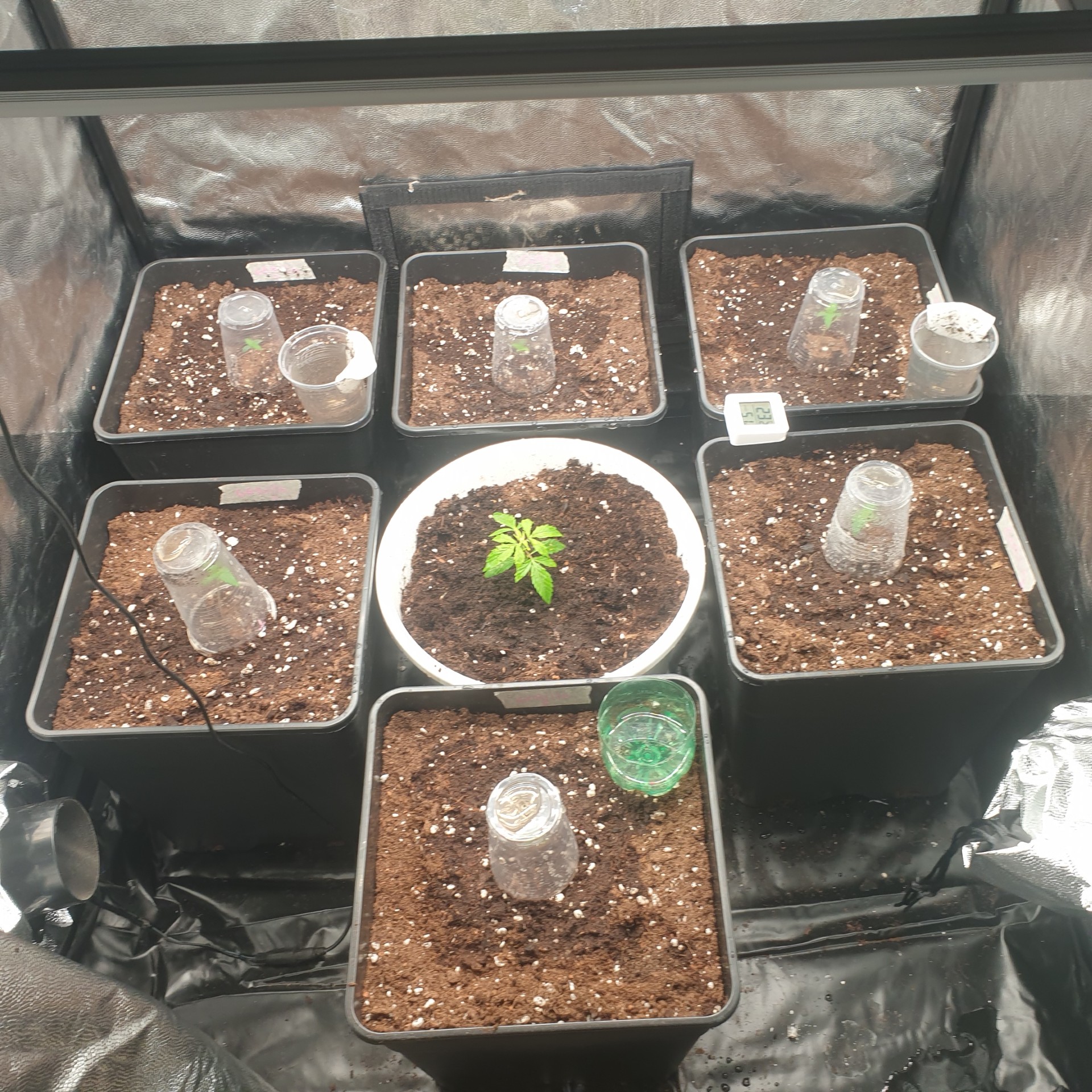
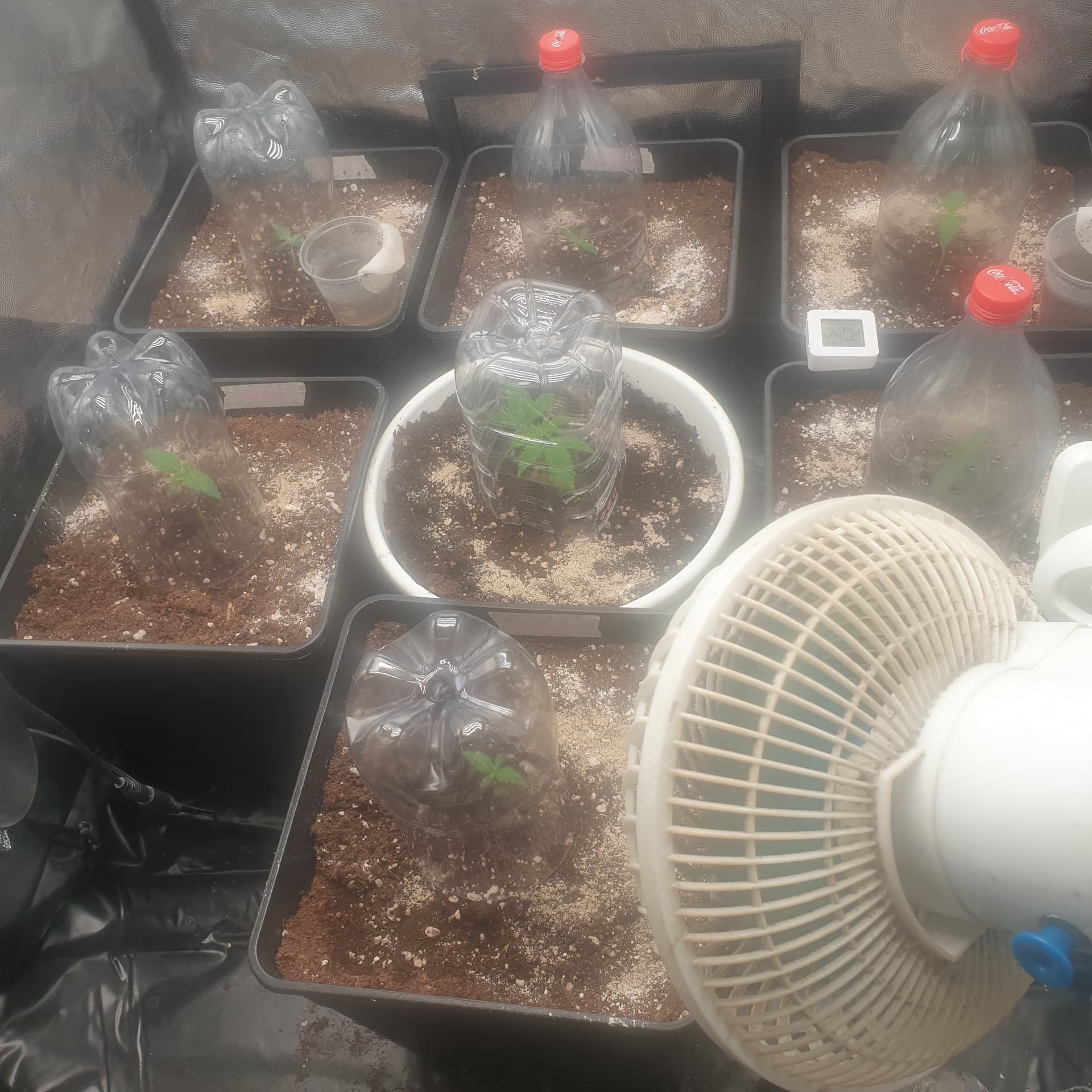
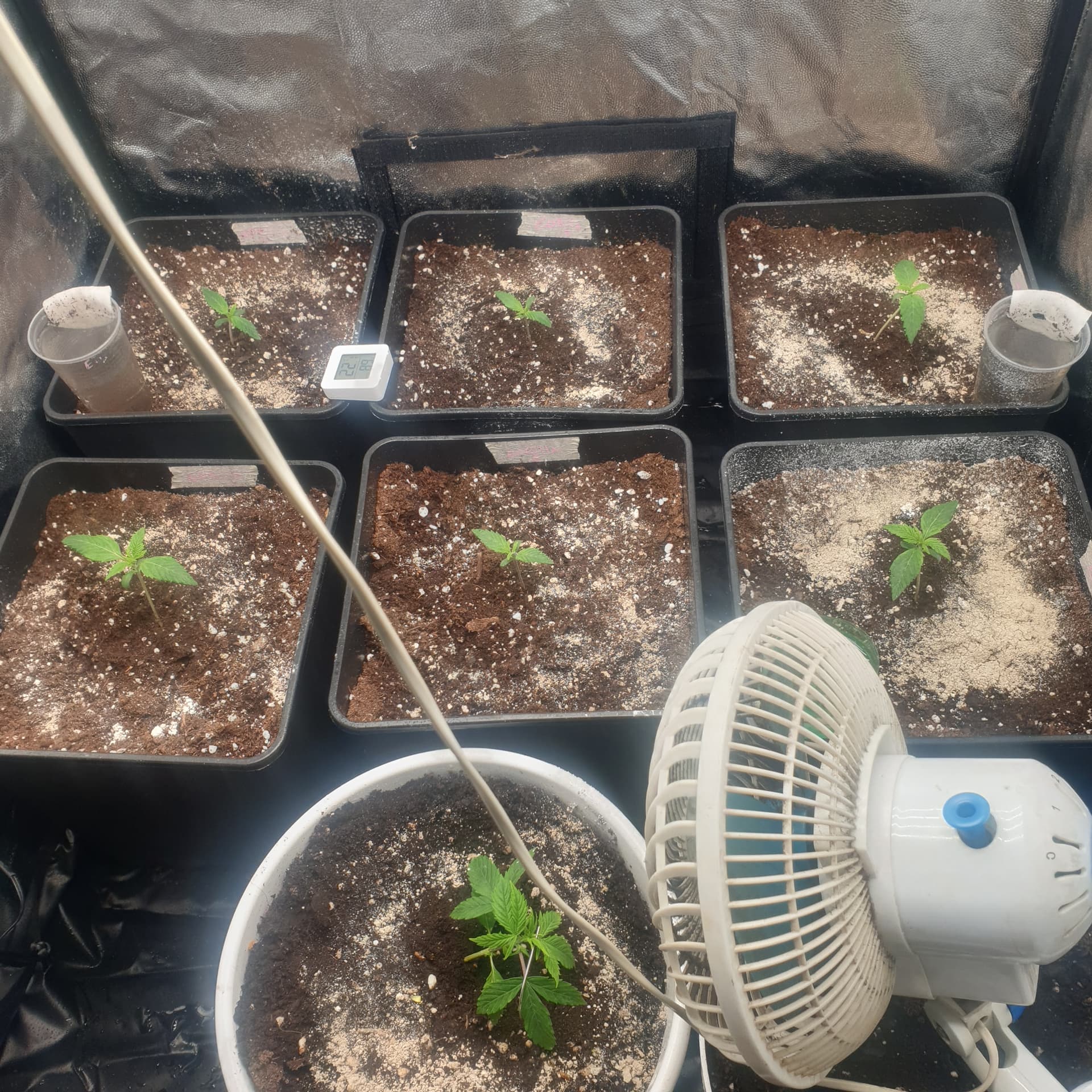
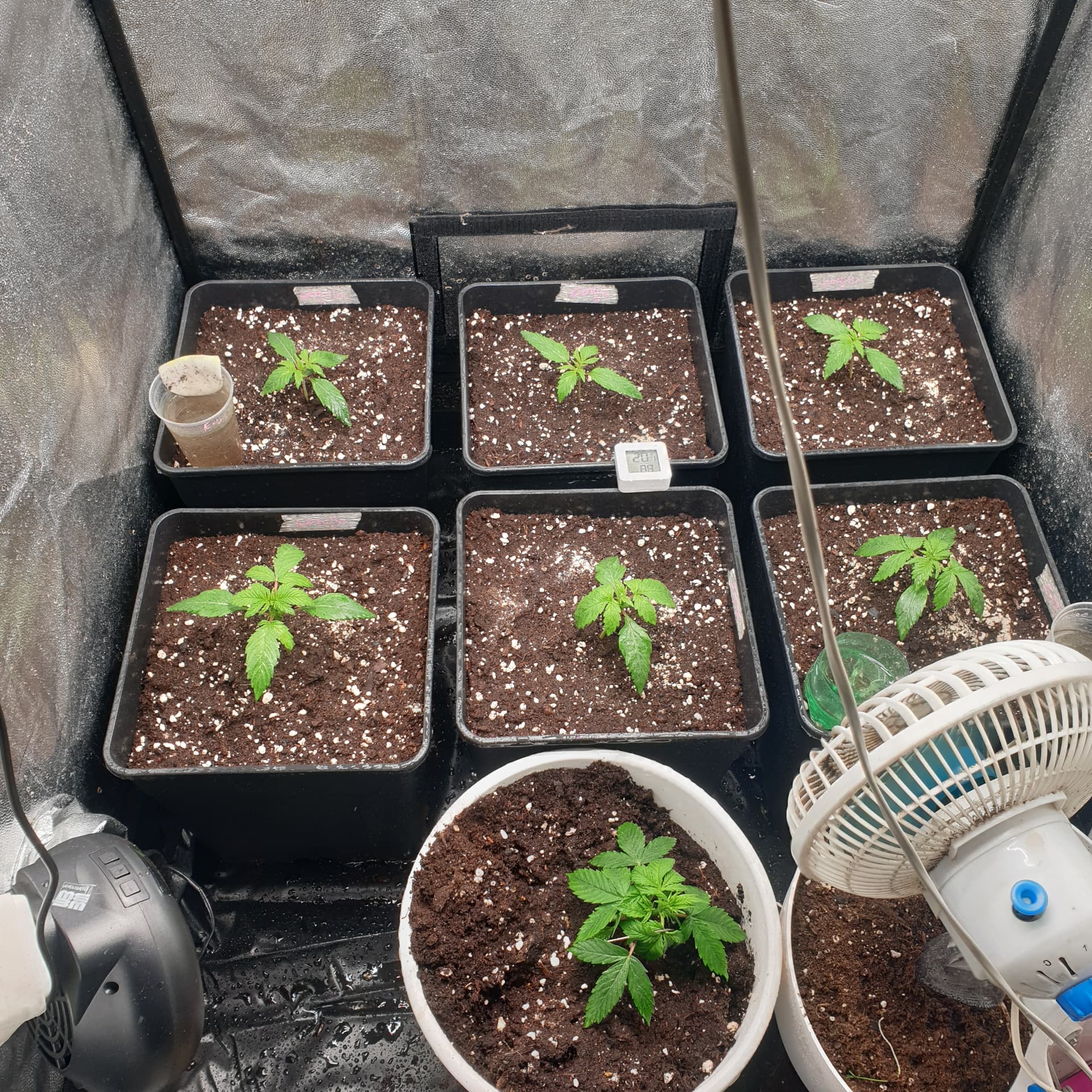
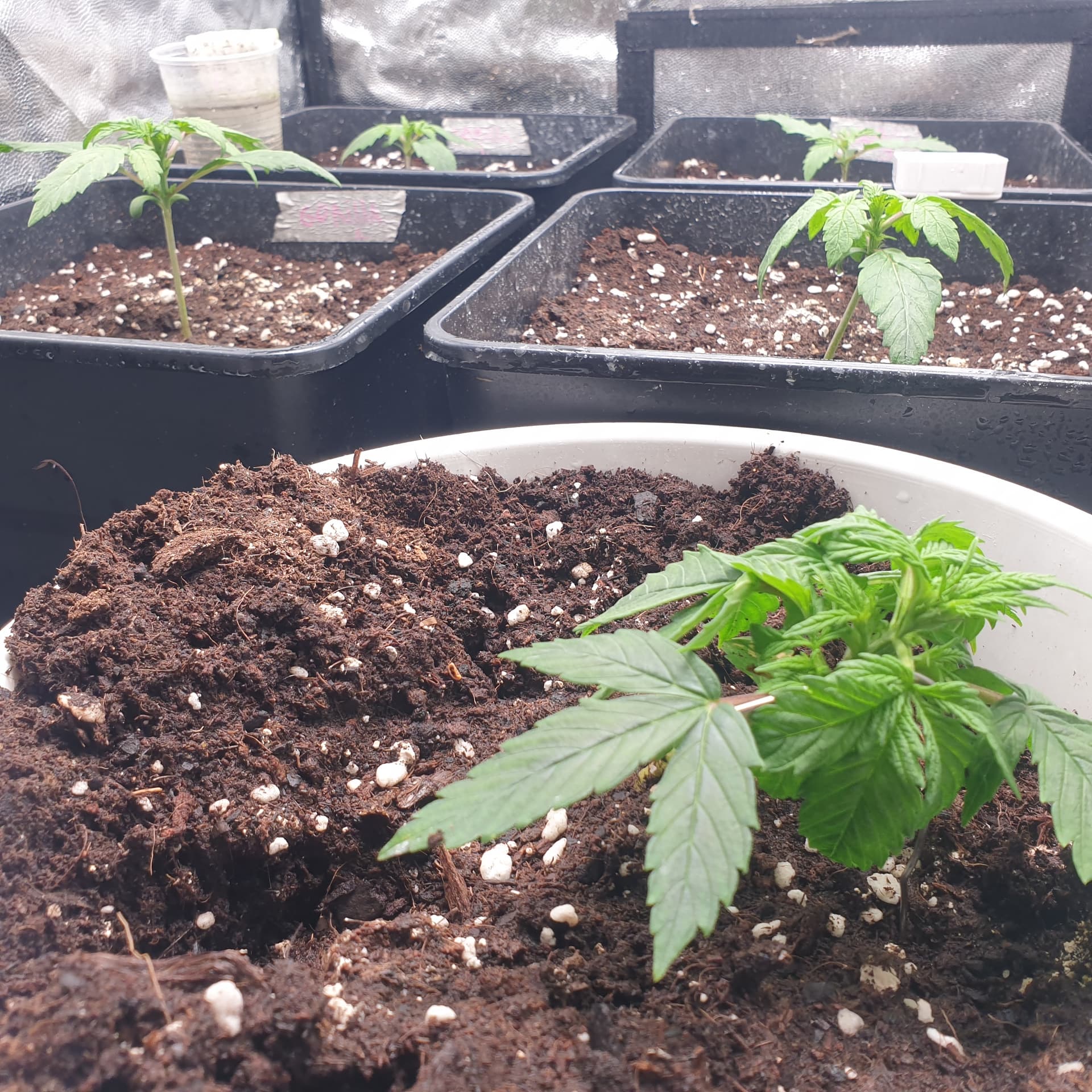
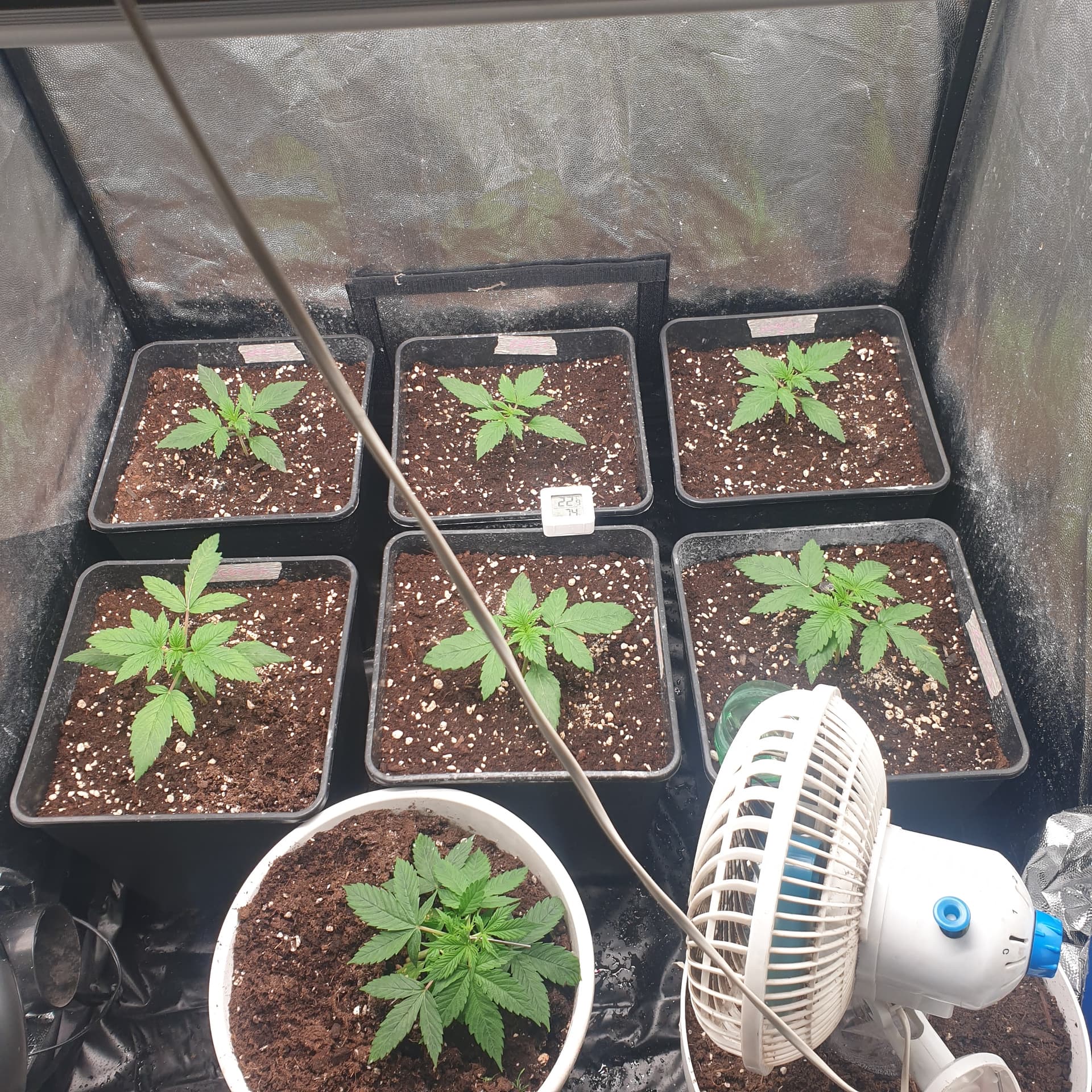
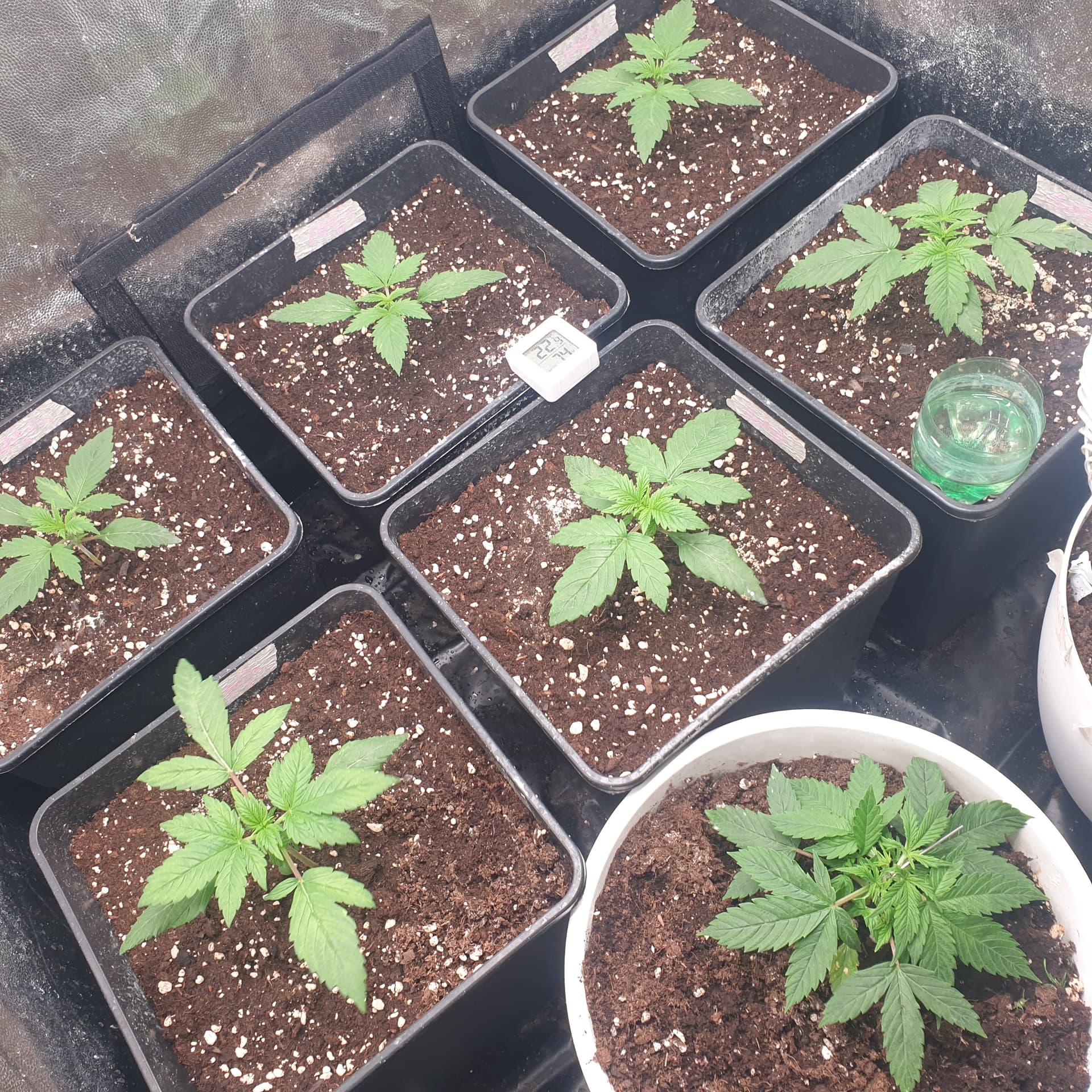
At the moment, everything is going very well with the 5 Gorilla Fast and the Black Mama. They are already at 23ºC and 50% humidity, so I put domes on them to increase it as they advised me. The light is at 60cm, at 30 or 40% power, and according to the Photone application, they reach 400 ppfd in the center and about 300 ppfd in the rest, which I understand is optimal.

All of them look very good, except for the 7th one, which is the auto I used for testing, and which has just recovered from a problem. I cut two leaves that I believe were infested with a fungus, or burned by phytotoxicity. Luckily I cut off the two bad leaves, and it already looks new and recovered.
As a precaution, I also started applying foliar applications of neem oil with agricultural soap (potassium soap) as they recommended, and I also put diatomaceous earth powder on the substrate. With this, I should be somewhat guaranteed to avoid any bugs or pests.

3 Likes

Hello @3xt3nd3d :smiling_face_with_sunglasses::victory_hand:,

Well, I’m speechless… :face_without_mouth:

What you’re doing here is so cool!!!:+1::+1::+1:

I would gladly want to participate. But at the moment I have too little time for it. :hourglass_done:
Although it must also be said. For that, one should have done more than just one or two grows and gathered some knowledge beforehand. :face_with_monocle::index_pointing_up:
I fully support the experiment!! That’s really something Dr. Weedenstein would do :scientist:
I’m following this topic a bit more closely and I’m really excited about your results.

Where did you get your prior knowledge from and where did you get the idea?

In this sense, good luck and a good harvest. :balance_scale::rocket:

Grow on :smiling_face_with_sunglasses::+1::sign_of_the_horns::victory_hand::ok_hand::cloud::cloud::cloud:

2 Likes

That looks very good, remember to vent the domes now and then. If the humidity is still too low, you can add one or two sprays of water into the bottles with a spray bottle, the little ones will surely grow better now. Leave the domes on until they almost touch them or get their first five-finger leaf. From then on, they should have formed enough roots to remove them and start watering.

2 Likes

I’m just an amateur when it comes to hobby horticulture lol, my knowledge comes from agro-engineering classes. I do the experiment as a hobby, just like my grows; plants and vegetables are my passion for evenings and weekends.

I’ve been contemplating trying hormonal treatments on cannabis for about half a year. I don’t know why no one has ever worked with it before. Honestly, it’s very difficult being alone with the tests, but I’m figuring things out little by little, such as that the hormone’s action is instant in the plant. Luckily, I have the autoflower to test on before the feminized ones.

Also, I have to adjust the dosages, change the solvent I use for a more potent one for cytokinin, and make a mother solution to better control the dosages later.

I only have 4 attempts, since two are controls (plants without hormonal treatment), but I have hopes of clarifying more things for the next grow with hormones. In this grow, there will be many errors.

3 Likes

clearly, applying cytokinins at an early age leaves plants stunted hahaha

2 Likes

small general update.

everything is going well, the small feminized plants are growing strong. I can add little about them since I confirmed firsthand (see photos of the dwarf autoflower) that hormones have an immediate effect, and I estimate I must wait at least another fortnight (15 days) to apply the cytokinins to 1 of the feminized plants, since, as we saw with the dwarf plant, it abruptly stops apical growth (the plant stops growing vertically). For another, I will wait until pre-flowering with the intention of seeing how it affects them at this stage, and for another in flowering.
I still have many doubts doing this alone; I don’t have enough plants to experiment with, there are only 6, and I don’t even have the doses clear, nor the key phases for application.
From the beginning, I wanted to leave two control plants (without treatment), but it is possible that I will reduce it to one, although, if the effects are not very noticeable, or if anything happens to the control plant, I would lose the control to compare the results.
2 controls
2 pre-flowering
2 flowering
For now, I will follow the planned route.

Regarding the autoflower with hormonal treatment, it currently has a lot of vigor, it looks very strong and healthy, but totally dwarf. The cytokinins have clearly had a very drastic effect, much more than I expected. The plant has clearly remained dwarf; it has many shoots, some stuck to others. The internodal distance (distance between shoots) is very short, almost null. On the one hand, it is clear that what I investigated about the effects of cytokinins is correct (increased cell division, youth hormone, decreased distance between nodes, cessation of apical growth, increased lateral shoots). What I really didn’t expect is that it would be so “literal” hahaha. Obviously, we don’t want dwarf plants, so the timing of application is key, as I imagine the doses are.
If you see the photos, the plant is dwarf; it is 2 weeks older than the 6 feminized ones, and they are the same size; it is very curious to see it. Obviously, this plant is no longer useful for producing, but I’m still going to let it grow and see how it evolves when it goes into flowering.

here it is clearly seen that the feminized plants are already taller than it.

2 Likes

timelog of the autoflower (blueberry) treated with cytokinin hormones.

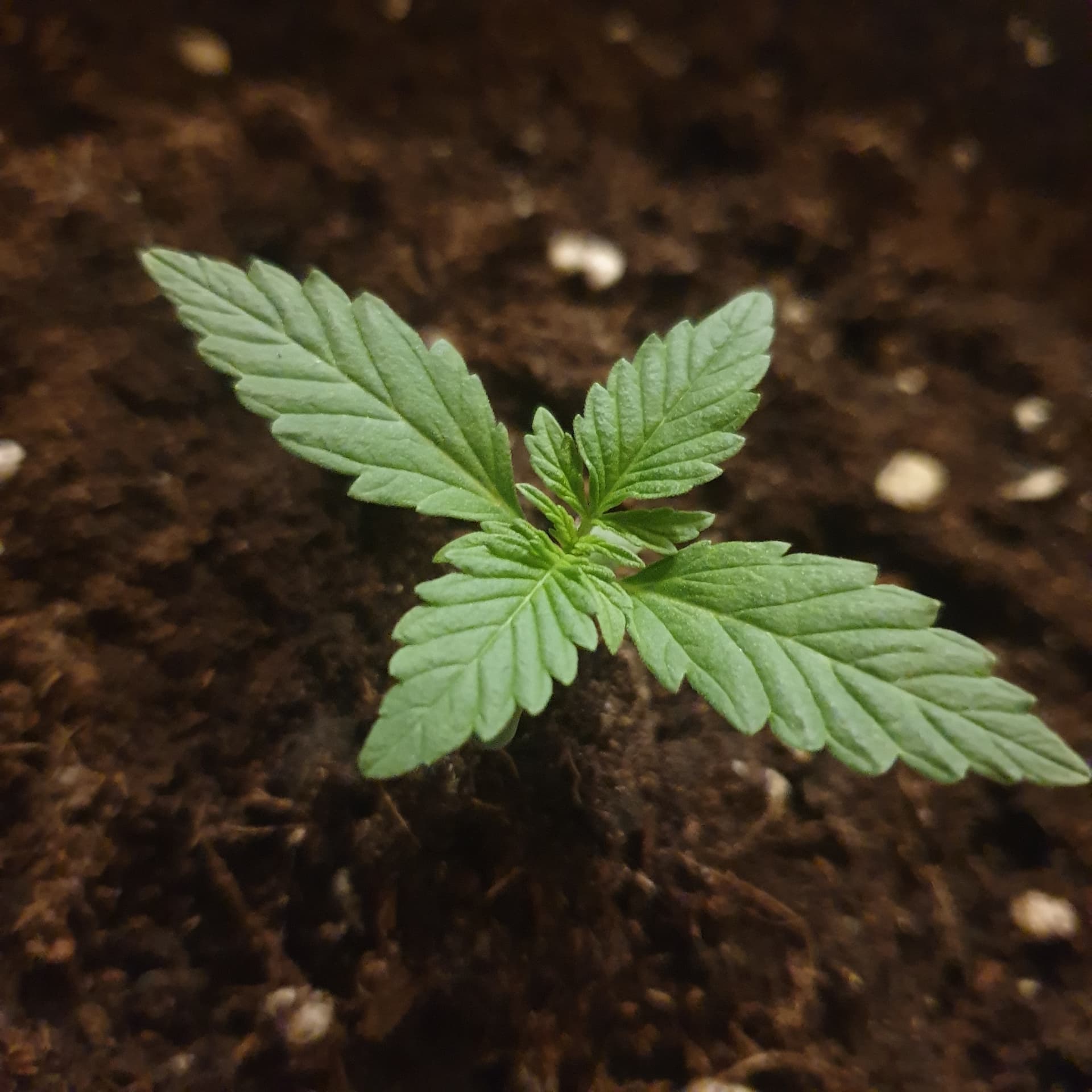
Nov 19. in the image above, here are 15 days since its germination WITHOUT hormonal treatment yet.

Nov 22 first cytokinin foliar spray.
Nov 23. in the photo above, here are 19 days since germination, new shoots are visible emerging from the cotyledons, the plant has been WITH hormonal treatment for 1 day.

Nov 28. in the photo above, here are 24 days since germination, and 6 days since cytokinin hormones were applied.
the plant appears weak, we see burns on the cotyledons very similar to chlorine burns, but very localized on those two cotyledons, the first true leaves (with 3 points) show dark spots emerging from within the leaf vein and extending from the veins towards the leaf edge, at this point the plant looked weak, as if something was wrong with it, after consulting, pests were searched for without success and I came to the conclusion that it was either a fungus, or a phytohormone intoxication, I decided to cut the two stained leaves, and flush the roots with a pH of 6.5 and a weak EC of 290 along with its growth fertilizer, root stimulator, and cal-mag. at 3/4 of the minimum doses 0.75ml per L.
in addition, a preventive foliar application of neem oil + potassium soap was carried out, and diatomaceous earth was sprinkled on the substrate in case there was any pest or fungus to deal with, although no bugs appeared so far.
after this the plant recovered very well and was full of vigor and strength, but dwarfed.

20251130_091402

Nov 30 photo above, here are 26 days since germination and 8 days since cytokinin application, as can be seen, it recovered its darker green hue, the diatomaceous earth is visible on the substrate and it was placed in a dome to maintain humidity and avoid unnecessary stress such as humidity fluctuations.
finally the plant seems recovered from the previous problems.

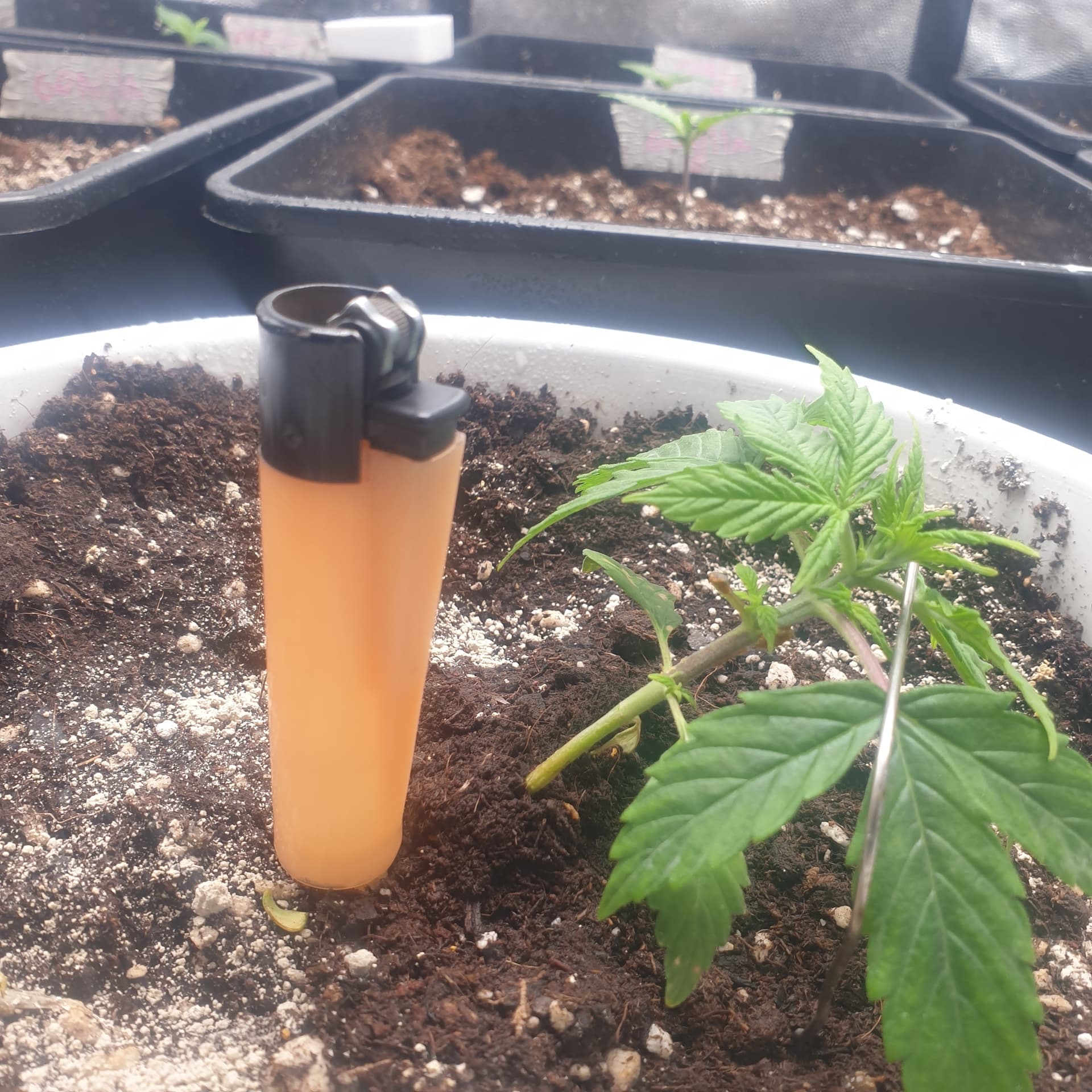
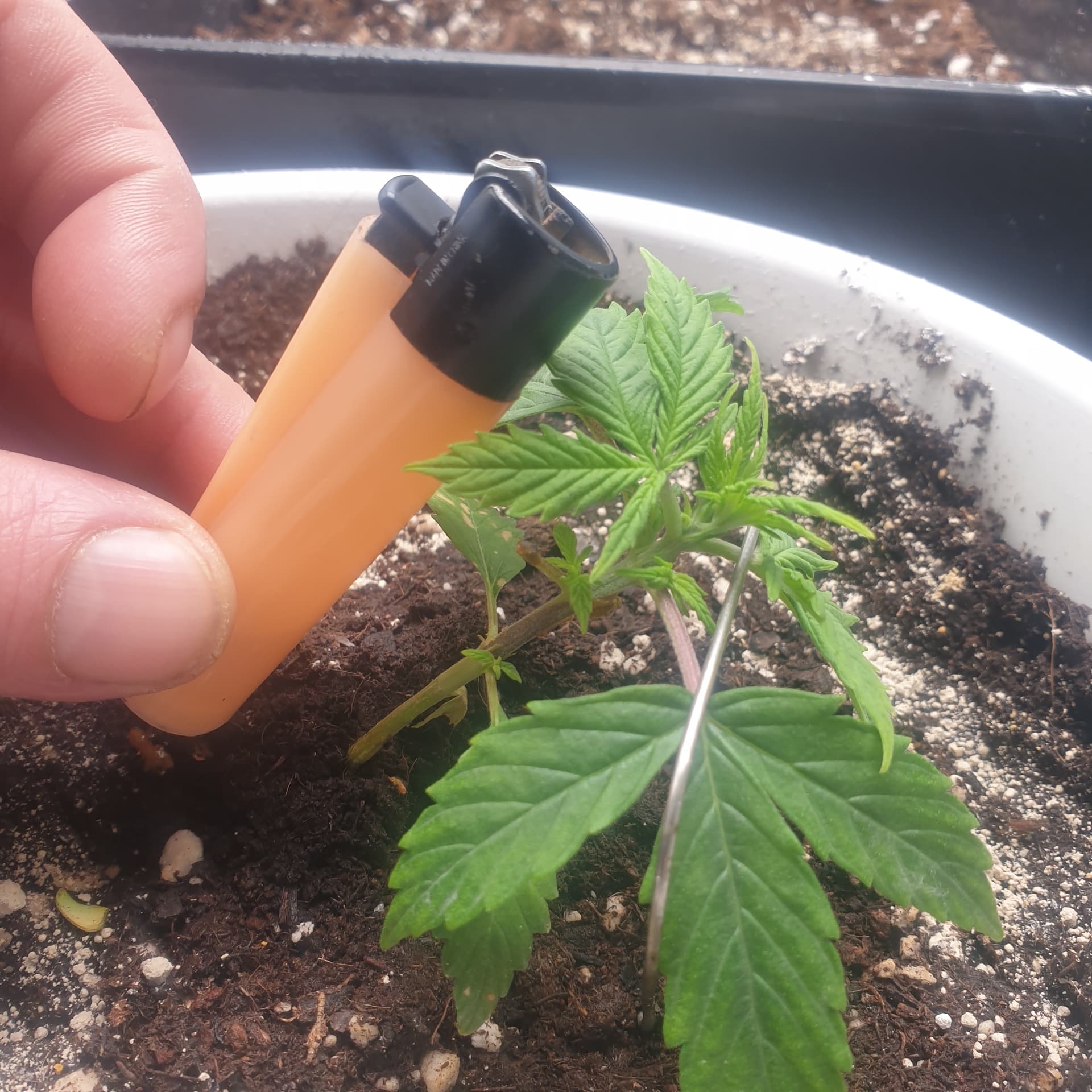
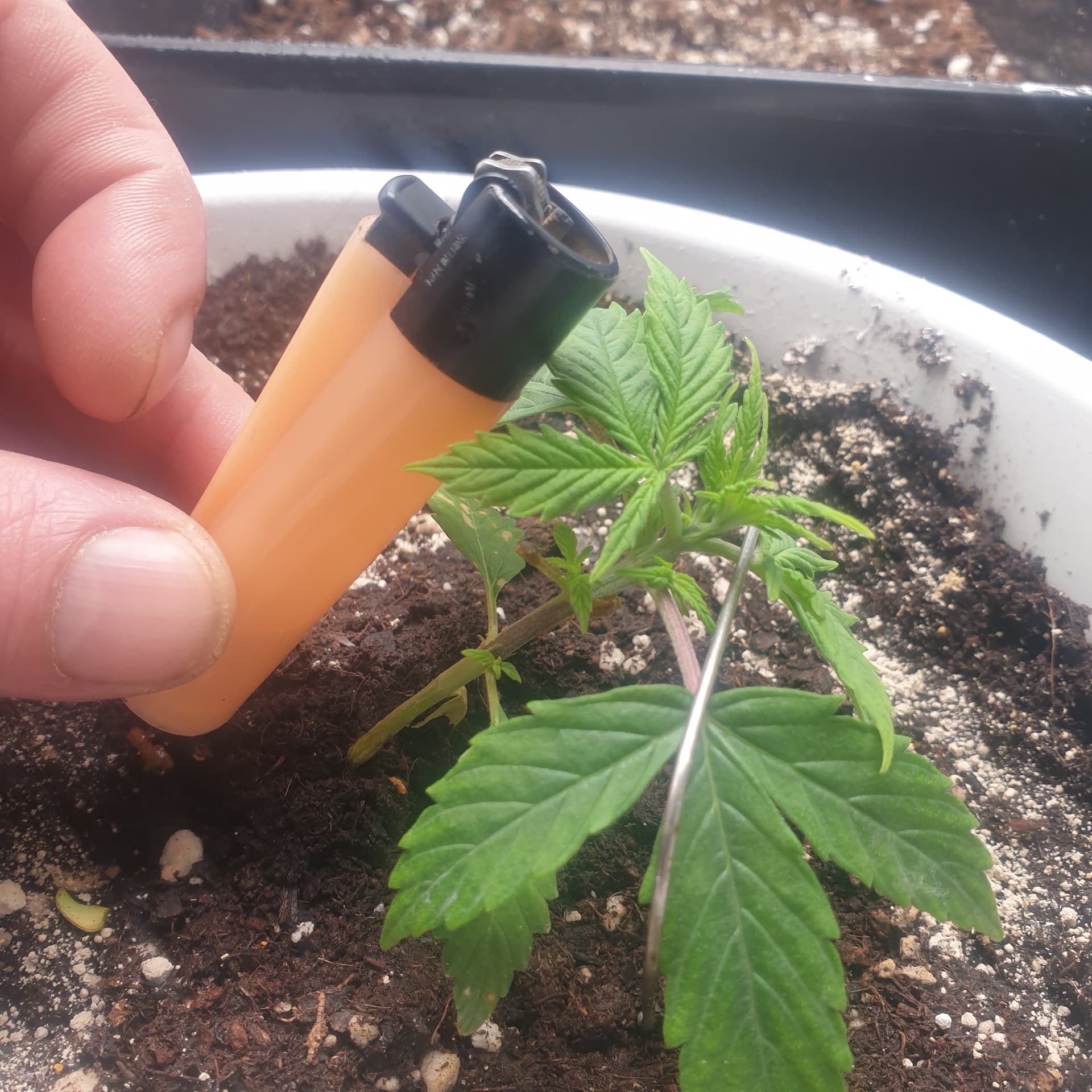
Dec 01 photo above, 27 days since germination and 9 since cytokinin application, it’s an image that I find quite amusing, the plant is dwarfed, very dwarfed, as you can see, I placed a lighter next to it where you can see that the plant is smaller than the lighter, it already has a height of 4 shoots on the stem counting the apex, separated by less than 1 cm, it is truly dwarfed, so much so that the other 6 plants have already surpassed it in height.

I also add as a comment, that its stem looks quite thick and robust, even more so compared to the size of the plant, as for the roots, I don’t know anything, I wonder if they are dwarfed like the plant or grew normally, time will tell.

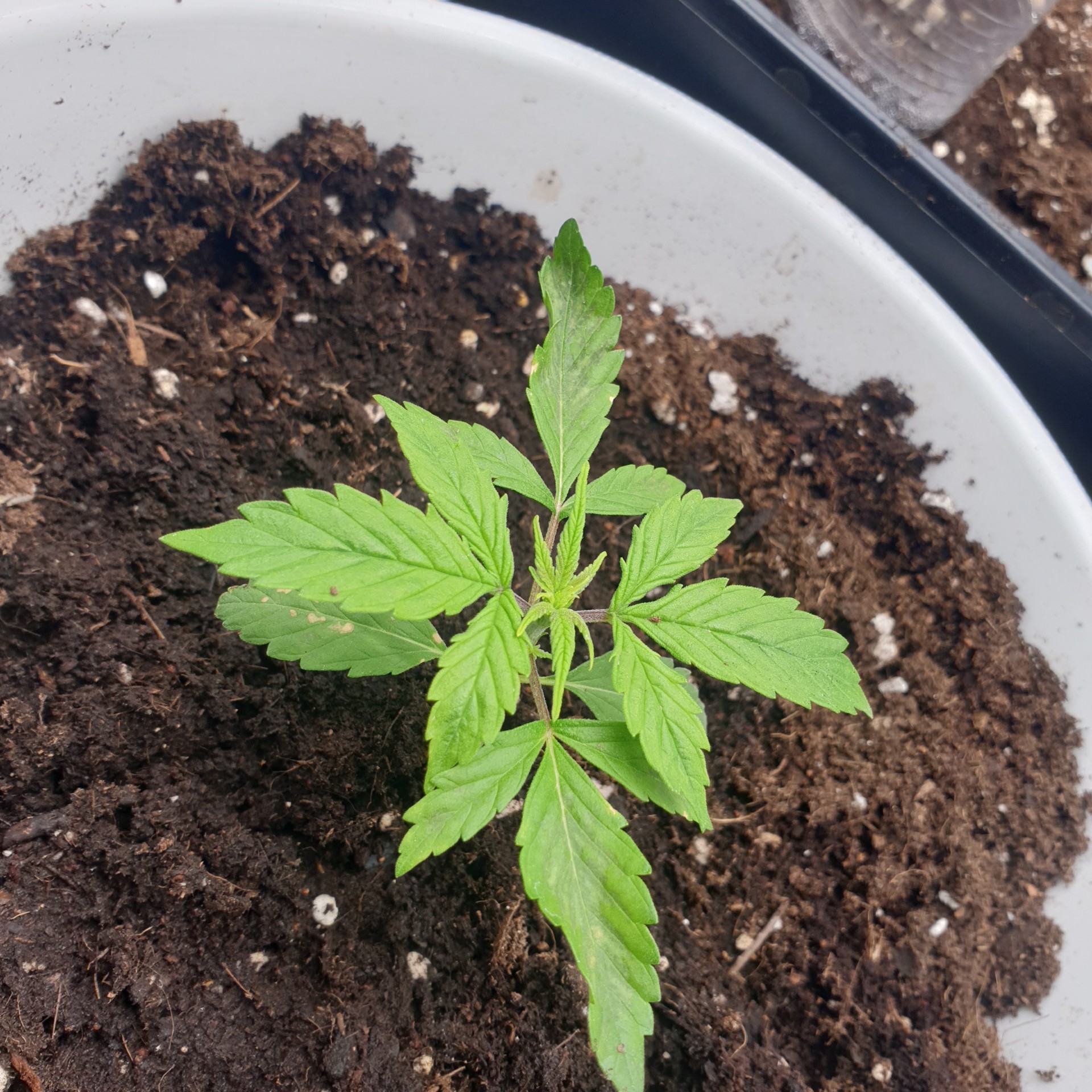
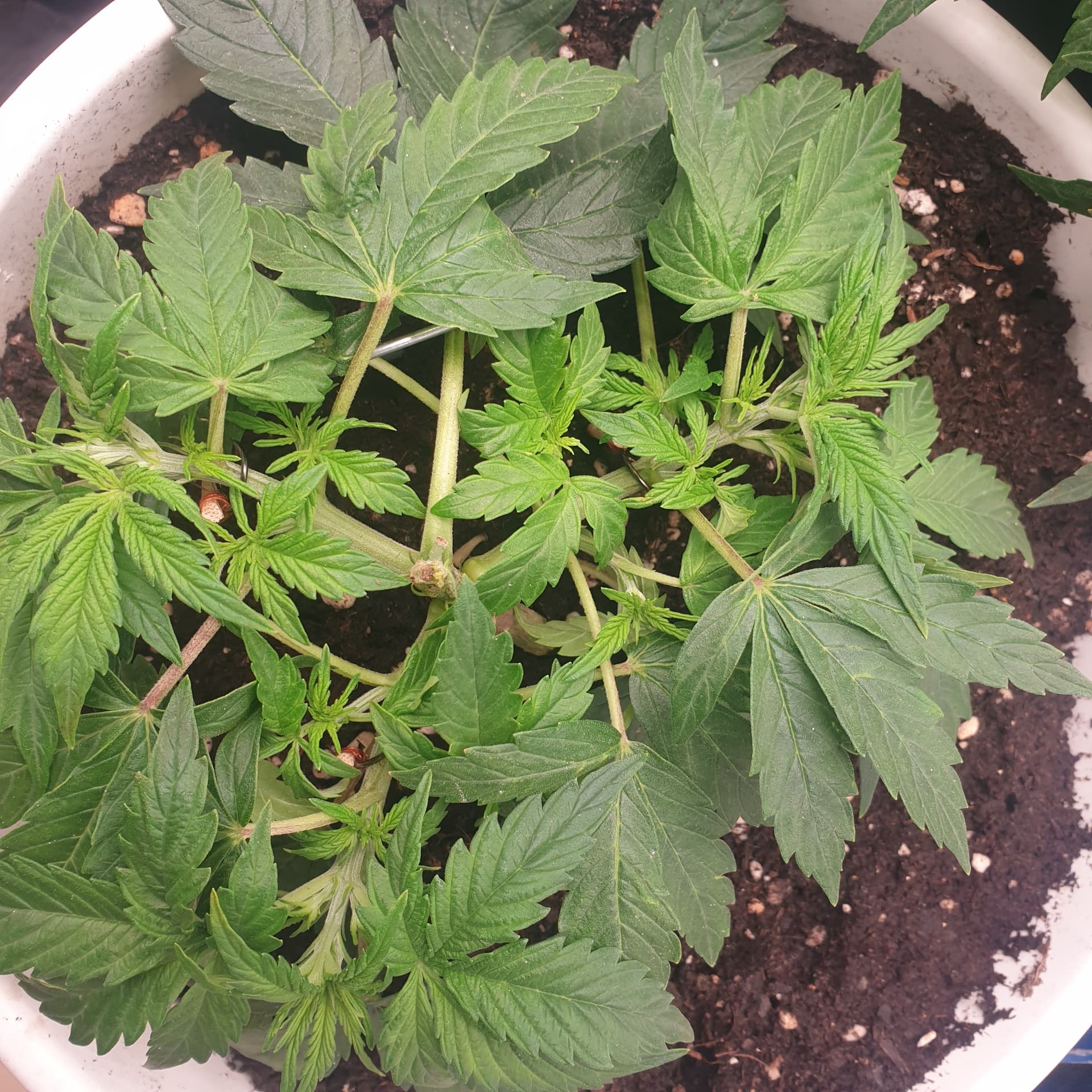
Dec 05. photo above, it’s so dwarfed, with many leaves and shoots, all stuck together, with no internodal spacing as the plant completely stopped stretching vertically, so seen from above :

it makes it look like a lettuce (hahahaha) it’s very dwarfed and has many leaves and shoots, light cannot reach the inner shoots because all the leaves are concentrated, today I performed an apical prune on it, to see if the lateral branches can come out to see the light because the shoots are all clustered together, less than 1 cm apart, so no light reaches the lower ones, poor plant, it certainly fulfilled its function as a guinea pig and I can get a better idea of how hormones work in cannabis, it’s important not to apply them too early.

Dec 07

Dec 07 as we see, it didn’t grow in height, but it did develop many shoots in a very, very small space, this is very interesting for controlling the desired height in plants, I would love to know the exact moment to apply it… I’ll have to experiment, although right now I’m more focused on bud fattening and quality, but seeing the results, it would be very interesting to use photoperiodics with hormones and different types of pruning, for now, I’ll refrain and stick to the flowering improvement plan.
application on feminized plants will begin in pre-flowering with cytokinins + gibberellins, and in flowering with cytokinins only, they look beautiful for now.

3 Likes

17 days difference.

14-12 today I performed a small defoliation of leaves that were obstructing light to the lateral shoots after rearranging the LST, then I gave a foliar spray of as to help them cope better with stress. (The photo is from before the pruning and LST).
Today the pots already weigh little, which indicates that I can now water them approximately every 2 or 3 days, the plants are already drinking enough water, they are growing very well and healthy, in a few days I should do the apical pruning, but since I am going to conduct the experiment with cytokinins I prefer not to do it, the lateral shoots so far (without hormones) are developing well with the LST, I don’t see the need to do apical pruning although I don’t rule it out 100%

More photos of them

2 Likes

15-12

13-12

The photos are from 13-12, that is, 2 days ago, and the other one from a few minutes ago.
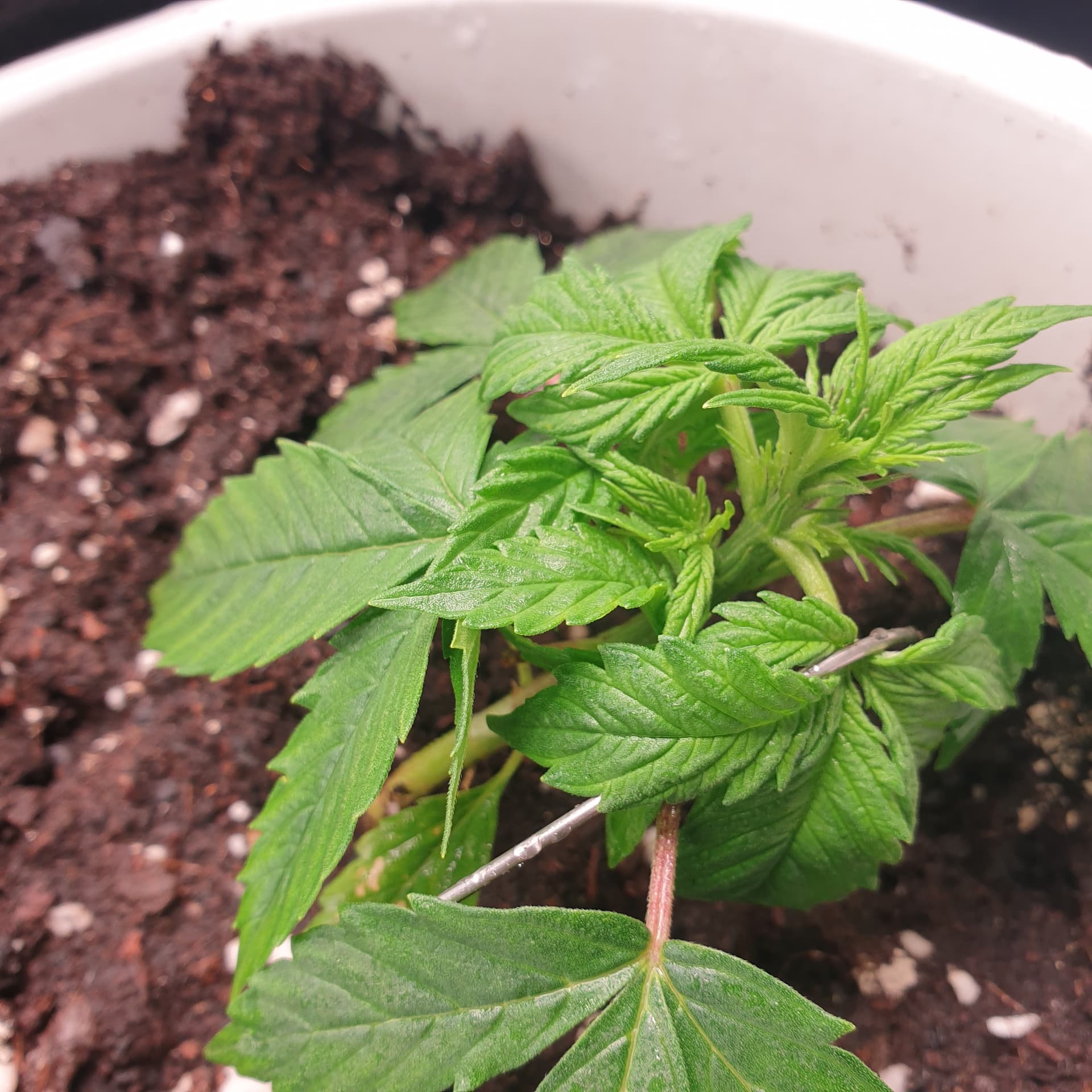
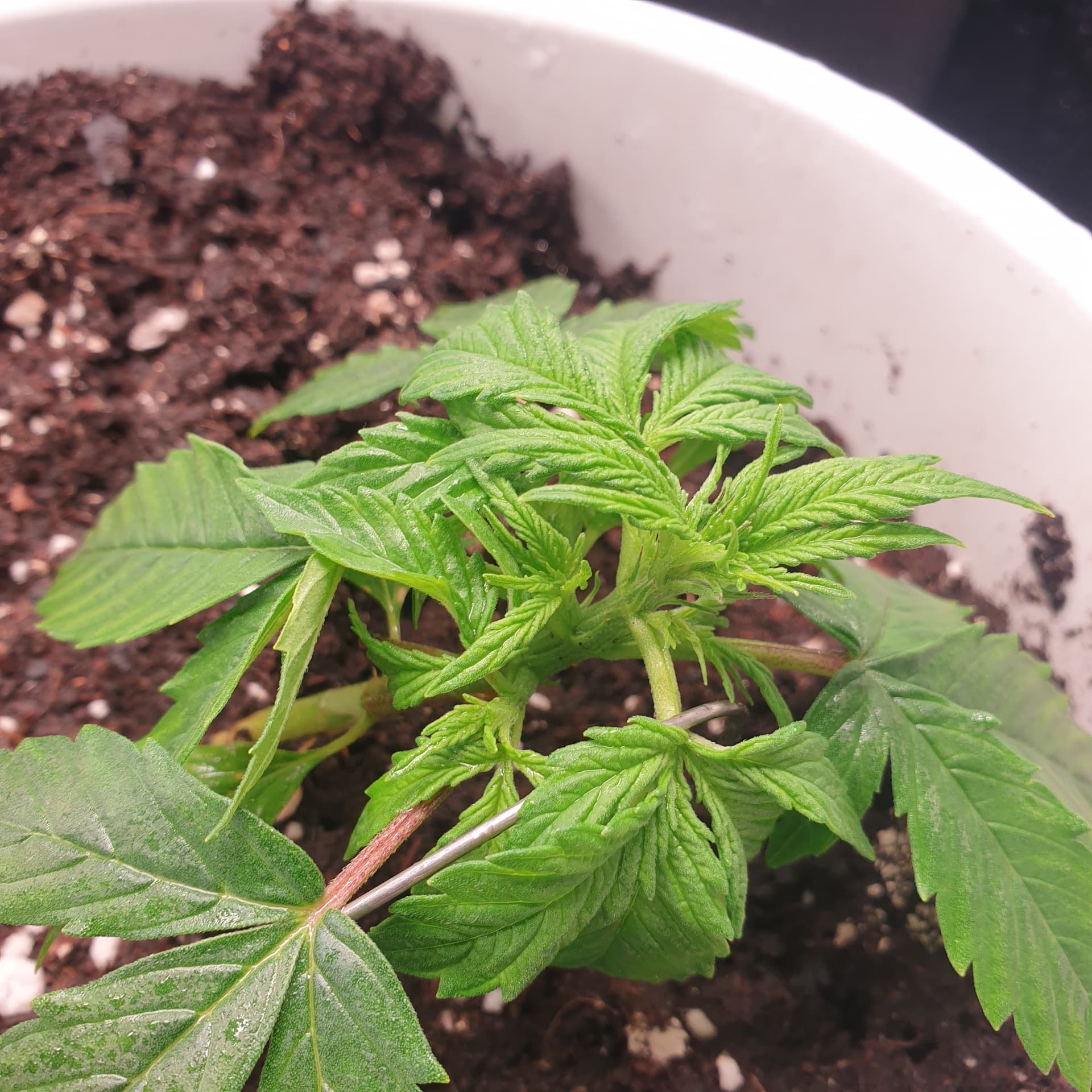
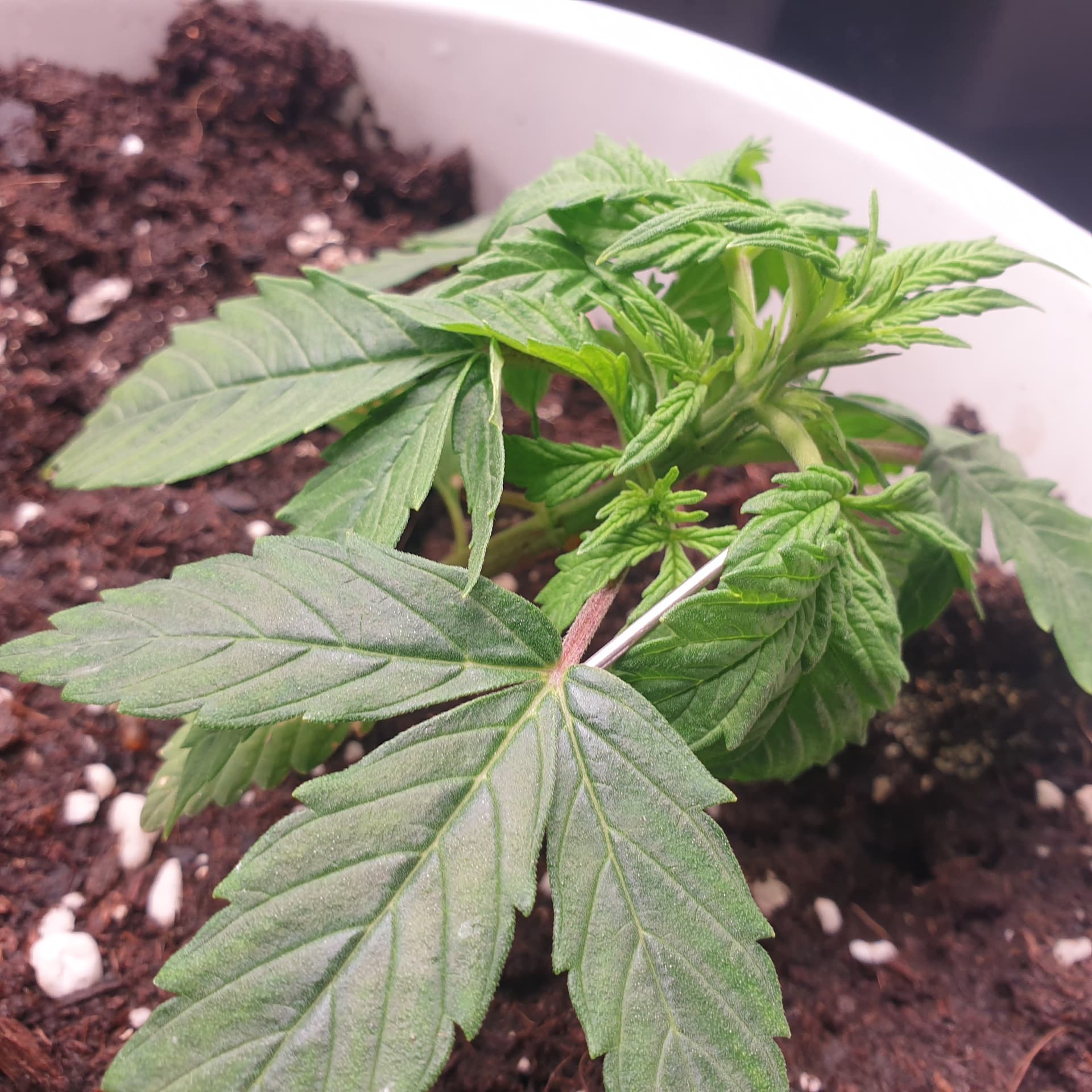
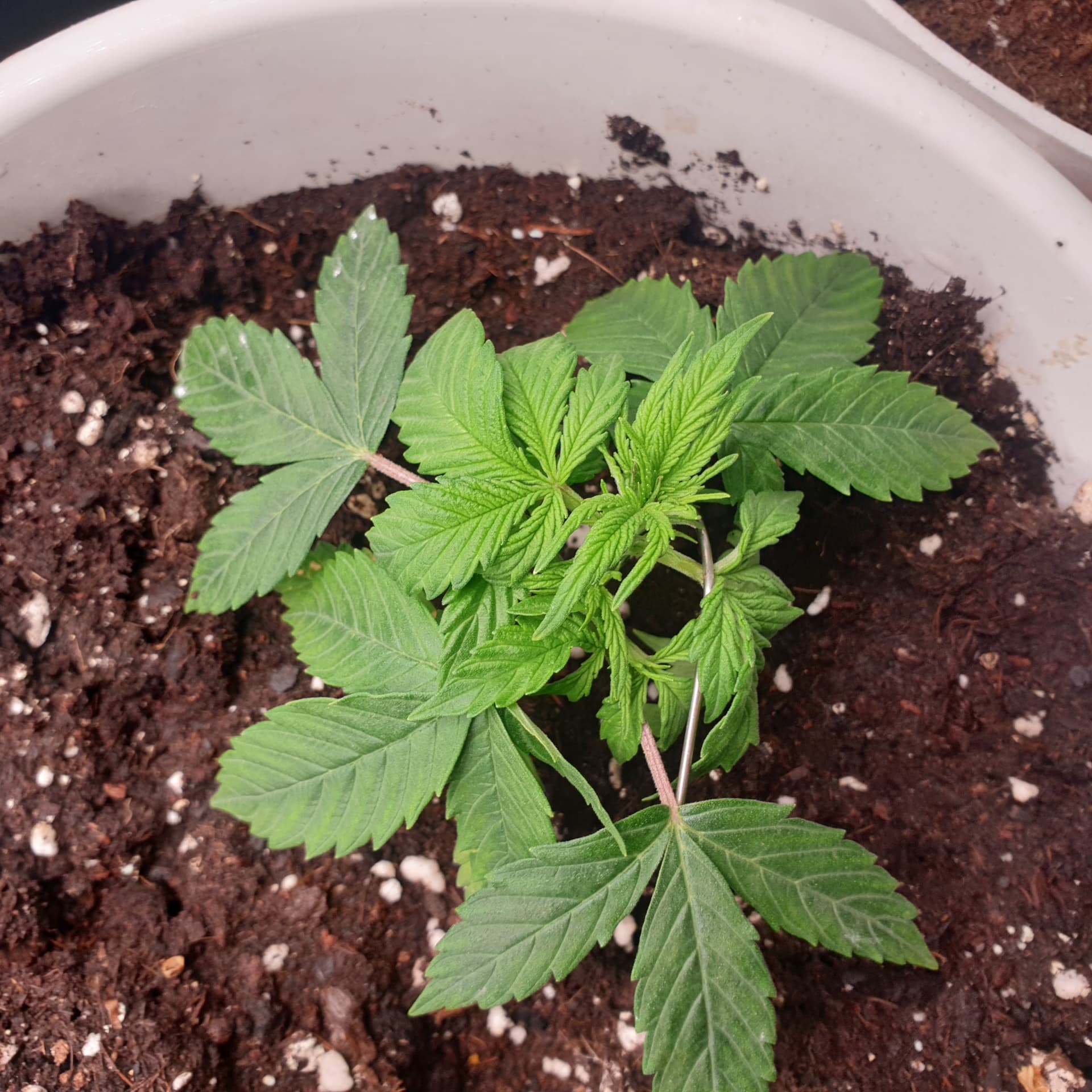
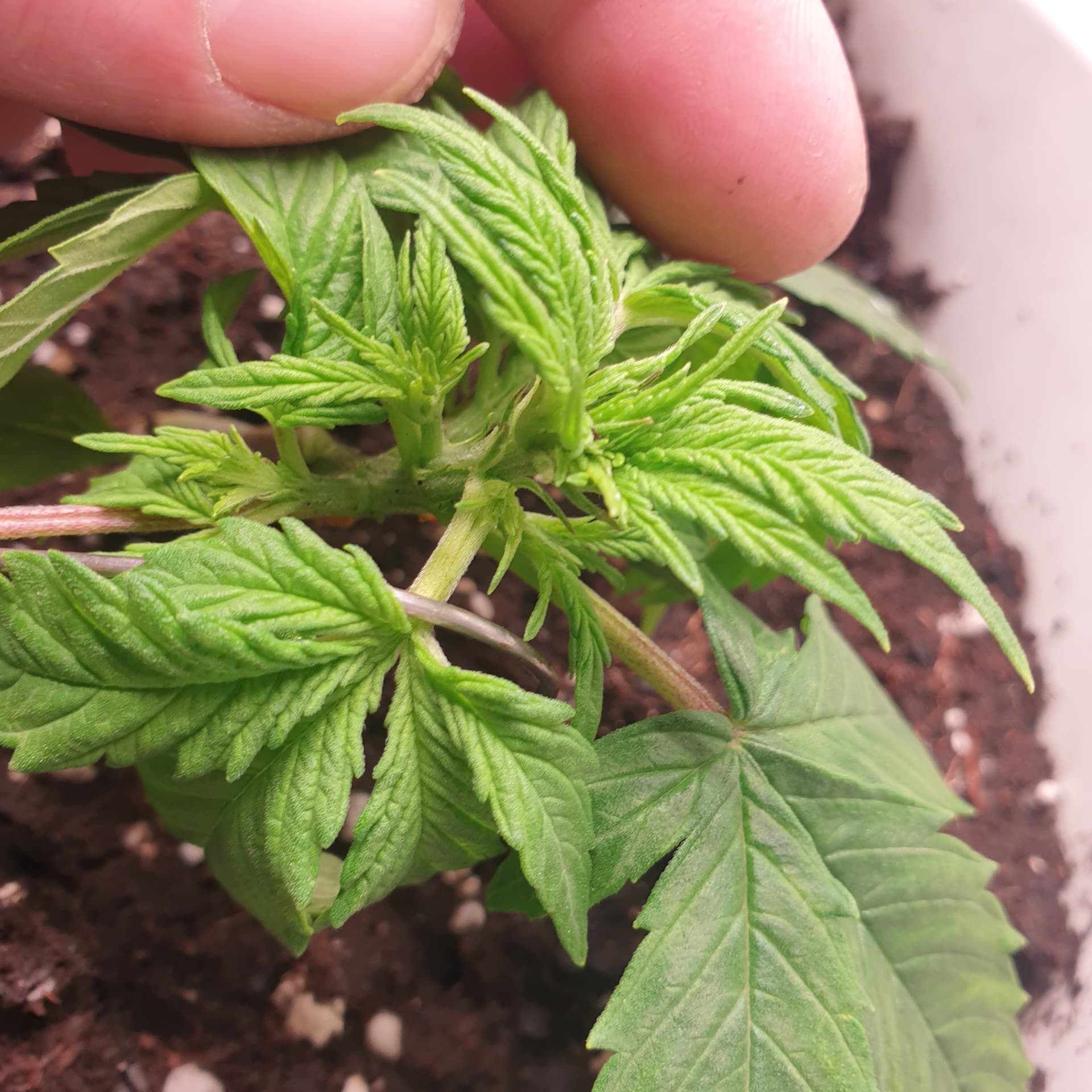
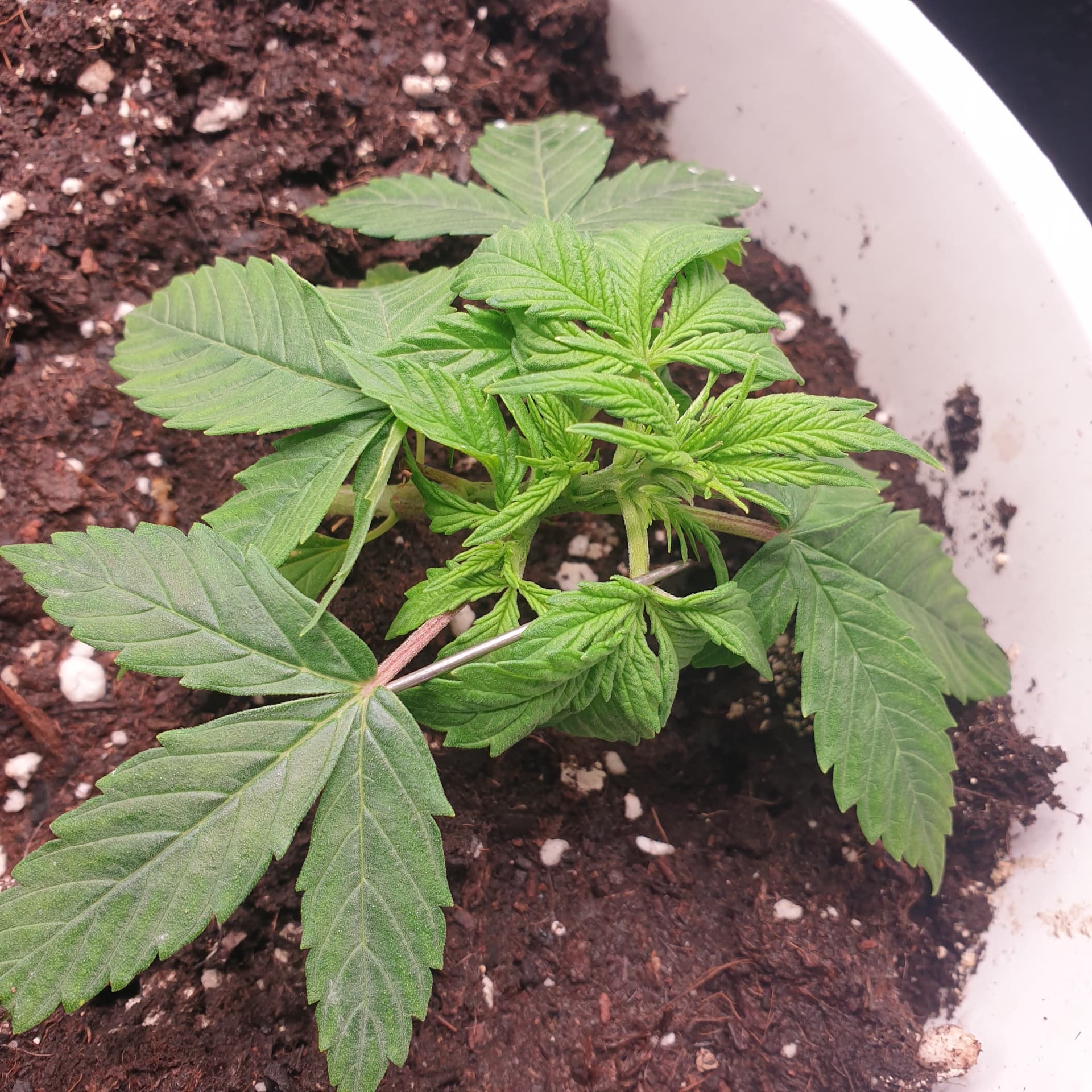
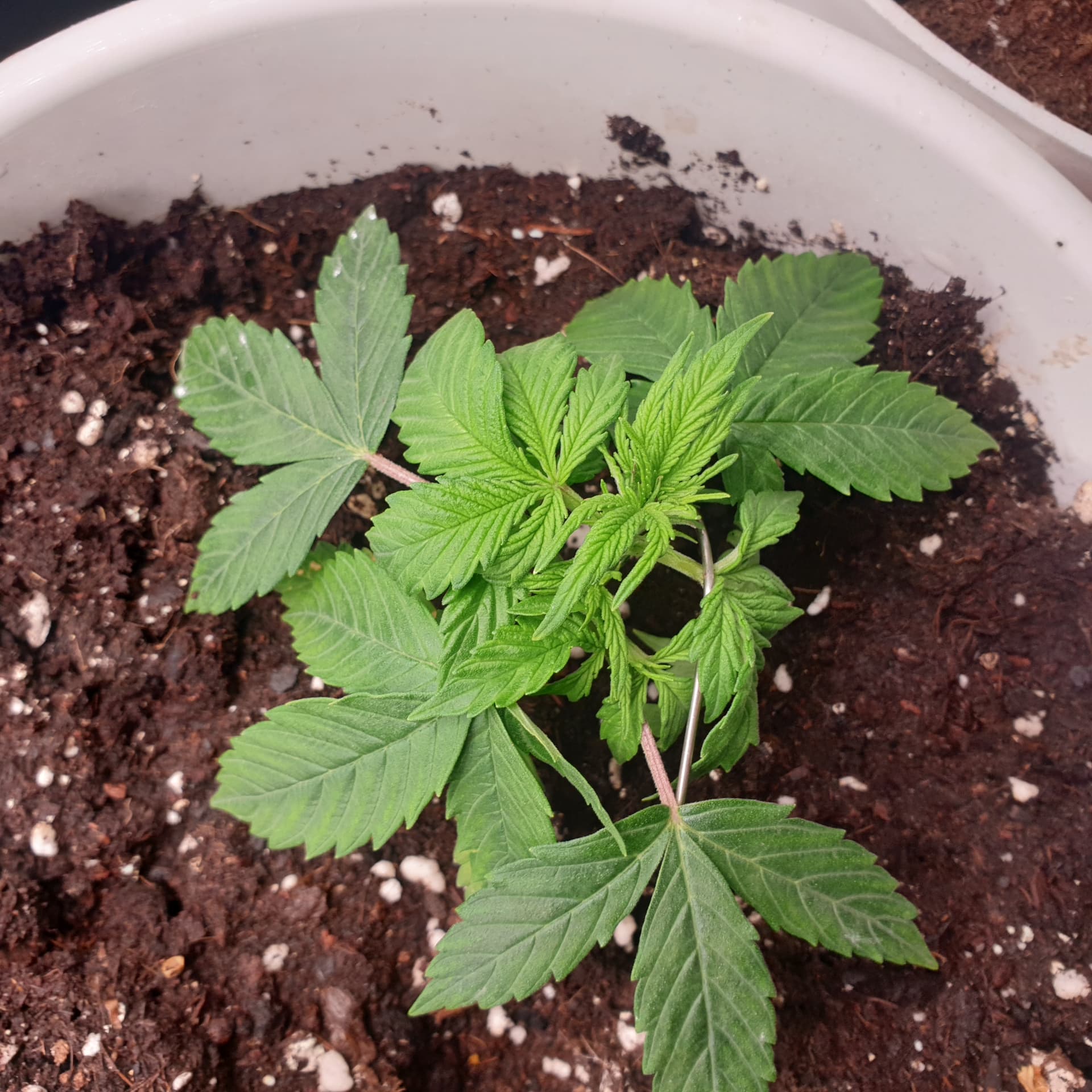
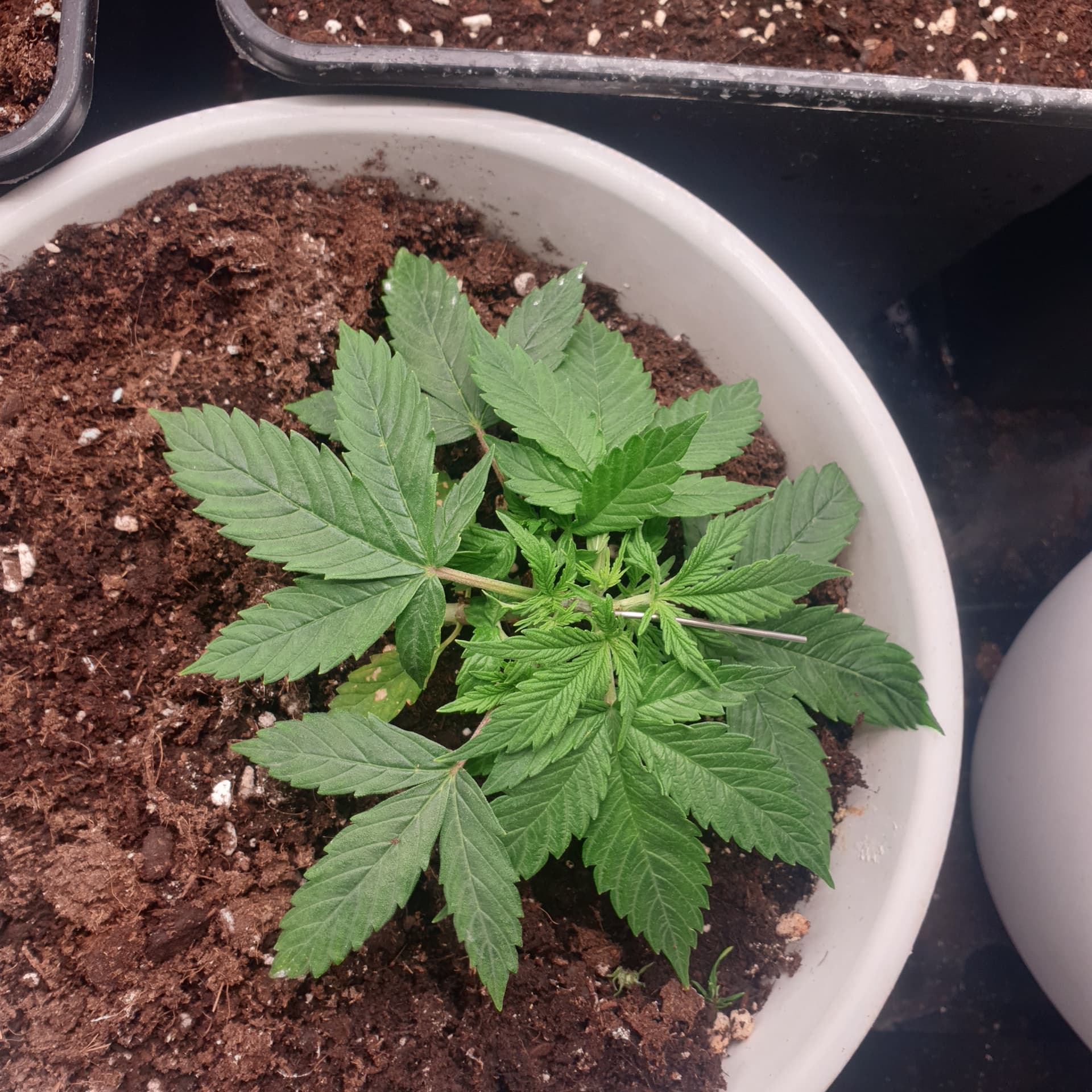
Today I made the first application of cytokinins on Gorilla 3 (rear center), Gorilla 5 (right center) and Black Mamba (front center) in a dose of 1000ppm diluted in distilled water, a light, very superficial application, since, on 13-12 early in the morning, I made a strong application (until dripping) to the test plant (white pot). As can be seen in the photos, it had no negative effects; on the contrary, many new shoots emerged and it maintains vigor (how lucky I am to have this plant to test my foolishness hahaha).

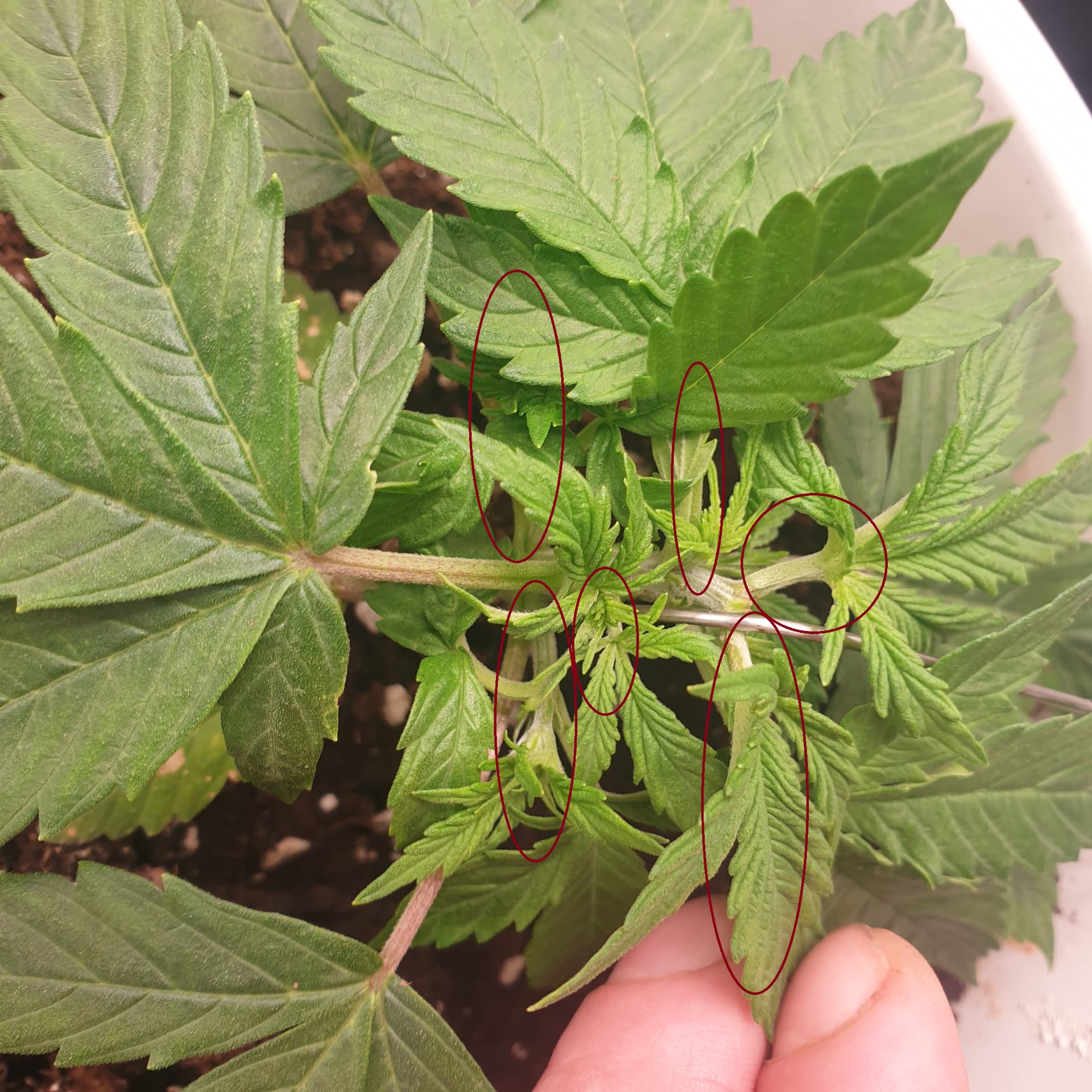
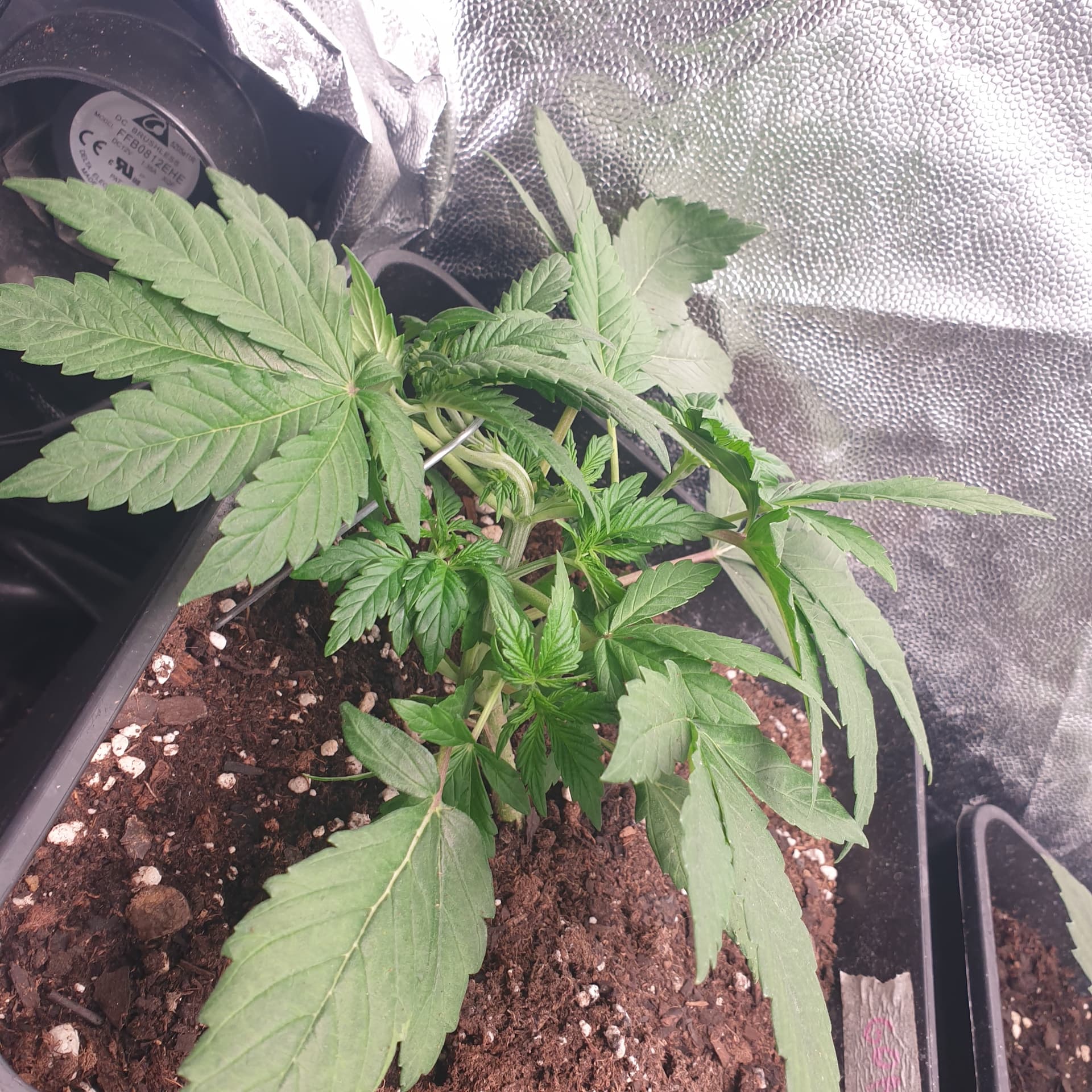
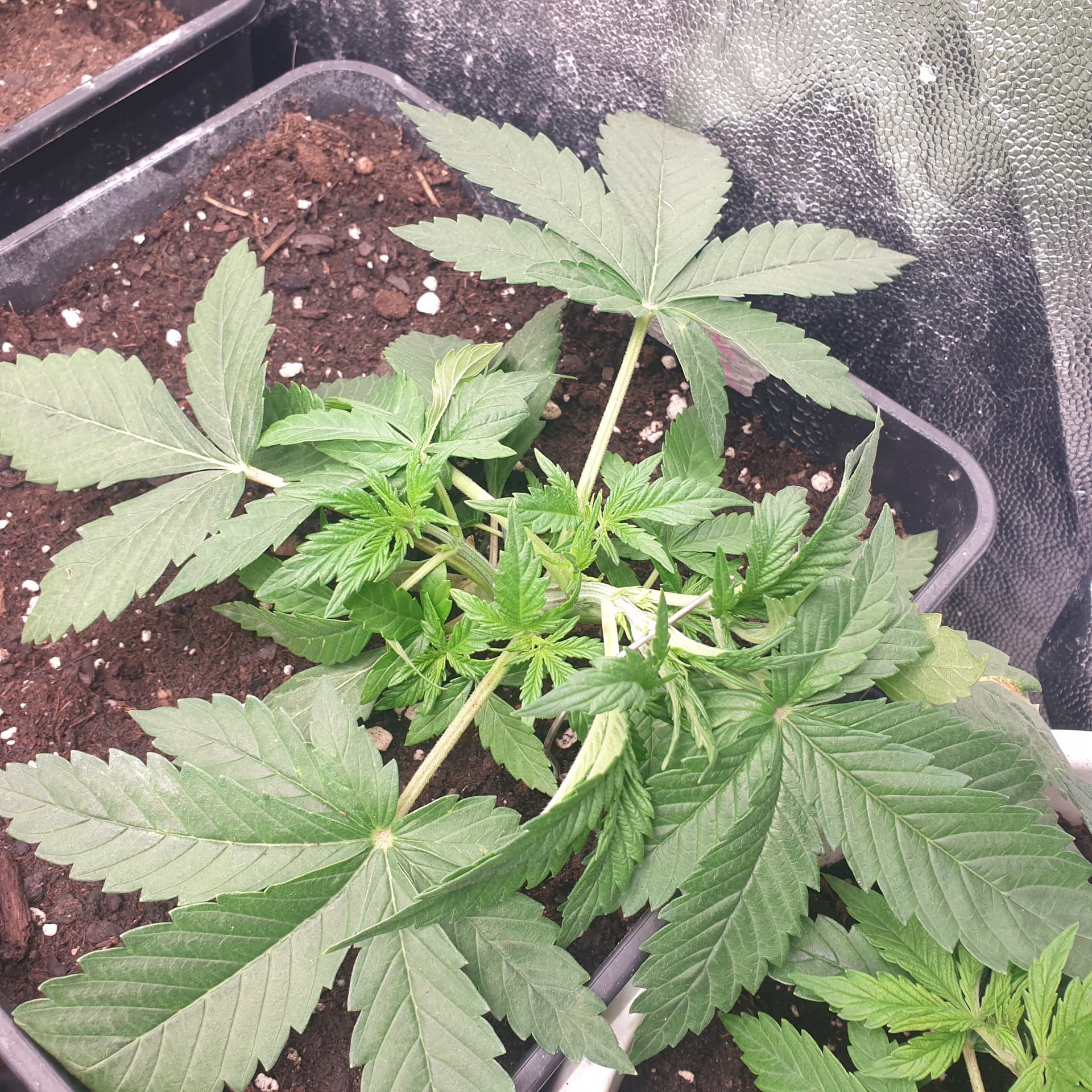
This is a closer photo, all the new pale green shoots can be seen. I hope to see results this week on the plants to which I applied it.

3 Likes


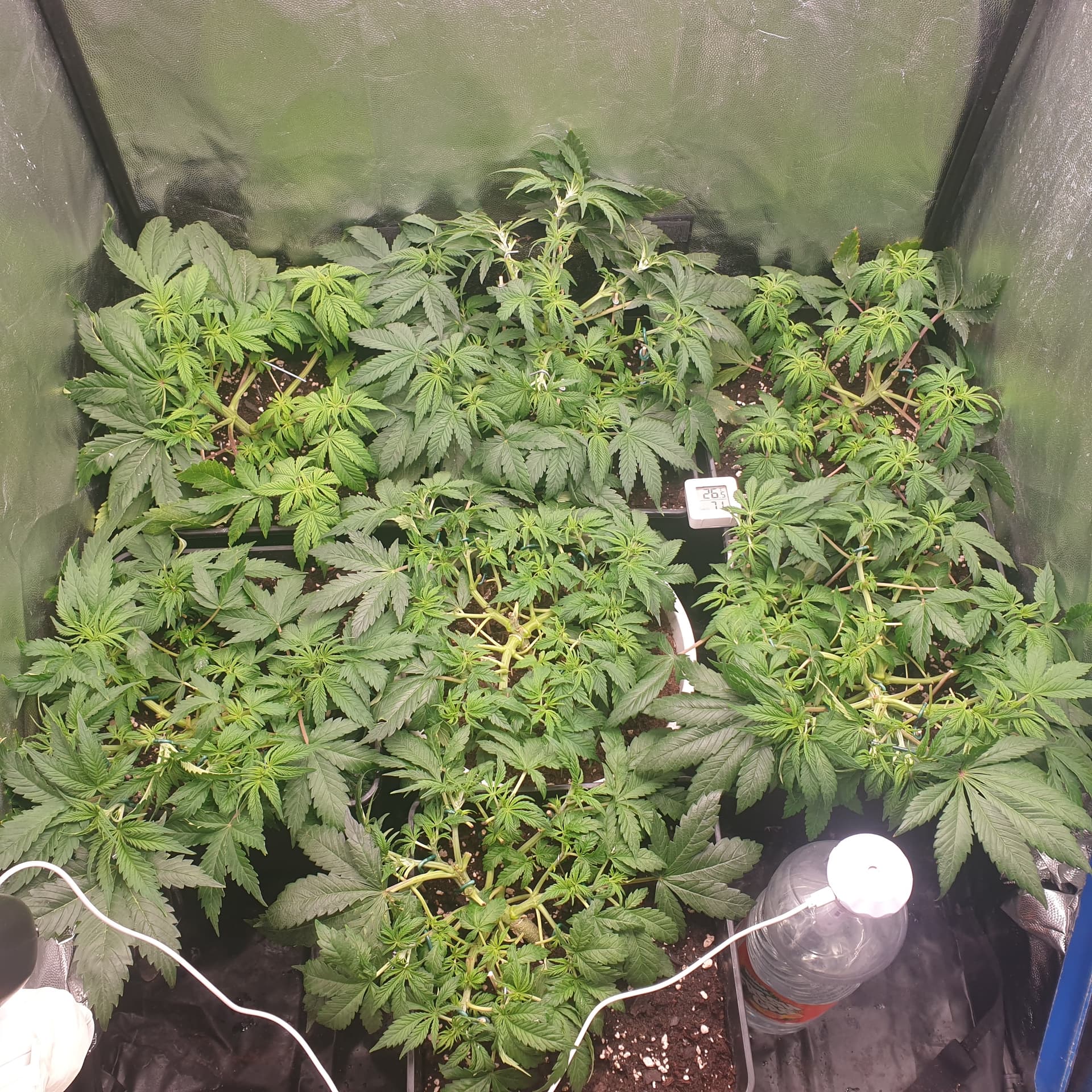
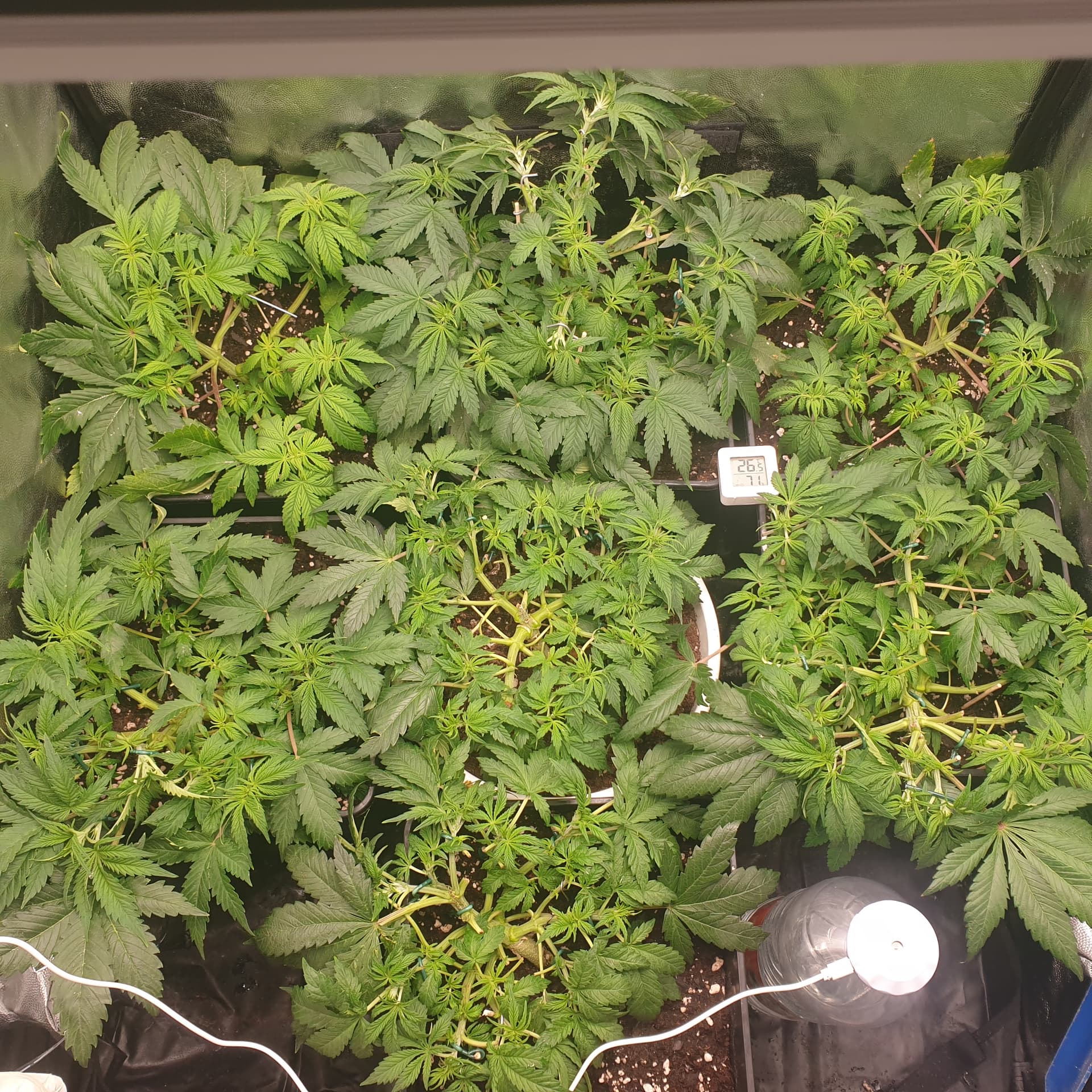
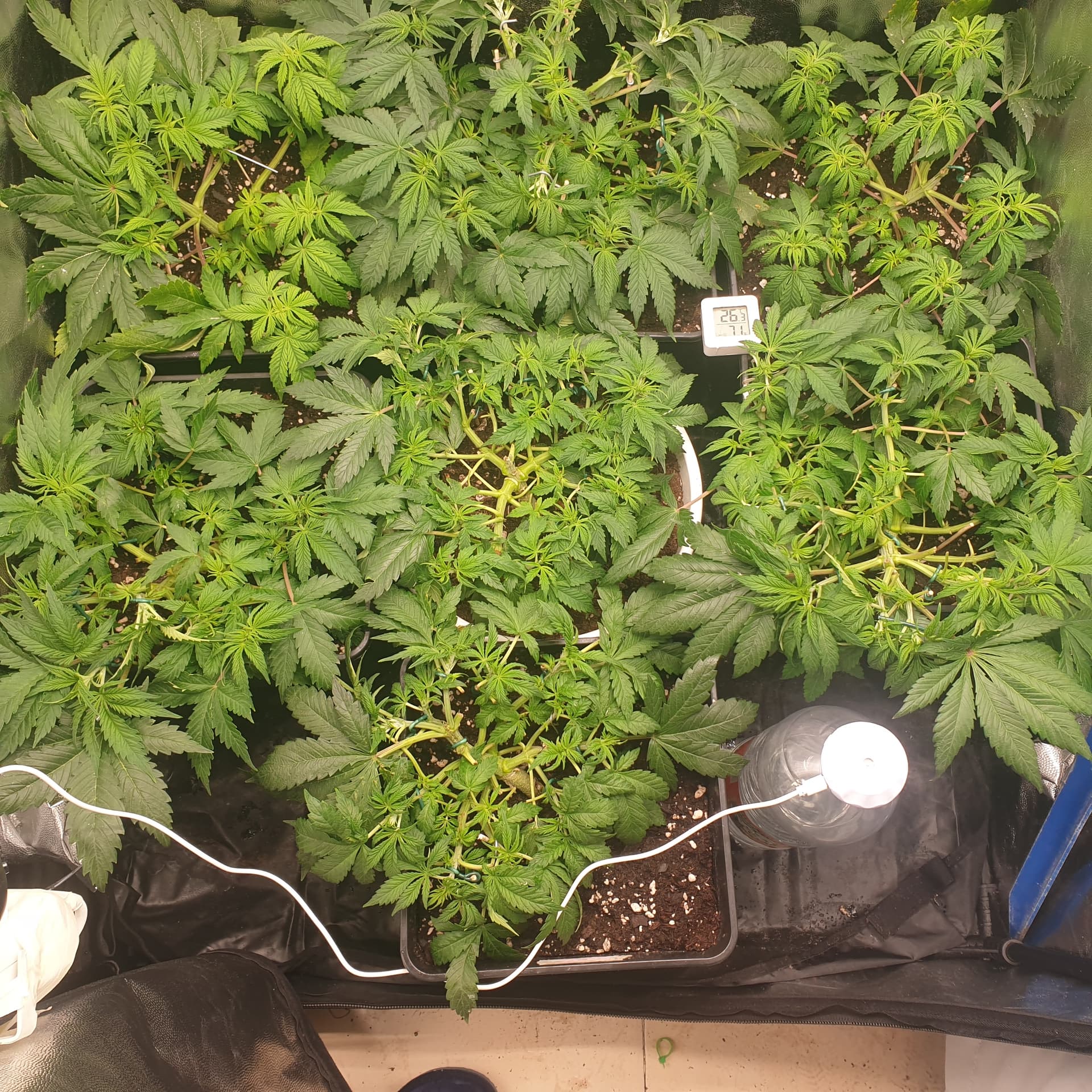
Since the last update on 12/15, I haven’t performed any more hormone treatments, I’m just uploading some photos to update the post.

6 Likes

You really put in the effort so they can’t run away anymore.

Very nice :smiling_face_with_three_hearts:

Good luck with it. It’s going to be great :star_struck:

4 Likes

I have them well tied so they don’t escape :stuck_out_tongue: hahaha good to know an expert predicts it will turn out well, thanks
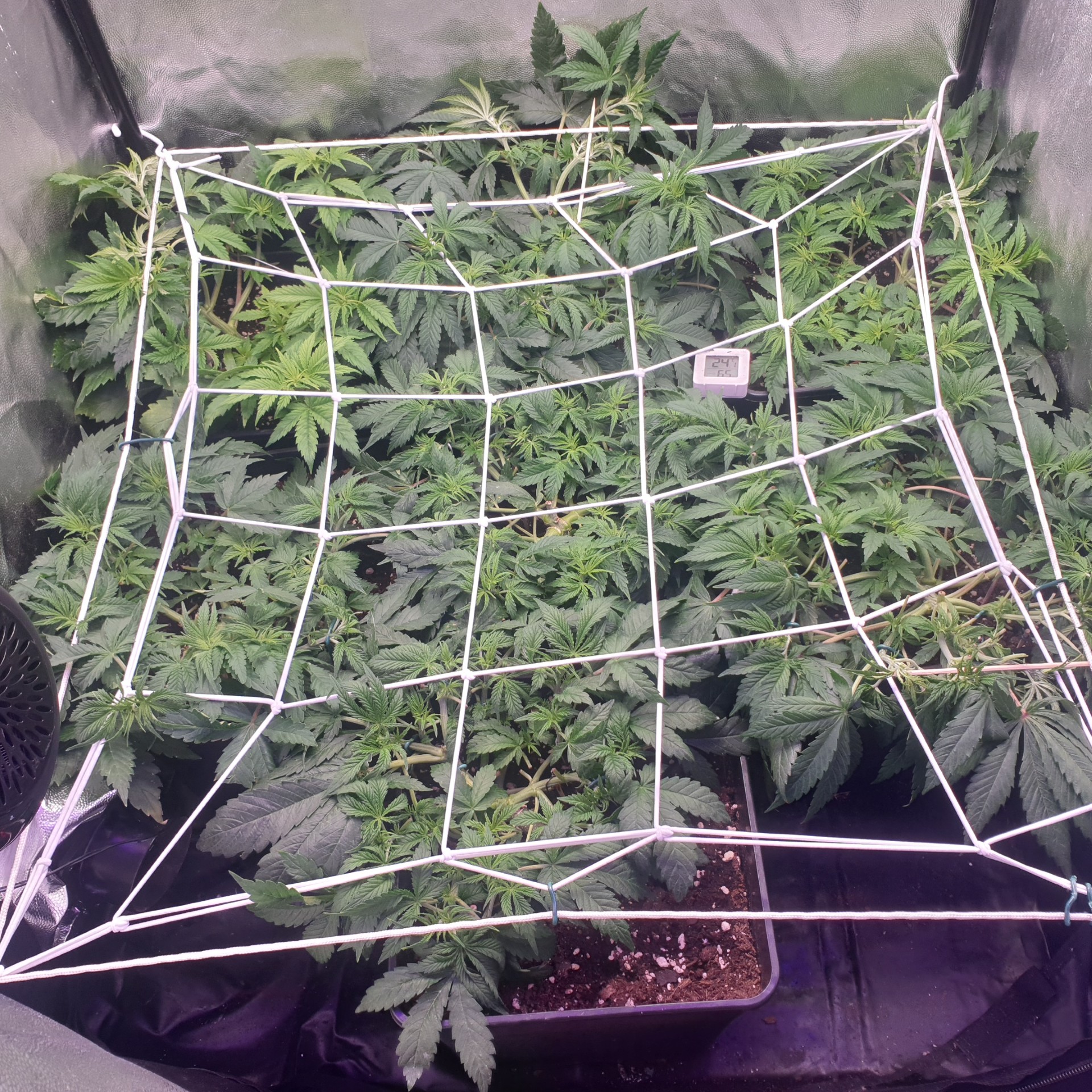
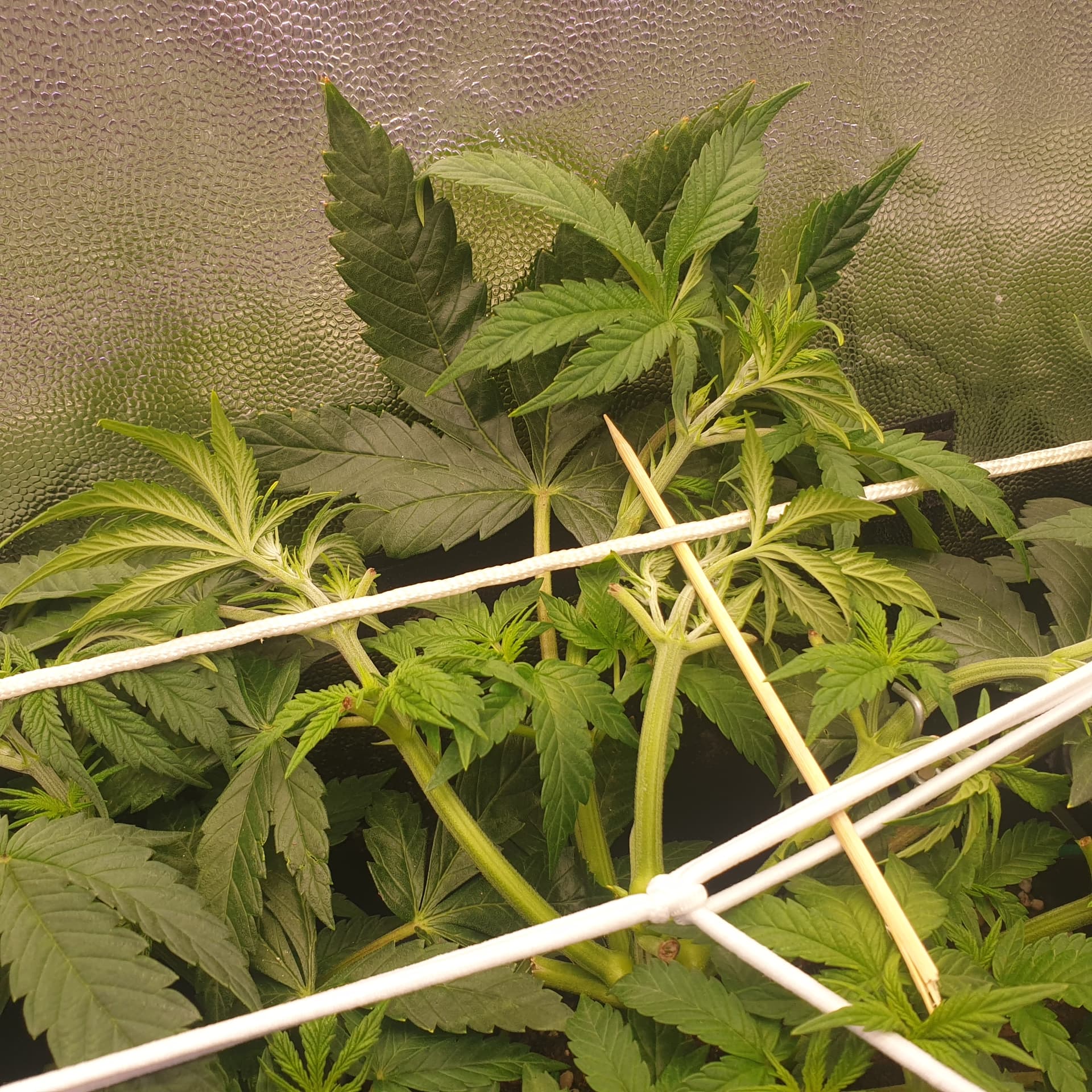
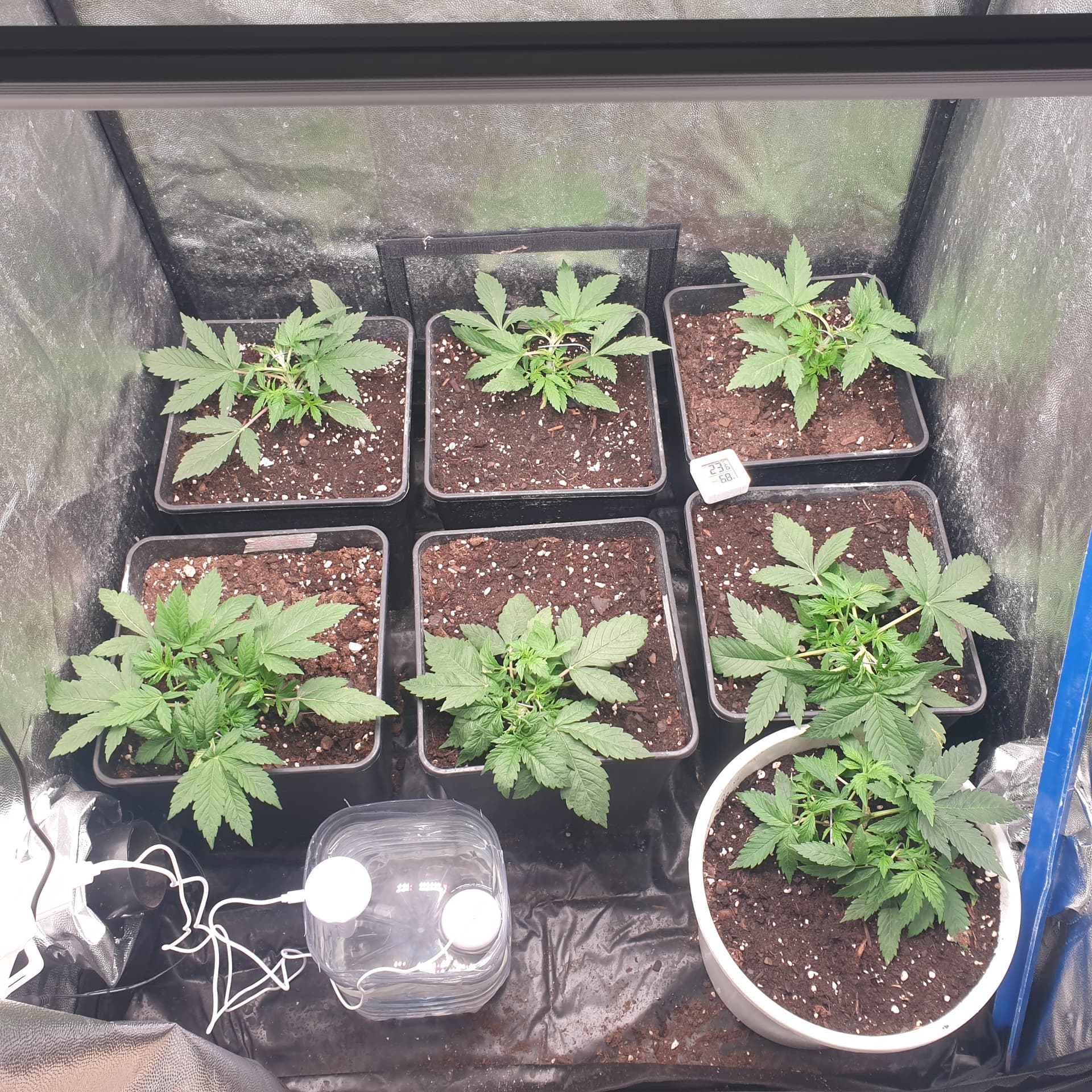
today I placed the SOG, I think I’ll have to start flowering next week if they keep growing this fast, but I would like the newest nodes to develop some height, I’m talking about the nodes of the secondary branches, because there are so many of them.

the control plants without treatment are growing faster, especially the apices, and I’m already running out of horizontal space, I mean, they always end up shading some other shoot.

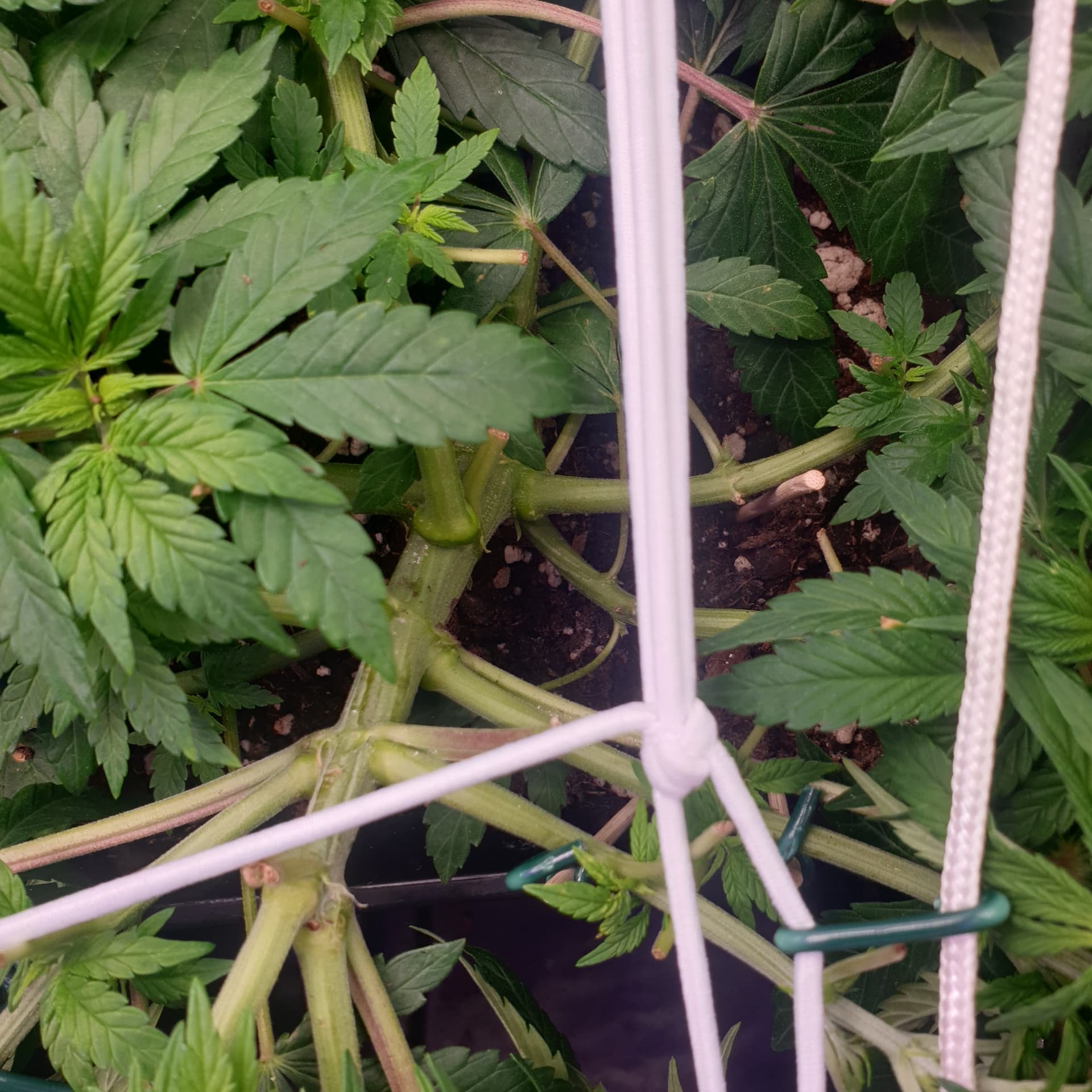
the hormone-treated plants have grown less apically, they have produced more lateral branches with little internodal space, and from these lateral shoots, new shoots have emerged, with almost no internodal space, at first glance, it seems that the plant grew a bit slower (very little) but enough to notice it, let’s say they react as if stressed (which I imagine is normal) until the plant adapts, then the extra branching and the reduction of internodal spaces start to show effects, for now, they have so many new shoots that they look small and weak, I’ll have to wait to see how they turn out, if they develop into good branches or remain weak.

this is a control Gorilla, number 1, if you notice, it has a normal internodal space.

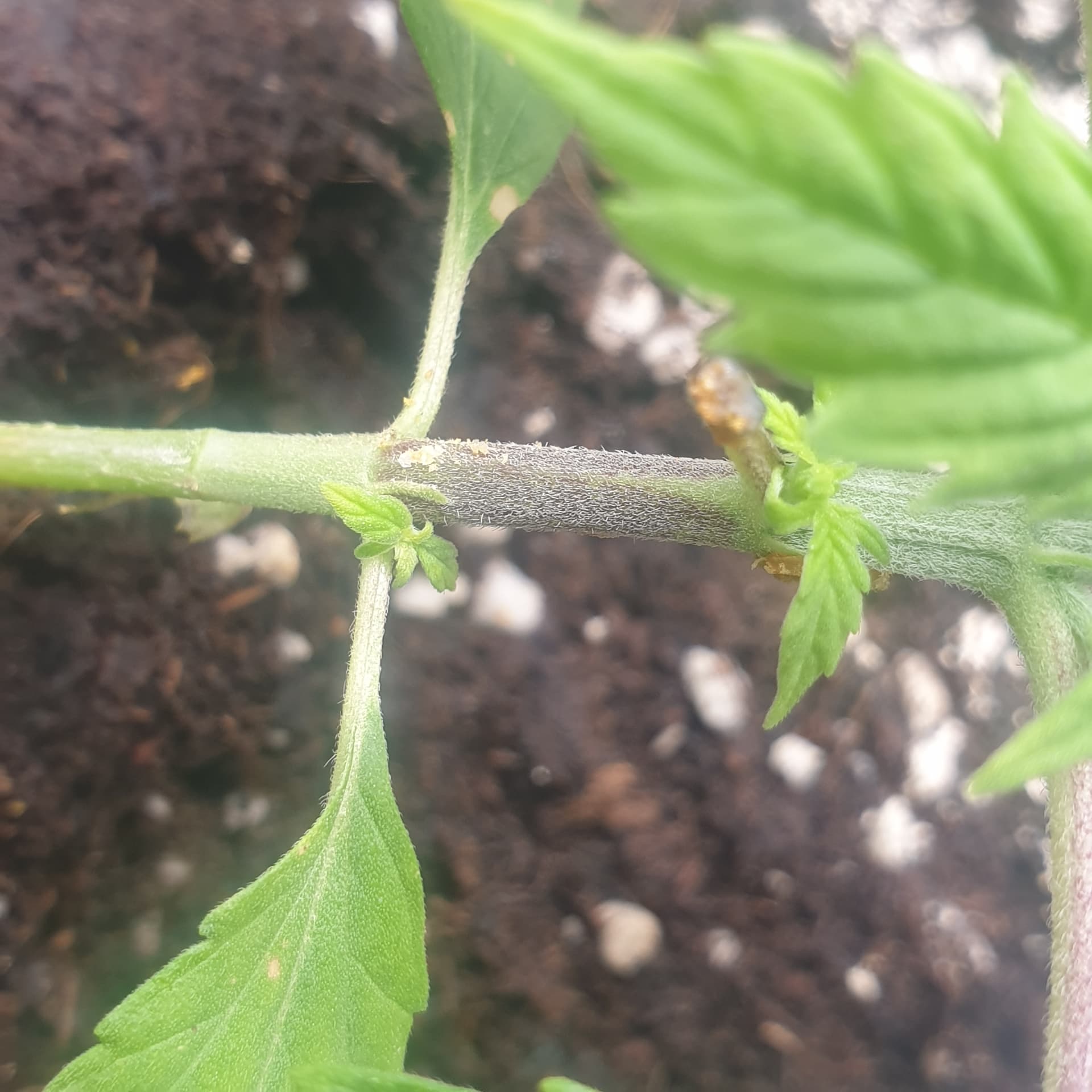
this is a treated Gorilla, the internodal space is about 2 cm
similarly, the test auto-flowering plant branched a lot, and I thought it would die.

5 Likes

Where do you get the hormone spray from?

4 Likes