Hola fellow smokers! Well, I believe what happened to your plants is due to micro-mites. Micro-mites (Phytonemus Pallidus or Steneotarsonemus Pallidus) are organisms almost invisible to the human eye (0.2 mm), practically translucent with yellowish tones, that cause a lot of damage to plants, and especially to cannabis, in both indoor and outdoor cultivation.
They tolerate light very poorly (they are photophobic) and dryness. They need high humidity, which is why they hide in the center of the plants, in the shoots, in newly emerged leaves, at the apex of the plant, and in the calyxes. Micro-mites move very quickly, making them very difficult to see, even with a pocket microscope. Adults live between 5 and 15 days and each female will lay between 30 and 75 eggs during this period.
Due to their very small size, mites can invade our cultivations in numerous ways… we can transport them unknowingly under our shoes, on our clothes, in our hair, with pets… micro-mites can also travel attached to other insects (whiteflies, etc.).
It is well known that some plants, such as grapevine, are very sensitive to mites, so special attention must be paid if cannabis is cultivated near vineyards.
What are the visible signs of a Micro-mite invasion?
Mites are micro-arachnids that pinch and suck cells, destroying them, just like their larger cousins, red spider mites, but the former do not weave webs. Their saliva transmits potent toxins into the plant’s system, causing it to become ill very quickly.
Visible symptoms in the vegetative cycle are:
- Decrease in plant development.
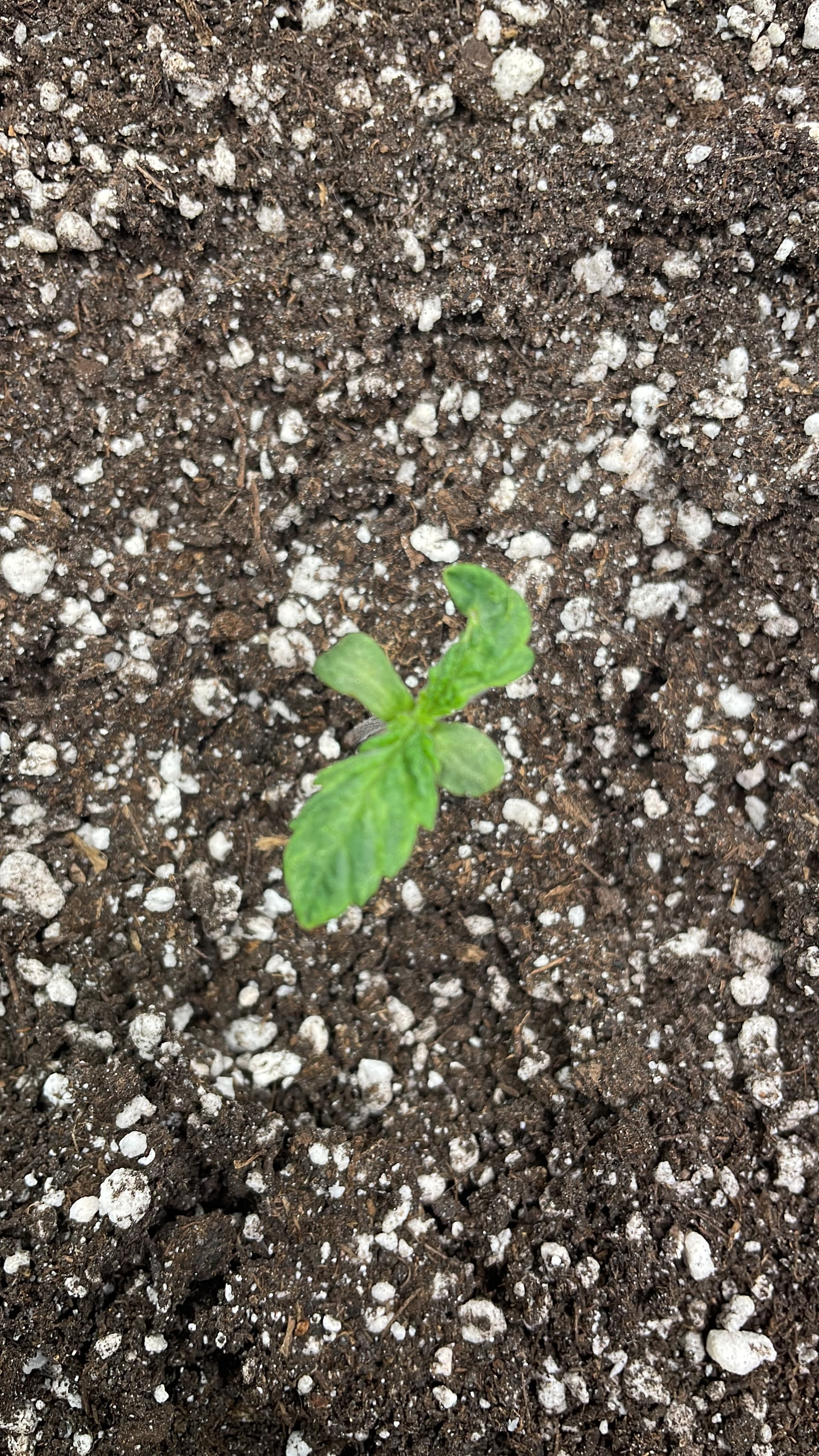
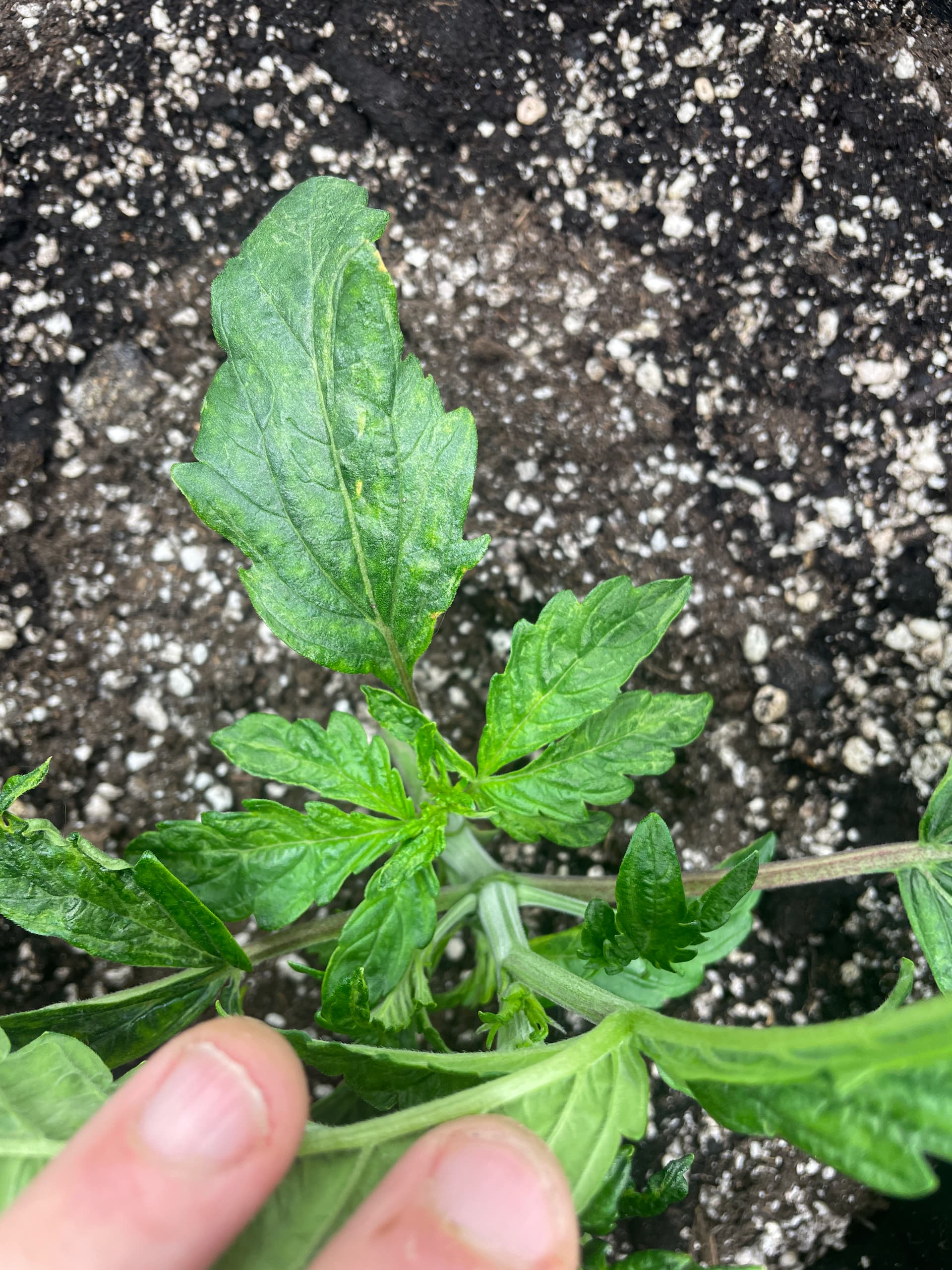
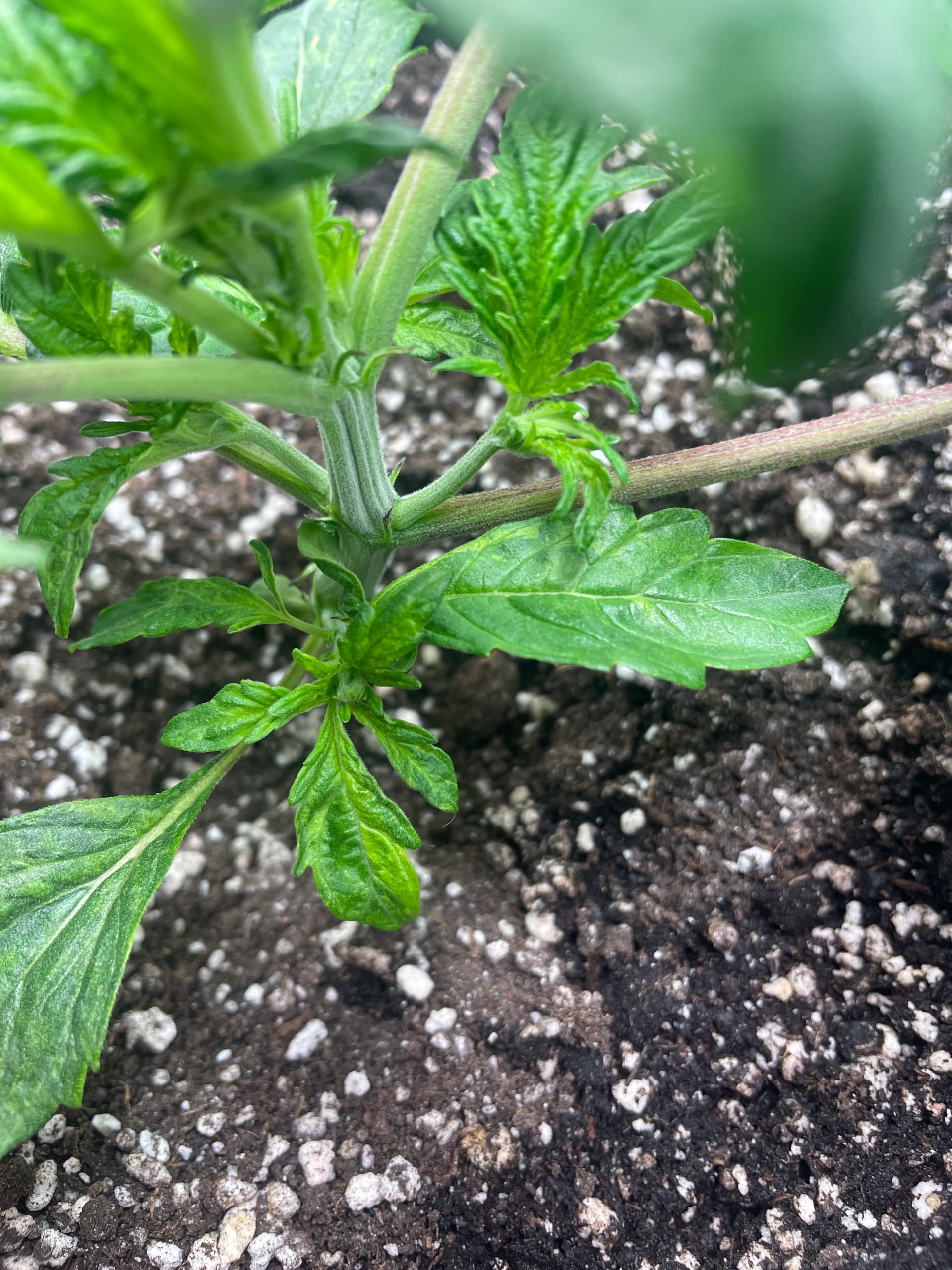
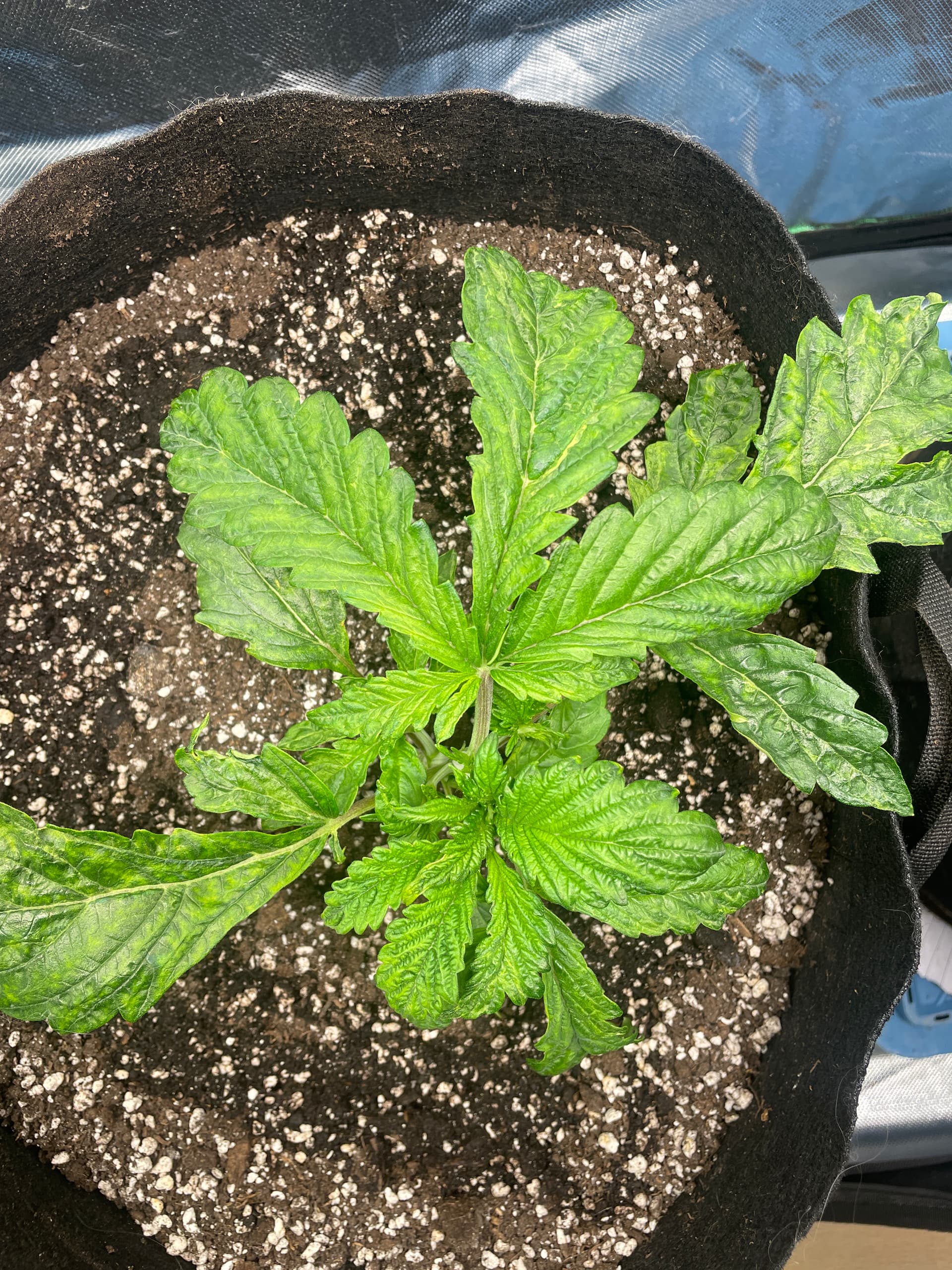
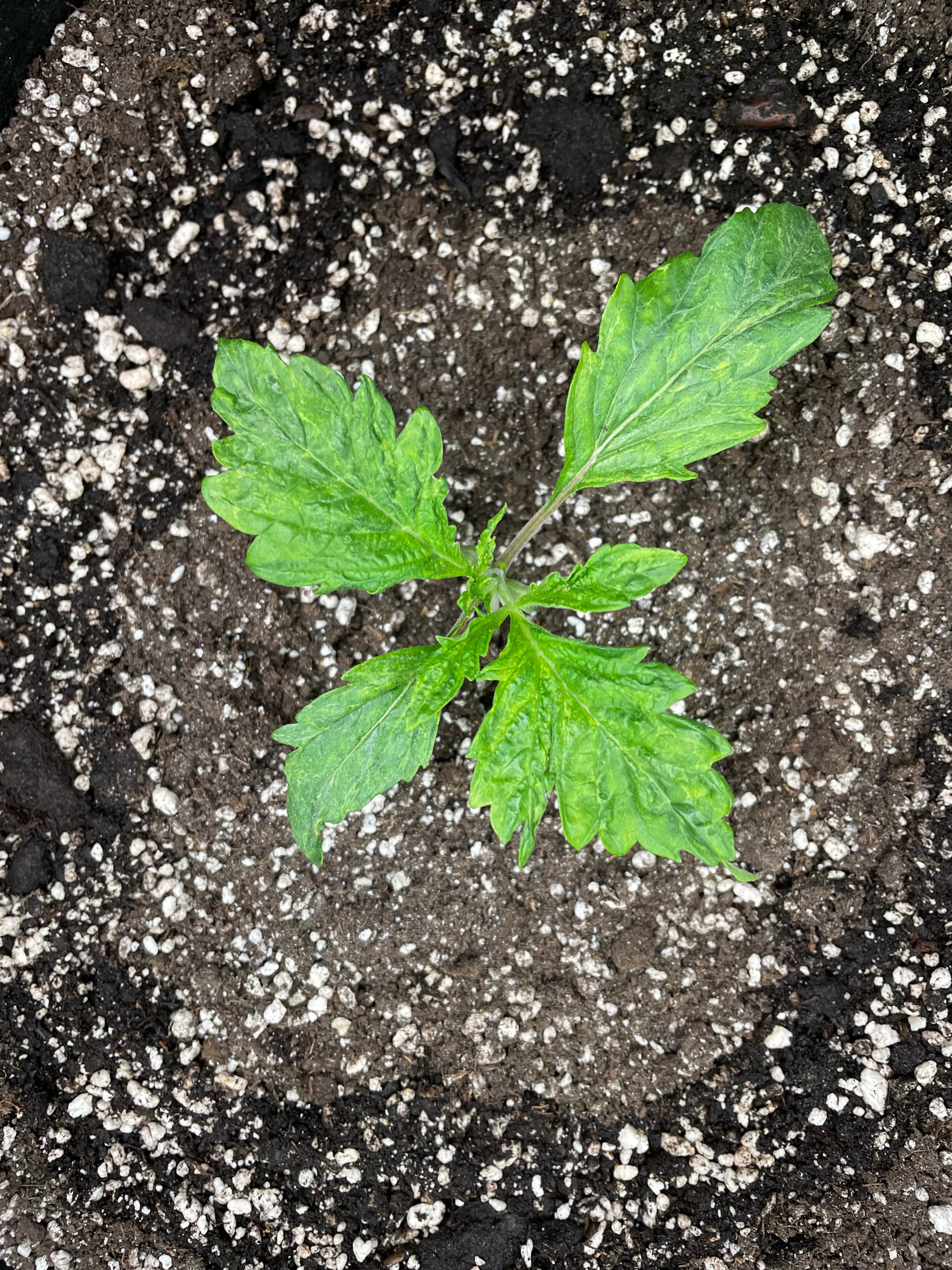
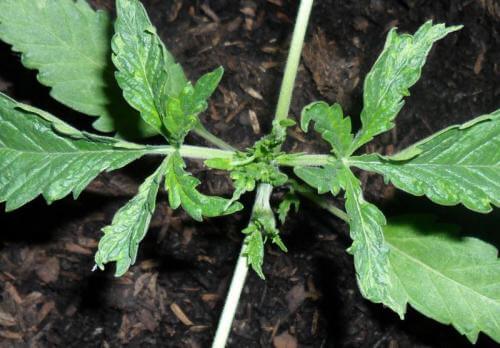
- Abnormal tissue development: deformed, stretched, wrinkled, wavy leaves…
- Brown coloration or necrosis, while the underside of the leaves becomes shiny.
- Plant dwarfism; new shoots are aborted, leaves turn yellow and fall.
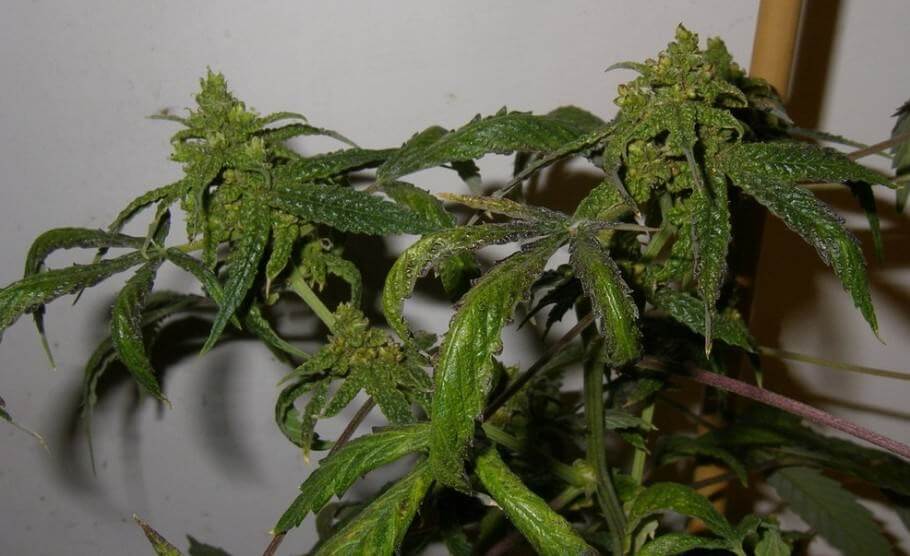
In the flowering cycle, the symptoms are as follows:
- Rapid oxidation of pistils (they turn brown).
- Cessation of plant and flower development.
- The amount of pistils and trichomes drastically decreases.
In the worst-case scenario, a micro-mite invasion will cause the death of the plants.
Plants do not all have the same pest resistance; micro-mites usually start with the most fragile plants, which is why it can happen that they only attack a part of the crop.
Leaf deformities are sometimes interpreted as genetic anomalies… but the culprits are micro-mites.
How to eliminate micro-mites?
Unfortunately, there are very few solutions to eliminate mini-mites.
The most efficient remedy is as follows:
- Eliminate all affected plants, including the growing medium.
- Thoroughly clean the entire cultivation space with bleach, without forgetting the pots and their saucers, the cultivation equipment, etc… Not a single egg or larva must remain anywhere!
Undertaking this solution can be difficult, but in the end, it is much faster to start over with good foundations than to fight endlessly against almost invisible enemies.
-
Introduce natural predators, meaning insects or other types of mites that eat micro-mites: Amblyseius Cucumeris, Amblyseius Fallacis, T.Reticulatus, Scolothrips Sexmaculatus… these predators can be purchased in stores specializing in biological control.
-
You can also try some natural products, such as a decoction of Garlic (100g/10L) or an infusion of Tansy (wormwood herb) (300g/10L)? Pyrethrum (chrysanthemum extract), also called Dalmatian Pellitory, can act favorably, but the solution must have a pH lower than 7 to work.
-
Chemical control with an acaricide product, available in garden centers, can work, but we do not recommend this type of product on plants intended for human consumption due to their high toxicity. If you choose this solution, you will have to treat the plants with caution (gloves, mask?) and use it only during the growth period. In addition, the active ingredients should be changed from time to time to prevent micro-mites from getting used to them and becoming more resistant.

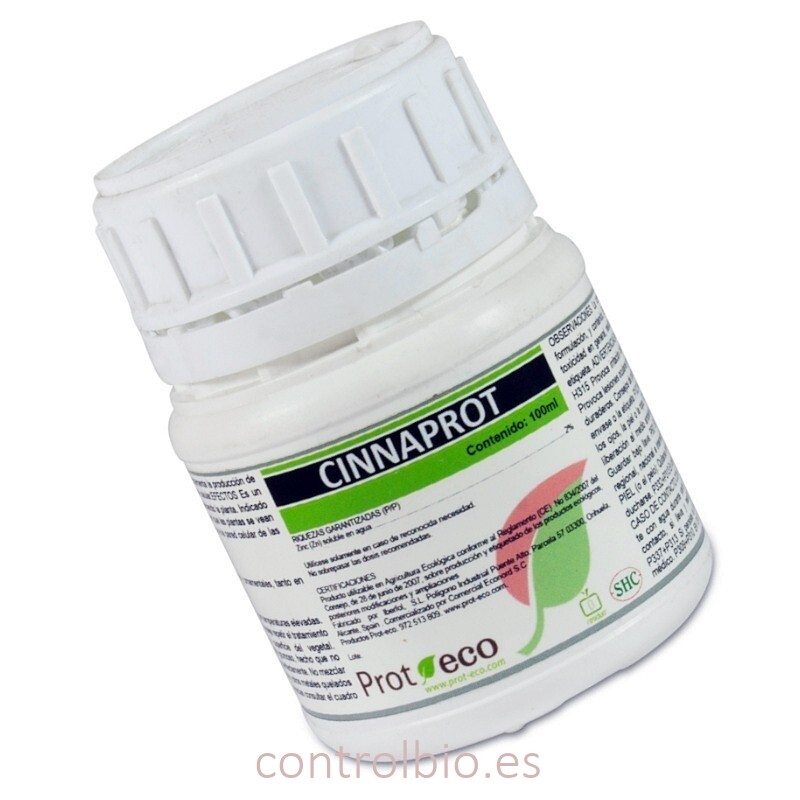
I recommend you use this product to spray your plants.
CINNAPROT by PROT-ECO is a substance, derived from natural extracts, with a powerful self-regenerative and antioxidant effect on the plant, besides its high efficacy against effects caused by red spider mites and micro-mites. It leaves no residues. Usable in organic cultivations.
Good smokes to all!
 Thank you very much, I hope my advice has been helpful to you. As you well said, that’s a world and something new is learned every day. Good smokes!